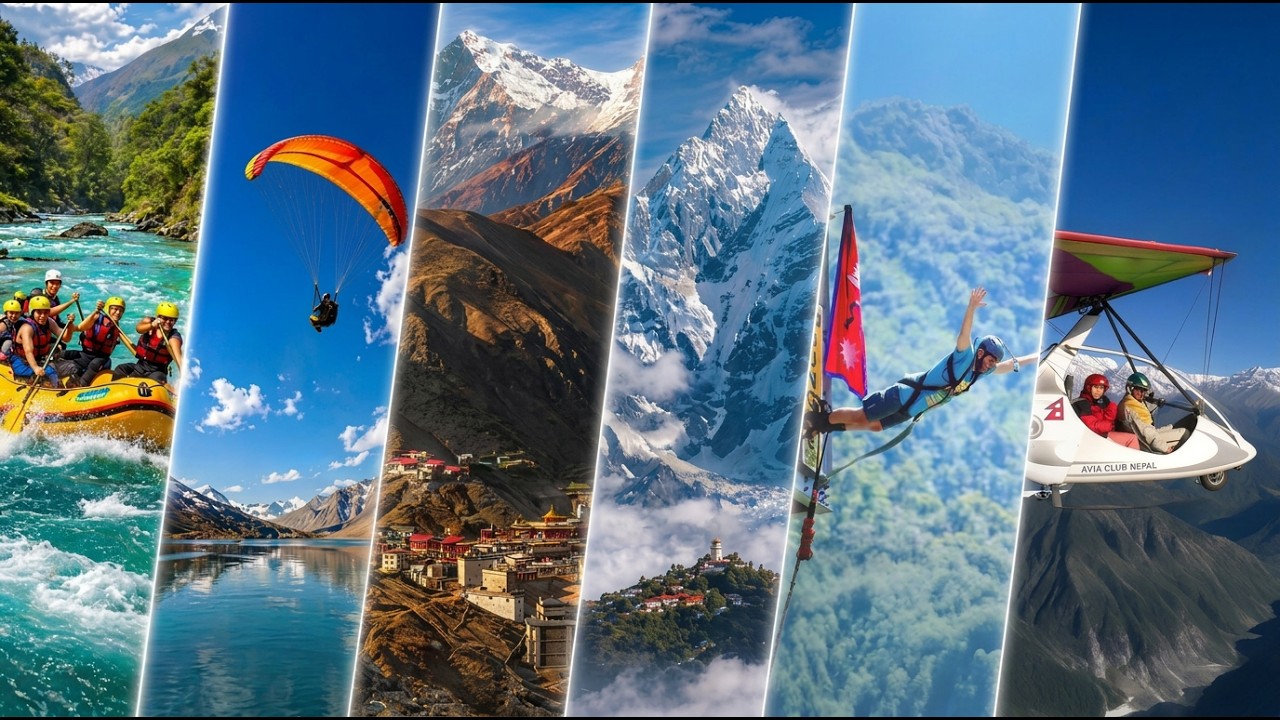
Everything you need to know about trekking to Annapurna Base Camp. Routes, itinerary, cost, best season, difficulty, permits, packing, and how to choose the right package.
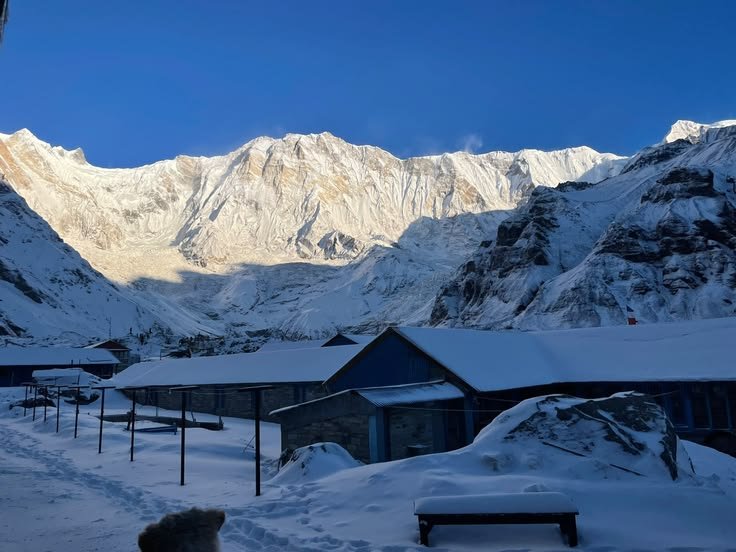
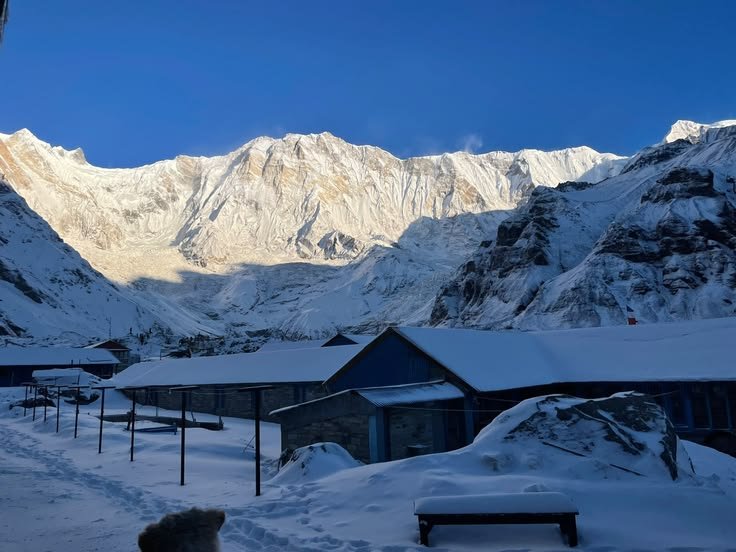
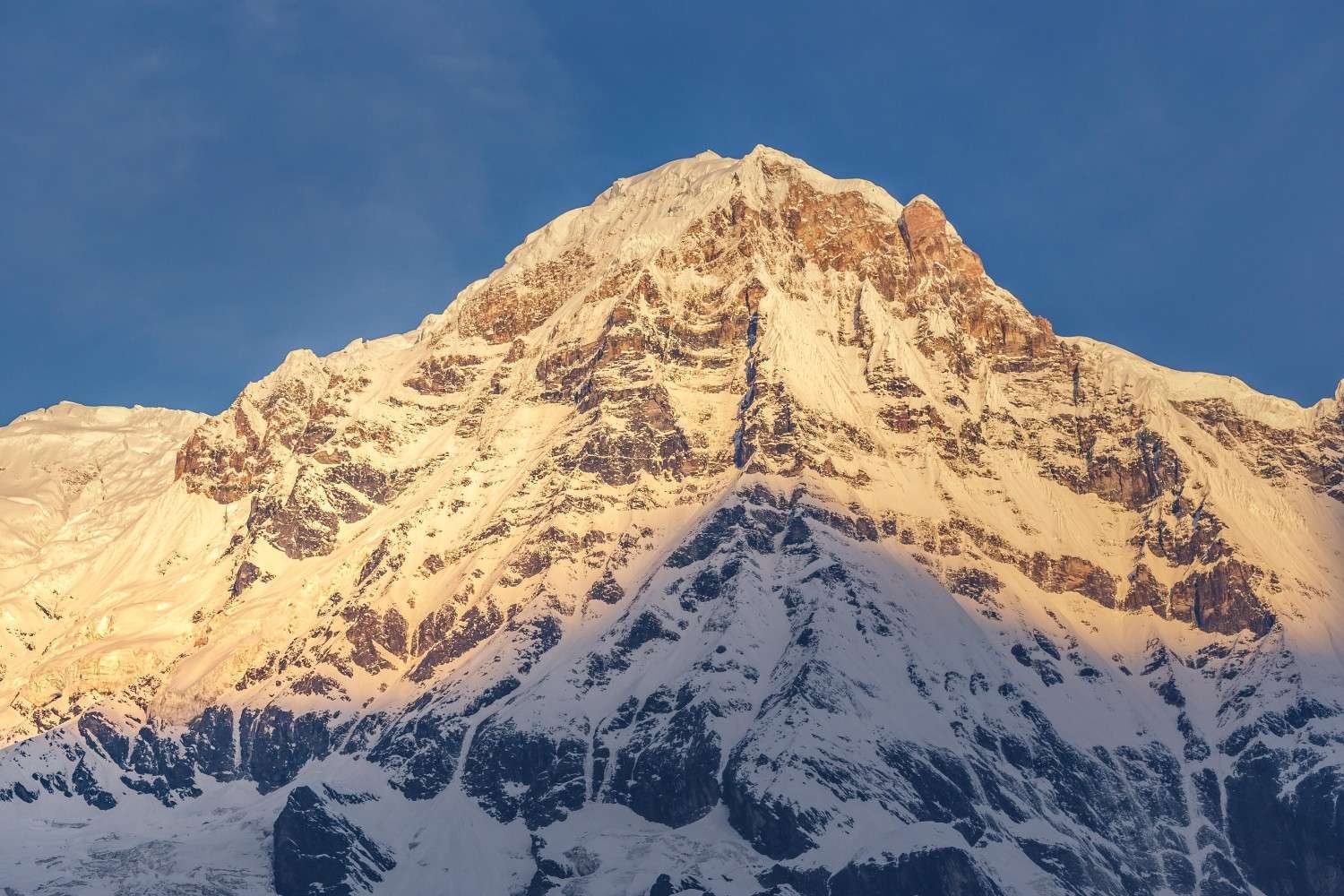
The Annapurna Base Camp Trek is one of the most iconic trekking experiences in the world. Every year, tens of thousands of trekkers from across the globe walk into the heart of the Annapurna Sanctuary, a natural amphitheatre surrounded by some of the highest peaks on Earth, including Annapurna I at 8,091 meters.
Known widely as the ABC trek, this journey takes you from the subtropical lowlands near Pokhara through terraced farmlands, dense rhododendron and bamboo forests, traditional Gurung villages, and finally into a dramatic glacial basin where mountains tower on every side.
Whether you are a first-time trekker or an experienced hiker looking for your next Himalayan adventure, this guide covers everything you need to plan, prepare for, and complete the Annapurna Base Camp trek.
Where Is Annapurna Base Camp?
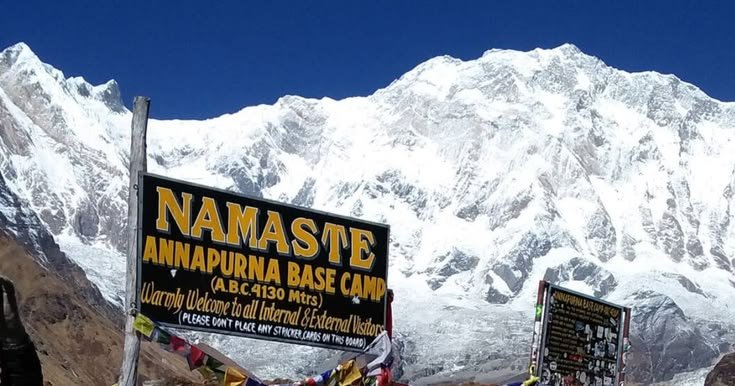
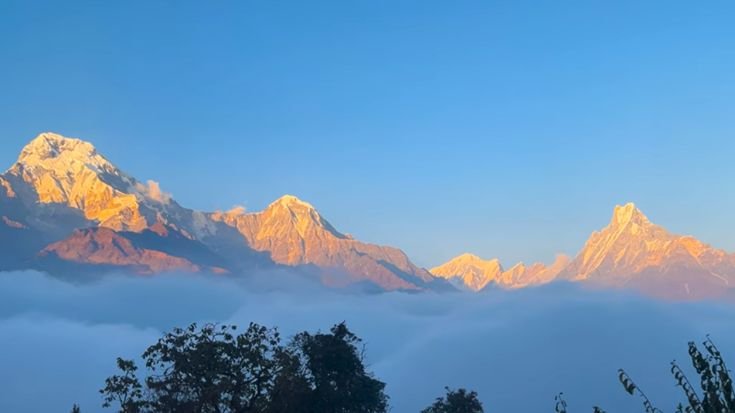
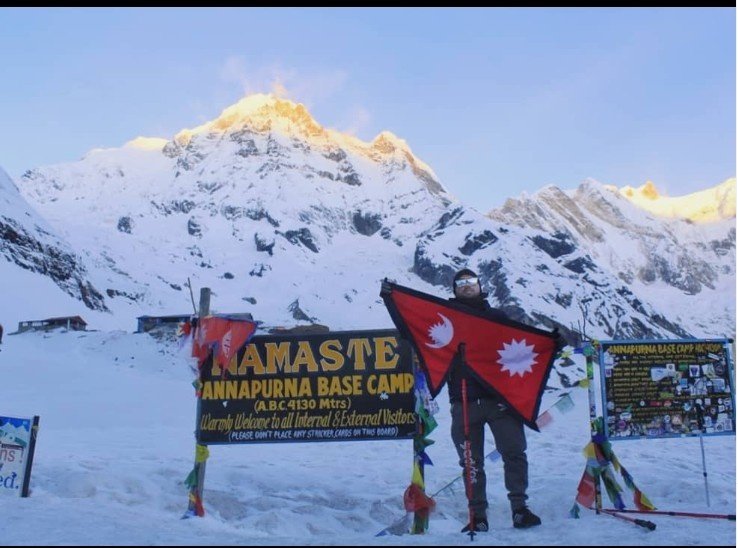
Annapurna Base Camp sits at 4,130 meters (13,550 feet) in the heart of the Annapurna Sanctuary, a high glacial basin in central Nepal. The sanctuary is a natural amphitheatre formed by a ring of peaks including Annapurna I (8,091m), Annapurna South (7,219m), Machhapuchhre or Fishtail (6,993m), Hiunchuli (6,441m), Gangapurna (7,455m), and several others.
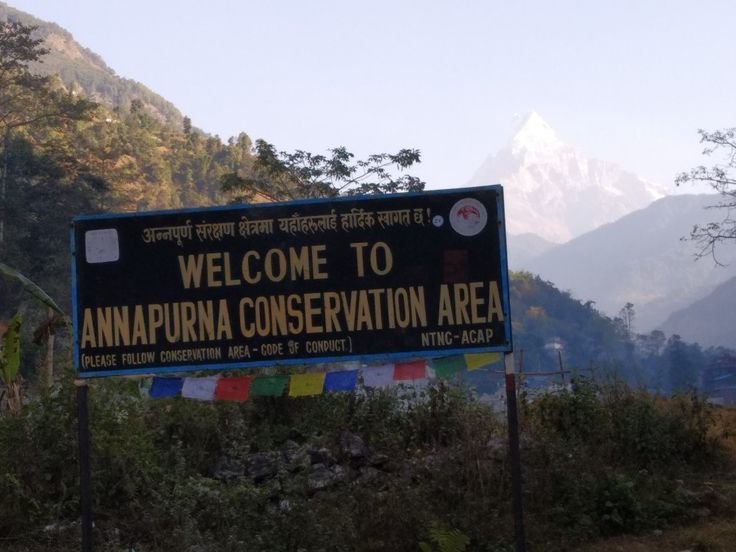
The base camp is located within the Annapurna Conservation Area, which covers over 7,600 square kilometers of protected land. The gateway city is Pokhara, Nepal's most visited city, located about 200 kilometers west of Kathmandu. Most trekkers fly or drive to Pokhara before heading to the trailhead.
Annapurna I, the mountain at the center of this trek, is the tenth highest mountain in the world and is widely considered one of the most dangerous peaks to climb. Standing at the base camp with a 360-degree panorama of these giants is the defining moment of the trek.
Why Is the ABC Trek So Popular?
The Annapurna Base Camp trek has earned its reputation as one of the best treks in Nepal for several reasons.
The scenery is extraordinary. The trek passes through multiple climate zones in a relatively short distance. You start in warm, green lowlands and end in a high-altitude glacial basin. The variety of landscapes you experience in under two weeks is unmatched by most treks in the region.
The difficulty is accessible. While the trek is physically demanding, it does not require any technical climbing skills or previous high-altitude experience. The maximum altitude of 4,130 meters is challenging but manageable for most people with moderate fitness and proper preparation.
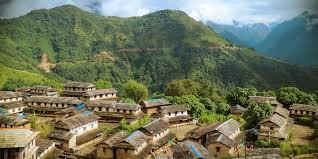
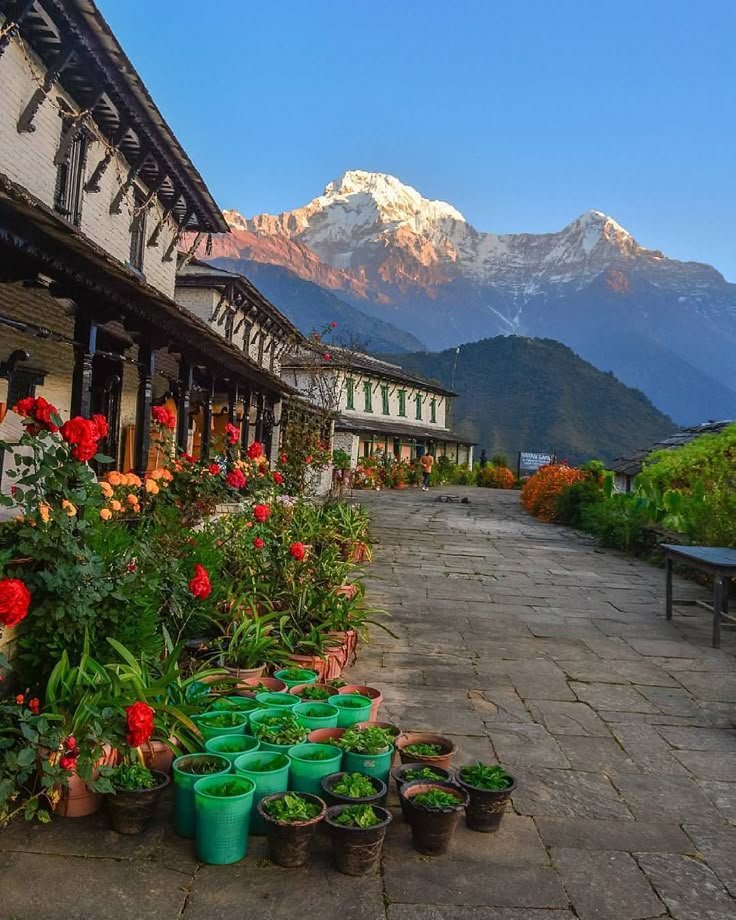
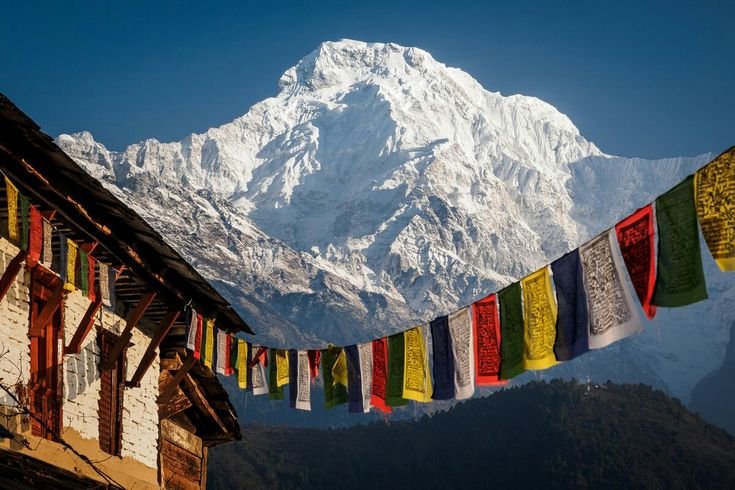
The cultural experience is rich. The trail passes through traditional Gurung villages like Ghandruk and Chhomrong, where centuries-old customs, stone houses, and warm hospitality offer a window into Himalayan life that goes far beyond mountain views.
The logistics are straightforward. The trail is well-established, tea houses provide accommodation and meals throughout, and permits are easy to arrange. You can trek independently or with a guide, though we strongly recommend having a local guide for safety, navigation, and a richer experience.
Routes to Annapurna Base Camp
There is no single fixed route to Annapurna Base Camp. Several trail variations exist, and your choice depends on how much time you have, what you want to see, and your starting point. Here are the main options.
The Classic Route via Ghandruk
This is the most popular and traditional route. It starts from Nayapul (a short drive from Pokhara), passes through the beautiful Gurung village of Ghandruk, climbs to Chhomrong, and then follows the Modi Khola river valley up through Bamboo, Deurali, Machhapuchhre Base Camp, and finally to Annapurna Base Camp.
The return typically descends via Jhinu Danda, where natural hot springs offer a welcome recovery soak. This route takes 10 to 13 days including travel from Pokhara.
This is the route we recommend for first-timers. It offers the best combination of cultural immersion (Ghandruk is one of the most photogenic villages in Nepal), gradual acclimatization, and scenic variety.
Via Landruk
An alternative to the Ghandruk approach, this route goes through the village of Landruk before connecting to the main trail at Chhomrong. It's slightly less crowded and offers different perspectives of Machhapuchhre and Annapurna South during the approach. The duration is similar to the classic route.
Via Jhinu Danda (Direct)
Some trekkers prefer to go directly via Jhinu Danda on the way up, saving Ghandruk for the descent. This is a slightly more direct approach but misses the cultural experience of entering through Ghandruk first.
Short Annapurna Base Camp Trek
For trekkers with limited time, a short ABC trek is possible in 7 to 9 days. These shorter itineraries typically skip some of the lower-altitude cultural stops and move at a faster pace. Some short versions start from Jhinu Danda or use jeep transfers to shorten the approach.
While these shorter routes get you to base camp, they offer less time for acclimatization and cultural exploration. If you have fewer than 10 days, this is still a viable option, but proper fitness preparation becomes even more important.
ABC Trek via Poon Hill
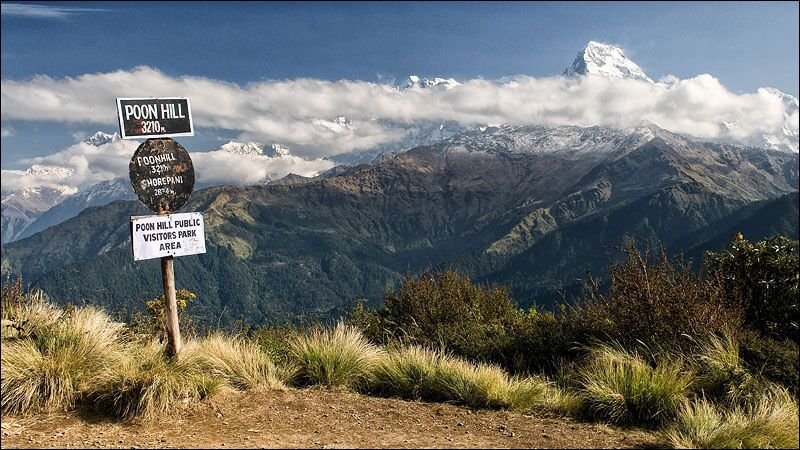
A popular combination route adds the Ghorepani Poon Hill trek as a prelude to the ABC trek. You trek to Poon Hill first (famous for its panoramic sunrise view), then continue to Chhomrong and up to Annapurna Base Camp. This extended route takes 14 to 16 days but gives you two of Nepal's most iconic trekking highlights in a single journey.
Annapurna Base Camp with Helicopter Return
For those who want to trek in but save time (or energy) on the way out, helicopter return options are available. You trek to Annapurna Base Camp via the standard route and then fly back to Pokhara by helicopter from the base camp or Machhapuchhre Base Camp. This option is especially popular with trekkers who want the full experience of walking in but don't want to retrace the same trail on the return. It also works well for those with knee concerns about the long descent.
ABC Trek Itinerary
The standard Annapurna Base Camp trek itinerary runs 10 to 13 days. Here is a typical day-by-day breakdown for the classic route.
Day 1: Arrival in Kathmandu. Arrive at Tribhuvan International Airport. Transfer to your hotel. Evening briefing with your trek leader.
Day 2: Drive or fly to Pokhara. A scenic 25-minute flight or 6 to 7-hour drive along the Trishuli River. Afternoon free to explore Pokhara's lakeside area.
Day 3: Drive to Nayapul, trek to Ghandruk (1,940m). Drive to the trailhead at Nayapul (about 1.5 hours). Trek through terraced fields and villages to Ghandruk, a traditional Gurung settlement with stunning views of Annapurna South and Machhapuchhre. Trek distance: approximately 10 km, 5 to 6 hours.
Day 4: Trek to Chhomrong (2,170m). Descend to Kimrong Khola and climb to Chhomrong, the last major village before the sanctuary. Panoramic views of Annapurna South and Machhapuchhre. Trek distance: approximately 9 km, 5 to 6 hours.
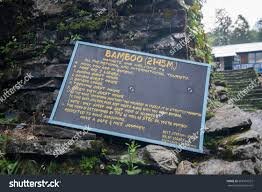
Day 5: Trek to Bamboo (2,310m). Descend stone steps to Chhomrong Khola, then trek through dense bamboo and rhododendron forests along a peaceful river valley. Trek distance: approximately 7 km, 4 to 5 hours.
Day 6: Trek to Deurali (3,230m). Ascend through lush forest, passing Dovan and Himalayan Hotel. The landscape gradually becomes more alpine. Trek distance: approximately 10 km, 5 to 6 hours.
Day 7: Trek to Annapurna Base Camp (4,130m). Trek via Machhapuchhre Base Camp (3,700m) into the Annapurna Sanctuary. Arrive at ABC for breathtaking 360-degree views. Trek distance: approximately 9 km, 5 to 6 hours.
Day 8: Trek from ABC to Bamboo (2,310m). Early sunrise over Annapurna I and surrounding peaks. After breakfast, descend through the same scenic trail. Trek distance: approximately 13 km, 6 to 7 hours.
Day 9: Trek to Jhinu Danda (1,780m). Trek back through Chhomrong and descend to Jhinu Danda. Relax in natural hot springs by the river. Trek distance: approximately 9 km, 5 to 6 hours.
Day 10: Trek to Nayapul, drive to Pokhara. Short trek to Nayapul, then drive back to Pokhara. Afternoon free for sightseeing or rest. Trek distance: approximately 5 km, 2 to 3 hours.
Day 11: Fly or drive to Kathmandu. Morning transfer. Afternoon free for sightseeing in Kathmandu.
Day 12: Departure. Transfer to the airport for your onward journey.
This itinerary can be adjusted based on your fitness, pace, and whether you add extensions like Poon Hill or a helicopter return.
Best Season for the ABC Trek
The Annapurna Base Camp trek is best done during two seasonal windows.
Autumn (October to November)
This is the peak trekking season and for good reason. The monsoon has ended, the air is clean, skies are clear, and mountain visibility is at its absolute best. Temperatures are comfortable at lower altitudes and cold but manageable at base camp. The trails are busy during this period, especially in October, but the conditions are ideal.
Daytime temperatures at base camp range from 5°C to 10°C, dropping to -5°C to -15°C at night. A good sleeping bag and layered clothing are essential.
Spring (March to May)
The second-best season. Temperatures are slightly warmer, and the rhododendron forests between 2,500m and 3,500m are in spectacular bloom, especially in March and April. Mountain visibility is generally good in the mornings, though afternoon clouds are more common than in autumn.
Spring sees fewer trekkers than autumn, making it a good choice if you prefer quieter trails.
Winter (December to February)
Winter trekking is possible but challenging. Lower-altitude sections are manageable, but above 3,000 meters, temperatures drop sharply and snow can cover the trail. The path to base camp may be blocked by snow in heavy winters. Fewer tea houses remain open during this period.
If you're experienced and well-equipped, winter offers solitude and dramatic snow-covered landscapes. But it's not recommended for first-timers.
Monsoon (June to September)
Not recommended. Heavy rain makes trails slippery and dangerous. Leeches are common at lower altitudes. Cloud cover blocks mountain views for most of the day. Landslides can disrupt trail sections.
ABC Trek Cost
The cost of the Annapurna Base Camp trek varies depending on your package type, group size, and the level of service you choose.
Budget and Group Packages
Standard group packages typically cost between $800 and $1,200 USD per person. This usually includes permits (ACAP and TIMS), a licensed guide, accommodation in tea houses, meals on the trail (breakfast, lunch, dinner), and ground transportation between Pokhara and the trailhead. Airport transfers and Kathmandu or Pokhara hotel stays may or may not be included depending on the package.
Private Packages
Private trek packages range from $1,200 to $2,500 USD per person. These include everything in the group package plus a dedicated guide (not shared with other trekkers), a porter for your luggage, more flexibility in pacing and itinerary adjustments, and often better tea house rooms booked in advance.
Comfort and Luxury Packages
Premium packages range from $2,500 to $5,000+ USD per person. These include upgraded lodges where available, private rooms throughout, better food options, helicopter return from base camp, and full concierge-level service from booking to completion.
What's Typically Not Included
Travel insurance, international flights, Nepal visa fees, personal gear and clothing, tips for guides and porters, hot showers and Wi-Fi charges on the trail, snacks, drinks, and personal expenses.
Factors That Affect Price
The number of trekking days (shorter treks cost less), group size (larger groups mean lower per-person costs), season (peak season may carry premium pricing), whether you add extensions like Poon Hill or helicopter return, and the level of accommodation and service you choose.
Permits Required
Every trekker heading to Annapurna Base Camp needs two permits.
ACAP (Annapurna Conservation Area Permit)
This costs approximately $30 USD for foreign nationals and $5 USD for SAARC nationals. The fee supports conservation and maintenance of the Annapurna Conservation Area.
TIMS (Trekkers' Information Management System) Card
This costs approximately $20 USD for trekkers going with an organized group and $40 USD for independent (FIT) trekkers. The TIMS card is a registration system used for trekker safety and tracking.
Both permits can be arranged in Kathmandu or Pokhara. If you book with a trekking company, they will handle all permit arrangements as part of your package.
Difficulty and Fitness Requirements
The ABC trek is rated as moderate in difficulty. No technical climbing or mountaineering skills are needed. The trail is well-maintained and clearly marked throughout.
The main physical challenges are long walking days (5 to 7 hours), significant elevation gain and loss each day, thousands of stone steps (especially between Chhomrong and the sanctuary), and sleeping at altitudes above 3,000 meters where oxygen levels are lower.
Who Can Do This Trek?
The ABC trek is suitable for most healthy adults aged 16 to 65 with moderate fitness. You should be comfortable walking 5 to 7 hours per day on uneven terrain. Regular cardio exercise (running, cycling, swimming, or hiking) for 4 to 6 weeks before the trek is recommended. Previous trekking experience is helpful but not required.
Who Should Be Cautious?
Trekkers with heart conditions, severe respiratory issues, or recent surgeries should consult a doctor before attempting the trek. Those with serious knee problems should be aware that the stone staircase sections are demanding on the joints. Trekking poles are strongly recommended.
Altitude Sickness
The maximum altitude is 4,130 meters, which is high enough for altitude sickness to be a factor. Symptoms include headache, nausea, dizziness, and fatigue. The standard itinerary is designed with proper acclimatization in mind, but every person responds differently to altitude.
Key prevention measures: ascend gradually (the itinerary handles this), drink 3 to 4 liters of water daily, avoid alcohol above 3,000 meters, eat carbohydrate-rich meals, and never ignore worsening symptoms. Descend immediately if symptoms do not improve with rest.
Many trekkers carry Diamox (Acetazolamide) as a preventive aid. Consult your doctor before taking it.
What to Pack
The ABC trek uses tea house accommodation throughout, so you don't need to carry tents or cooking equipment. If you hire a porter, your main bag is carried for you, and you only need a daypack for essentials on the trail.
Clothing
A moisture-wicking base layer (top and bottom), an insulating mid-layer (fleece or lightweight down jacket), a waterproof and windproof outer shell, trekking pants (convertible recommended), thermal underwear for cold nights at altitude, a warm beanie or hat, sun hat, gloves (lightweight and insulated pair), a neck gaiter or buff, and enough socks for the duration (merino wool recommended).
Footwear
Waterproof trekking boots with ankle support (broken in before the trek), lightweight sandals or flip-flops for evenings at tea houses, and gaiters for muddy or snowy conditions.
Gear
A sleeping bag rated to at least -10°C (essential even though tea houses provide blankets), a 30 to 40-liter daypack (or 50 to 60-liter if carrying your own gear), trekking poles (two, adjustable), a headlamp with spare batteries, a refillable water bottle (1 liter minimum), water purification tablets or a UV purifier, and a dry bag or waterproof stuff sacks for electronics and documents.
Toiletries and Health
Sunscreen SPF 50+, lip balm with SPF, UV-protection sunglasses, a basic first-aid kit (plasters, antiseptic, blister treatment, painkillers), altitude sickness medication (Diamox, consult your doctor), anti-diarrheal tablets, hand sanitizer, wet wipes, personal medications, and a quick-dry towel.
Documents and Money
Passport with valid Nepal visa, printed copies of permits (guide will carry originals), travel insurance documents with emergency helicopter evacuation coverage, enough Nepali rupees in small denominations (ATMs are not available on the trail), and a power bank for charging devices (charging on the trail costs extra).
Tea Houses and Accommodation
The entire ABC trek route is serviced by tea houses, small family-run lodges that provide a room and meals. There are no camping sections unless you specifically choose a camping-style trek.
What to Expect
At lower altitudes (below 2,500m), tea houses are relatively comfortable. Expect private twin rooms with a bed, mattress, pillow, and blankets. Some have attached bathrooms. Hot showers are usually available (solar or gas heated). Menus are extensive with a variety of Nepali and Western-style dishes.
At mid-altitudes (2,500m to 3,500m), rooms become more basic. Walls are thinner, shared bathrooms are common, and hot water is less reliable. The menu narrows slightly.
At higher altitudes (above 3,500m), facilities are basic. Rooms are small with thin walls. Toilets are shared (often squat style). Hot showers may not be available or cost extra. Menus are limited to simpler dishes. Charging devices costs NPR 200 to 300 per hour.
Food
Dal bhat (lentil soup with rice and sides) is the staple and is available at every tea house. Other common options include momos, noodle soup, fried rice, eggs, pancakes, porridge, and pasta. Prices increase with altitude because all supplies are carried up by porters or mules.
Stick to freshly cooked food. Avoid raw salads and unpeeled fruit at higher altitudes. Drink boiled water, treated water, or bottled water (though refilling with purified water is more environmentally responsible).
The Annapurna Sanctuary Trek
The Annapurna Sanctuary Trek is essentially the same route as the ABC trek but is sometimes marketed under a different name. Some operators use "Annapurna Sanctuary Trek" to describe a slightly shorter or differently paced version of the ABC trek, often emphasizing the spiritual and natural significance of entering the sanctuary rather than just reaching the base camp.
The Annapurna Sanctuary is the name for the high glacial basin that contains the base camp. It is considered sacred by the local Gurung community, and historically, hunting and animal slaughter were forbidden within its boundaries.
If you see "Annapurna Sanctuary Trek" listed as a separate package, check the itinerary carefully. In most cases, it covers the same trail and destination as the ABC trek, sometimes with minor route variations.
Combining ABC with Other Treks
One of the advantages of the Annapurna Base Camp region is that several shorter treks can be combined with the ABC trek for a more comprehensive experience.
ABC and Poon Hill Combo
The most popular combination. Trek to Ghorepani and Poon Hill first (famous for its panoramic sunrise over the Annapurna and Dhaulagiri ranges), then continue to Chhomrong and up to ABC. This adds 3 to 4 days to the standard itinerary but gives you two of Nepal's most iconic viewpoints in one trip.
ABC and Mardi Himal Combo
A newer combination that pairs the ABC trek with the Mardi Himal ridge trek. Mardi Himal offers close-up views of Machhapuchhre and the Annapurna range from a completely different angle. This is a great option for trekkers who want variety and can handle a longer trek of 16 to 18 days.
ABC with Helicopter Return
As mentioned earlier, you can trek in to base camp and fly out by helicopter. This saves 2 to 3 days of retracing the same trail and gives you a spectacular aerial view of the sanctuary on the way out.
Safety on the Trail
The ABC trek is generally very safe. The trail is well-established, tea houses are plentiful, and the local communities are welcoming and experienced in hosting trekkers.
However, the mountains always demand respect. Here are the key safety considerations.
Weather
Weather can change rapidly at altitude. Clear mornings can turn into afternoon cloud cover, rain, or snow. Always carry rain gear and warm layers regardless of the forecast. Your guide will monitor weather conditions and adjust plans if needed.
Trail Conditions
The trail is well-maintained but can be muddy or slippery after rain, especially during the transition between monsoon and autumn seasons. Some sections involve narrow paths along steep hillsides. Trekking poles significantly improve stability on these sections.
Avalanche Risk
The Annapurna Sanctuary is surrounded by steep, snow-covered slopes. Avalanche risk exists, particularly between Deurali and base camp during winter and early spring. Your guide will assess conditions before proceeding through these sections.
Emergency Evacuation
In case of serious altitude sickness, injury, or medical emergency, helicopter evacuation is available from most points along the trail. This is why travel insurance with emergency helicopter coverage is mandatory, not optional. Evacuation costs can exceed $5,000 USD without insurance.
Communication
Mobile phone coverage (Ncell and NTC networks) is available at most villages and tea houses below 3,500 meters. Coverage becomes sporadic above that. Wi-Fi is available at many tea houses for a fee. Satellite phones are carried by some guides as a backup.
Guides and Porters
Do You Need a Guide?
Independent trekking is permitted in the Annapurna Conservation Area. However, we strongly recommend trekking with a licensed local guide. A good guide manages logistics, handles permit checks, communicates with tea houses (reserving rooms in peak season is important), monitors your health for altitude sickness symptoms, adjusts the itinerary based on weather and trail conditions, and shares knowledge about the culture, geography, and history of each place you walk through.
Do You Need a Porter?
A porter carries your main bag (up to 15 to 20 kg), leaving you to walk with just a daypack. This makes a significant difference in comfort and energy conservation, especially on the steep stone staircase sections. Most trekkers who hire a porter report that it transformed their experience.
You can hire a guide and porter separately, or hire a guide-porter (one person who does both) for a lower cost.
Environmental Responsibility
The Annapurna Conservation Area faces growing pressure from tourism. As a trekker, you can help protect the environment.
Carry out all your trash. Do not leave wrappers, bottles, or any waste on the trail. Use refillable water bottles with purification instead of buying plastic bottles. Stay on marked trails to avoid erosion and damage to vegetation. Respect wildlife and do not disturb animals. Support tea houses that practice responsible waste management. Be mindful of water usage, especially at higher altitudes where water sources are limited.
Training and Preparation
Preparing your body for the ABC trek makes the difference between struggling through the experience and enjoying it. Here's a practical training plan.
6 to 8 Weeks Before
Start with regular cardiovascular exercise. Running, cycling, swimming, or brisk walking for 30 to 45 minutes, four to five times a week. The goal is to build your aerobic base so sustained walking doesn't exhaust you.
Add stair climbing to your routine. The ABC trek involves thousands of stone steps, particularly the climb from Chhomrong into the sanctuary and the descent to Jhinu Danda. Climbing stairs with a loaded backpack (8 to 10 kg) for 20 to 30 minutes is one of the best ways to simulate trail conditions.
4 to 6 Weeks Before
Increase the duration of your cardio sessions to 60 to 90 minutes. Start doing weekend hikes on hilly terrain if possible. Walk on uneven ground to prepare your ankles and knees.
Practice walking with your actual trekking boots to break them in. Blisters from new boots are one of the most common and avoidable problems on the trail.
2 to 4 Weeks Before
Do at least two long walks (3 to 5 hours) on consecutive days to simulate back-to-back trekking days. Include elevation gain if possible. Walk with your daypack loaded to the weight you'll carry on the trail.
Stretch regularly, focusing on your calves, quads, hamstrings, and hip flexors. Tight muscles combined with long descents are a recipe for knee pain.
The Week Before
Taper your training. Do light walks and stretching. Focus on rest, hydration, and nutrition. Don't try to cram in last-minute fitness work. Your body needs time to recover before the trek begins.
What to Expect Day by Day
Beyond the basic itinerary, here's what the experience actually feels like.
The First Two Days (Pokhara to Ghandruk)
The trek starts gently. The drive from Pokhara to Nayapul is about 1.5 hours on a winding road. From Nayapul, you walk through lowland farmlands with views of terraced rice paddies and subtropical vegetation. The climb to Ghandruk is steady but not extreme. By late afternoon, you arrive in one of Nepal's most beautiful villages, with Annapurna South and Machhapuchhre framed perfectly behind stone houses.
This is the adjustment phase. Your body is getting used to walking, your pack, and the rhythm of tea house life.
The Middle Days (Chhomrong to Deurali)
This is where the trek gets real. The descent from Chhomrong to the river and the climb back up the other side is one of the toughest sections of the entire trek. Thousands of stone steps test your knees and your patience.
Once past Chhomrong, the trail enters the Modi Khola valley. The landscape changes dramatically. Bamboo forests, dense rhododendron groves, and narrowing valley walls create a tunnel-like effect. You feel the sanctuary getting closer.
By the time you reach Deurali at 3,230 meters, the air is noticeably thinner. Temperatures drop in the evening. This is where you start wearing your down jacket at dinner and sleeping in your sleeping bag.
The Summit Day (Deurali to ABC)
You pass through Machhapuchhre Base Camp first, where the sacred Fishtail mountain dominates the skyline. The final push to ABC is a gradual climb across a rocky moraine. As you walk, the amphitheatre reveals itself piece by piece. First Annapurna South, then Hiunchuli, then Gangapurna, and finally the massive south face of Annapurna I.
Arriving at ABC is emotional. The silence, the scale, and the 360-degree wall of peaks create a moment that most trekkers describe as the highlight of their trip.
The sunrise the next morning is unmissable. Set your alarm for 5 AM. The first light hits Annapurna I and slowly spreads across the entire sanctuary. No photograph does it justice.
The Return (ABC to Pokhara)
The descent is faster but harder on the body. Your knees take the brunt of thousands of downhill steps. Trekking poles are essential. The stop at Jhinu Danda's natural hot springs is a highlight of the return. Soaking tired muscles in warm mineral water beside a rushing river is the perfect way to end the trekking portion.
The drive back to Pokhara feels surreal after days of walking. Lakeside restaurants, hot showers, and cold drinks hit differently when you've earned them on the trail.
Photography Tips
The ABC trek offers world-class photography opportunities. Here are some practical tips.
Golden Hours
The best light is in the first 30 minutes after sunrise and the last 30 minutes before sunset. At ABC, the sunrise over Annapurna I is the single best photo opportunity. Position yourself outside your tea house by 5:15 AM with your camera ready.
Key Shots
The Machhapuchhre reflection at Ghandruk, the stone staircase descent from Chhomrong (with mountains in the background), the bamboo forest tunnel above Bamboo village, the first glimpse of the sanctuary from Machhapuchhre Base Camp, the 360-degree panorama at ABC, and the sunrise colour change on Annapurna I's south face.
Gear
A smartphone with a good camera is sufficient for most trekkers. If you carry a dedicated camera, keep it lightweight. A wide-angle lens (16 to 35mm equivalent) is the most useful focal length for mountain landscapes. Carry spare batteries as cold temperatures drain them faster. Keep your camera in an inside jacket pocket to keep the battery warm.
Protecting Your Gear
Dust, moisture, and cold are the three enemies. Use a waterproof camera bag or dry bag. Wipe lenses regularly. Allow your camera to adjust to temperature changes gradually when moving between cold outdoor air and warm tea house interiors.
Frequently Asked Questions
How hard is the Annapurna Base Camp trek?
The ABC trek is rated moderate. It requires 5 to 7 hours of walking per day on uneven terrain with significant elevation gain and loss. No technical climbing skills are needed. Moderate cardiovascular fitness and 4 to 6 weeks of preparation are recommended.
Can beginners do the ABC trek?
Yes. The ABC trek is one of the best introductory high-altitude treks in Nepal. First-timers should trek with a guide, carry appropriate gear, and follow a standard (not shortened) itinerary to allow proper acclimatization.
How much does the ABC trek cost?
Standard group packages range from $800 to $1,200 USD. Private packages range from $1,200 to $2,500 USD. Luxury packages with helicopter return and upgraded lodges can exceed $5,000 USD. All prices are per person and typically include permits, guide, accommodation, meals, and ground transport.
What is the shortest route to Annapurna Base Camp?
The shortest route takes 7 to 9 days and typically starts from Jhinu Danda or uses jeep transfers to shorten the approach. While faster, shorter routes offer less time for acclimatization and cultural exploration.
Is the Annapurna Sanctuary Trek the same as the ABC trek?
Essentially, yes. The Annapurna Sanctuary is the name of the glacial basin where the base camp is located. Some operators use "Annapurna Sanctuary Trek" as an alternative name for the same route, sometimes with minor itinerary variations.
Do I need travel insurance?
Yes. Comprehensive travel insurance covering emergency helicopter evacuation, medical expenses, trip cancellation, and loss of belongings is mandatory. Evacuation from the trail can cost thousands of dollars without coverage.
Can I do the ABC trek in winter?
It's possible but challenging. Snow can block the trail above 3,000 meters, temperatures drop significantly, and fewer tea houses remain open. Winter trekking is not recommended for first-timers.
Is there phone and internet access on the trail?
Mobile coverage (Ncell and NTC) is available at most points below 3,500 meters. Wi-Fi is available at many tea houses for a small daily fee. Neither is reliable at higher altitudes.
What is the best month to trek to Annapurna Base Camp?
October and November offer the best conditions: clear skies, stable weather, and excellent mountain visibility. March and April are the second-best options, with warmer temperatures and blooming rhododendrons.
This guide is written and maintained by the Discover Annapurna team, based in Pokhara. We walk these trails regularly and update this information based on current conditions. If you have questions about planning your ABC trek, reach out at contact@discoverannapurna.com or start a conversation on our website.