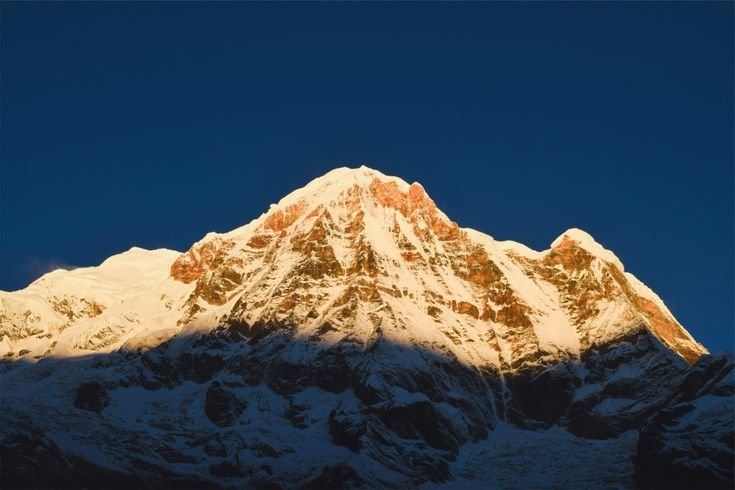
Introduction to Short Annapurna Base Camp Trek
The Short Annapurna Base Camp Trek is a speedy but highly rewarding trekking experience that is designed to suit travelers who would have wanted to explore the inner world of the Himalayas within a minimal amount of time. This route, which begins at Pokhara, provides a direct pathway into the Annapurna region and, as such, cuts down on the amount of time spent traveling, whilst still offering a complete mountain experience. It is best suited to physically fit people who are willing to engage in a slightly more rigorous program in exchange for having a shorter itinerary.
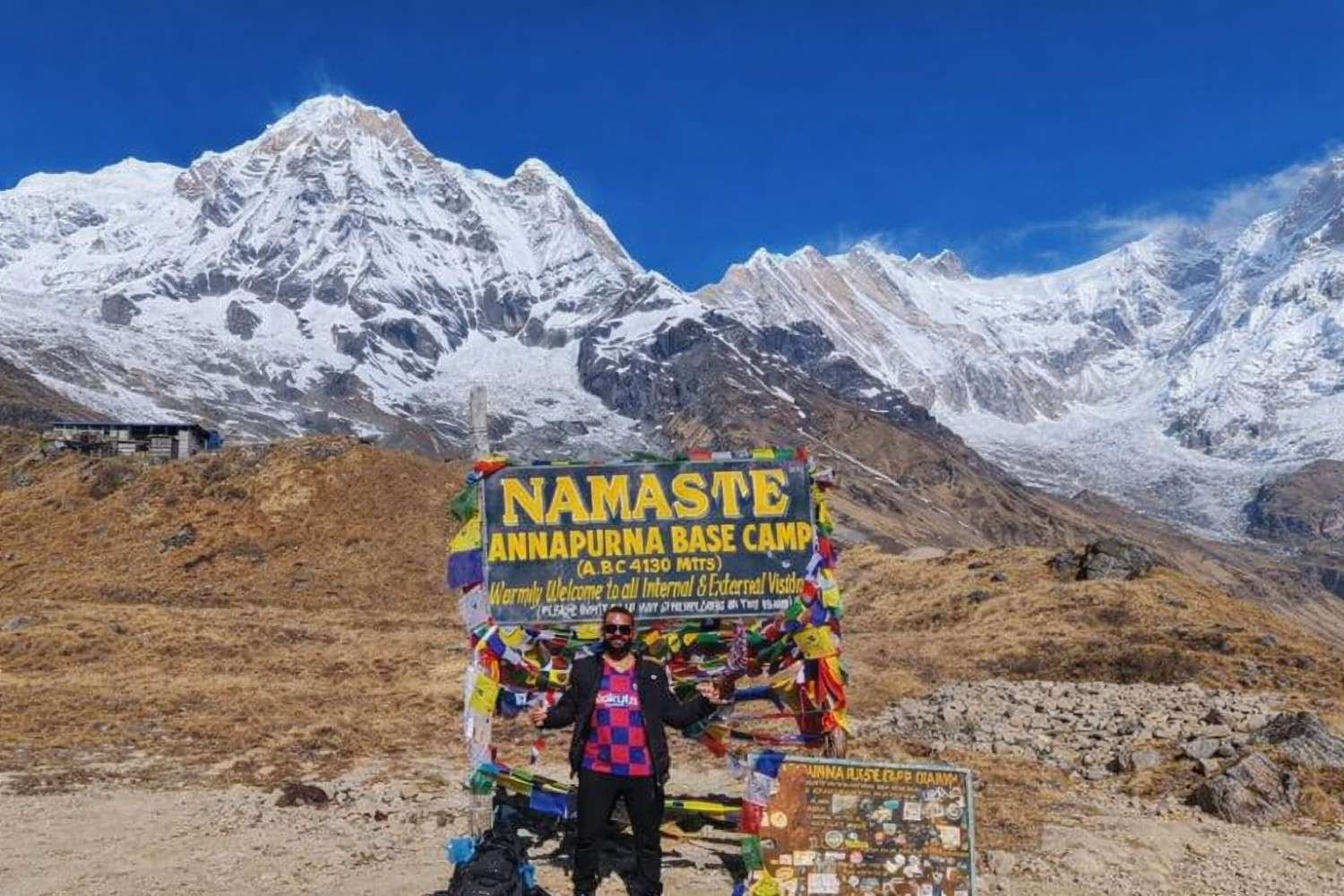
This is, in contrast to the longer trekking routes, a version that, nonetheless, is all about efficiency without necessarily taking out the crucial highlights. The Traditional villages, thick forests, and river valleys will still come on your way to reach Annapurna Base Camp, which is 4,130 meters in height. It is an adventure of the highest caliber and yet so rewarding that it will be amongst the best available options to time-conscience adventure seekers.
Reasons Why Short Annapurna Base Camp Trek
Time efficiency is the primary benefit of the Annapurna Base Camp Trek, in this more compact version, out of Pokhara. The reason why so many travelers cannot afford to spend 1012 days hiking the mountain is because this itinerary will make the hiking trip just 5 days long. This however comes at the cost of more trekking time, and less rest days which means that it is best suited to individuals who have good physical fitness.
The other factor to consider going to this trek is that it is directly accessible. The elimination of long days of travel, starting at Pokhara, allows you to start trekking virtually right away. The trail is well-developed and teahouse accommodations can be found along the trail, making the logistics easy even in a reduced schedule.
Road Map and Hiking Adventure
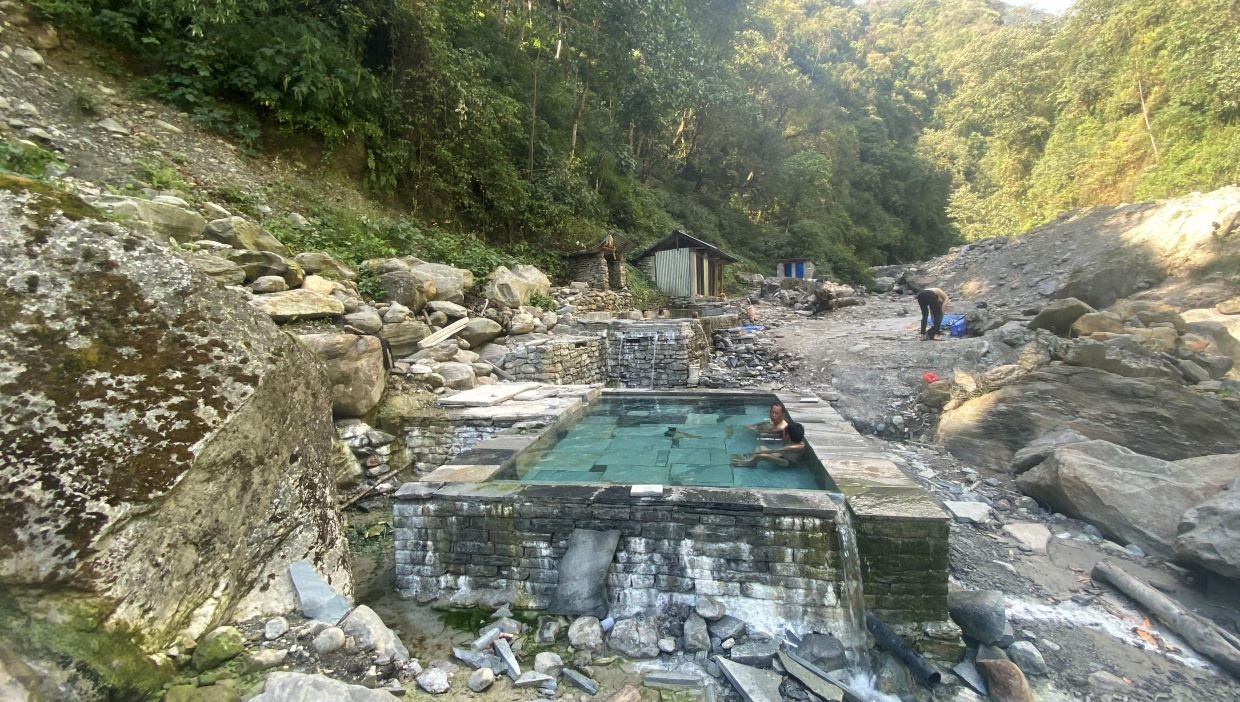
Annapurna Base Camp Trek 5 days is usually initiated by a drive to Pokhara and Jhinu after which the trek starts through Chhomrong, Sinuwa and Himalaya to the Annapurna Base Camp. The path is composed of a combination of stone steps, forest tracks and alpine land.
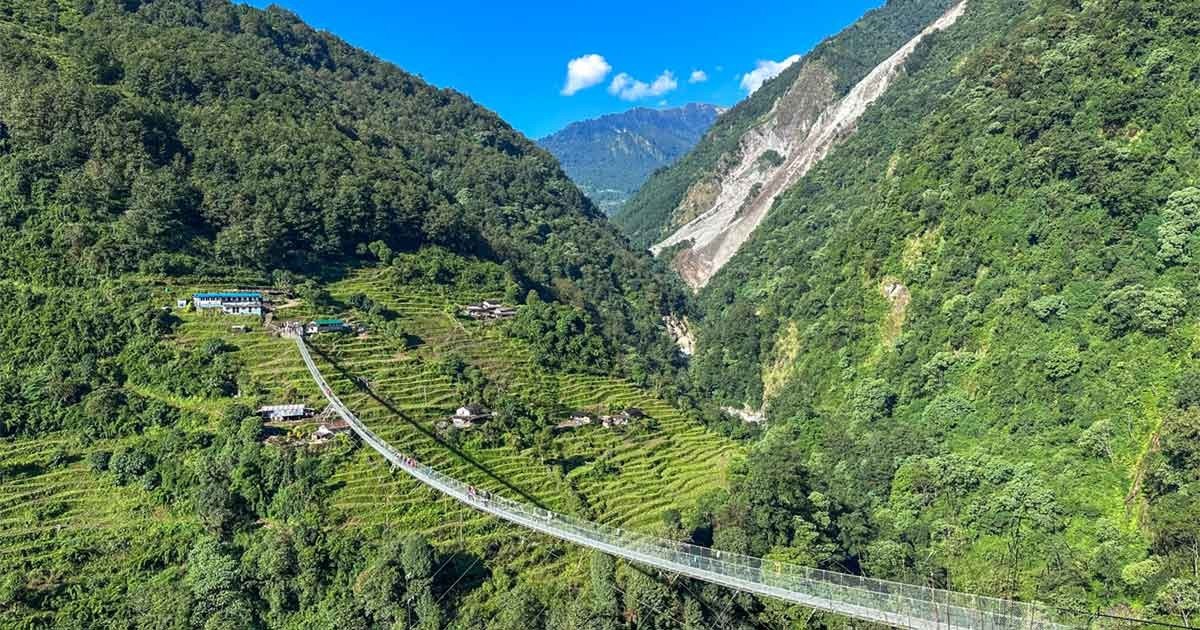
The trekking experience is strenuous as a result of the limited time. You will travel more miles per day than the typical itineraries. The path runs through bamboo forests, over suspension bridges, along the river of the Modi Khola and provides a dynamic environment that is constantly changing. The last way to base camp is particularly dramatic as the mountains start to enclose you everywhere.
Landscape and Natural Diversity
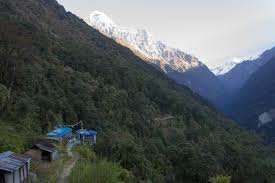
A change in landscapes in a very short time is one of the most impressive features of the Short Annapurna Base Camp Trek. In a few days, you are transported in subtropical areas to the alpine areas. The lower part is covered with rich green vegetation, terraced lands, and forests, whereas the higher part turns into the territory of rocks and glacial areas.
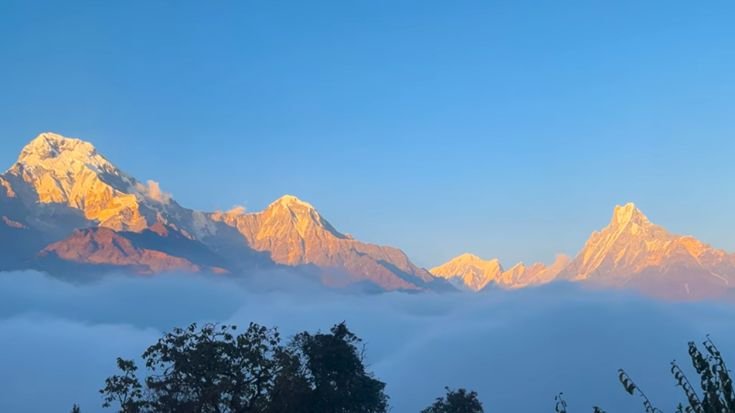
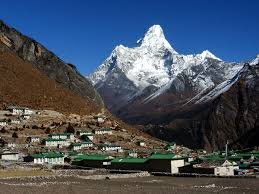
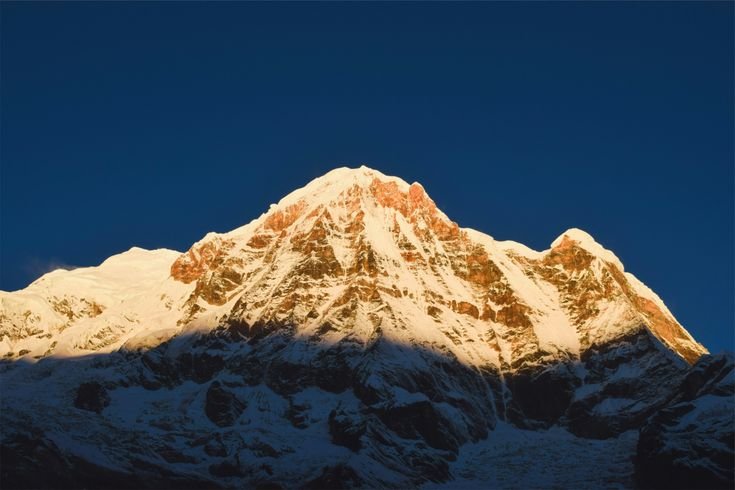
Even the Annapurna Sanctuary is a one-of-a-kind natural feature where mountains such as Annapurna I, Machapuchare and Hiunchuli suddenly rise all around you. This gives it a strong feeling of solitude and beauty which is hardly to be found anywhere.
Experience in Culture Down the Trail
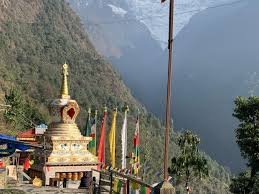
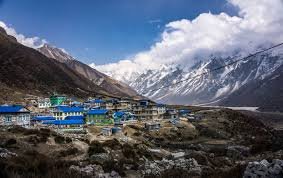
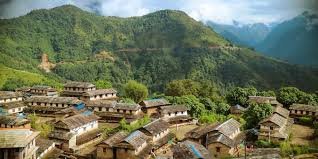
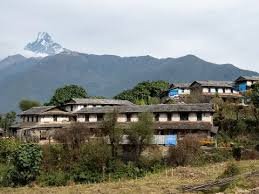
Cultural exposure is still a significant component of the journey even in a shorter itinerary. Villages such as Chhomrong give people a glimpse into the culture of the Gurung community, and how they relate to the mountains. You are able to see traditional houses, local methods of farming and day to day life in the hills.
Even though the trek is fast, even minor experiences with people and spending time in villages make the experience richer. This fusion of culture and nature renders the trek more worthwhile.
Challenge and Physical Training
Compared to the usual itinerary, the Short Annapurna Base Camp Trek is more demanding since it has a tight schedule. Daily walking may take 6-7 hrs and may be accompanied by steep uphill and downhill walks. The primary obstacles include the stone steps in and around Chhomrong, and the increase in altitude toward the base camp.
To acclimatize, travelers need to do some cardio into the trip, go on long walks or hiking. Speed is not as important as stamina and endurance. The trek should be paced properly to prevent exhaustion.
Height and Safety Measures
One of the major challenges of this trek is also the altitude. The risk of developing altitude sickness is higher in a short time, than in longer itineraries. Such symptoms like headache, nausea, fatigue should be considered.
In order to reduce the risk, one should remember to keep hydrated, eat well, and take his/her time. It is important to listen to your body. In the case of the worsening of the symptoms, the most safe course of action is downwards. High-altitude trekking travel insurance is highly suggested.
Food and Accommodation
The teahouse accommodation will be offered during the trek, which will offer basic but comfortable accommodation. Rooms are basic, typically twin-sharing rooms, with communal showers. With the increased height, the facilities become simpler.
Food choices are both traditional Nepali meals such as dal bhat, and noodles, soups, and simple international dishes. Food is tailored to give energy to trekking and hot beverages are common.
The Best Time to undertake the Trek
The Short Annapurna Base Camp Trek has a season that is best during autumn (October- November) and spring (March- May). These months also have good clear skies and the weather is also constant and the mountain views are the best.
The spring is characterized by the ability to view the forests of rhododendron bloom, and by the fall, one can see clearly and enjoy trekking. Winter is possible but colder and monsoon season is not as recommended as it rains and trails are slippery.