
Introduction to Annapurna Base Camp Trek
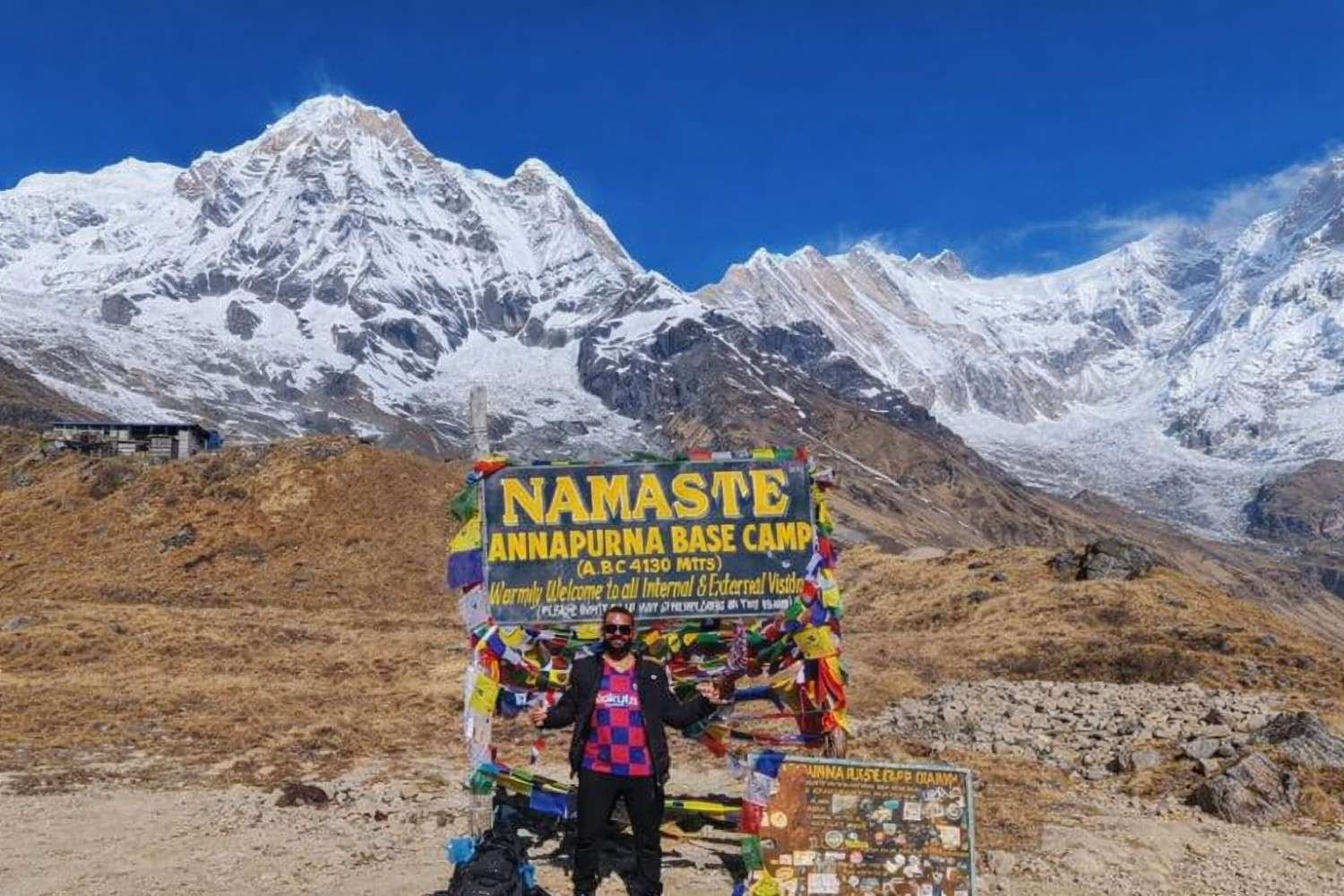
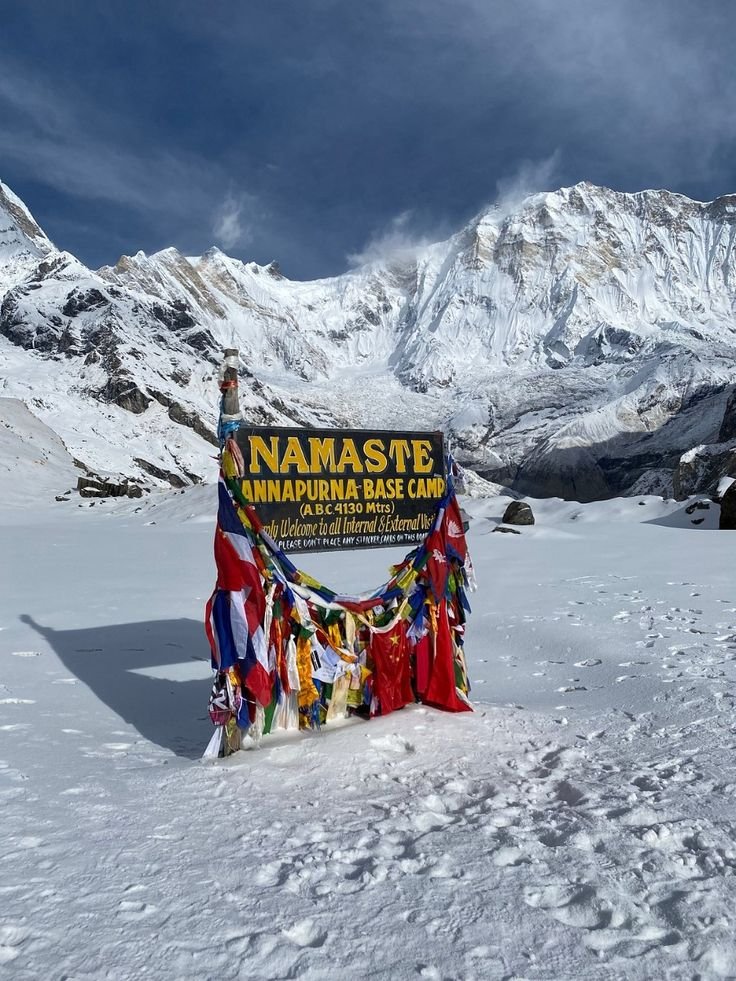
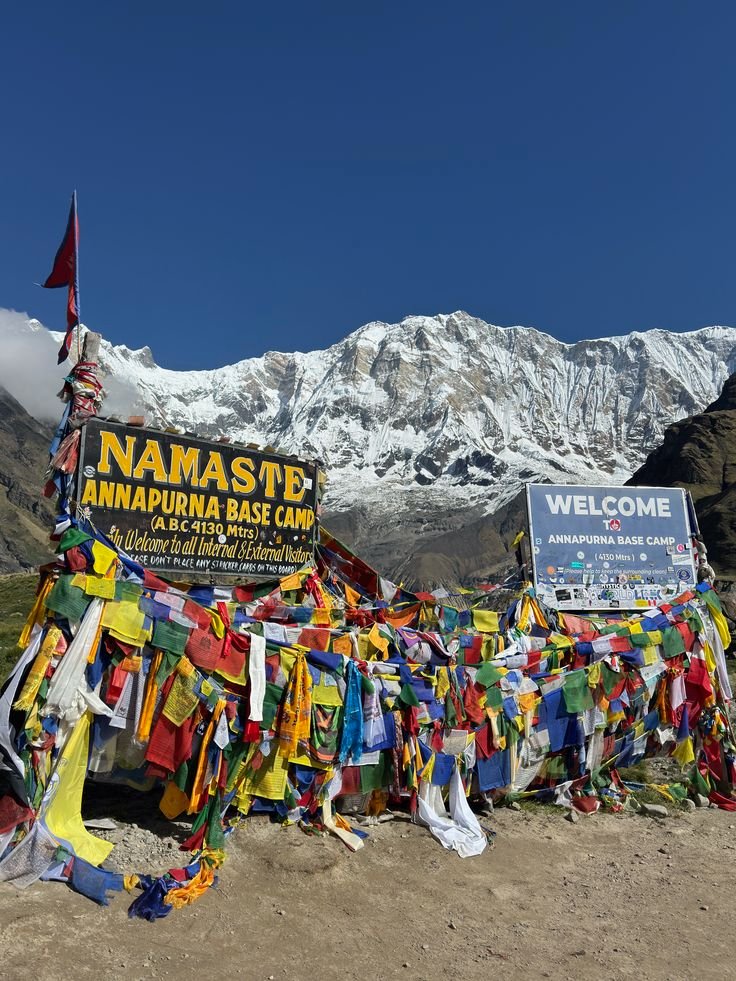
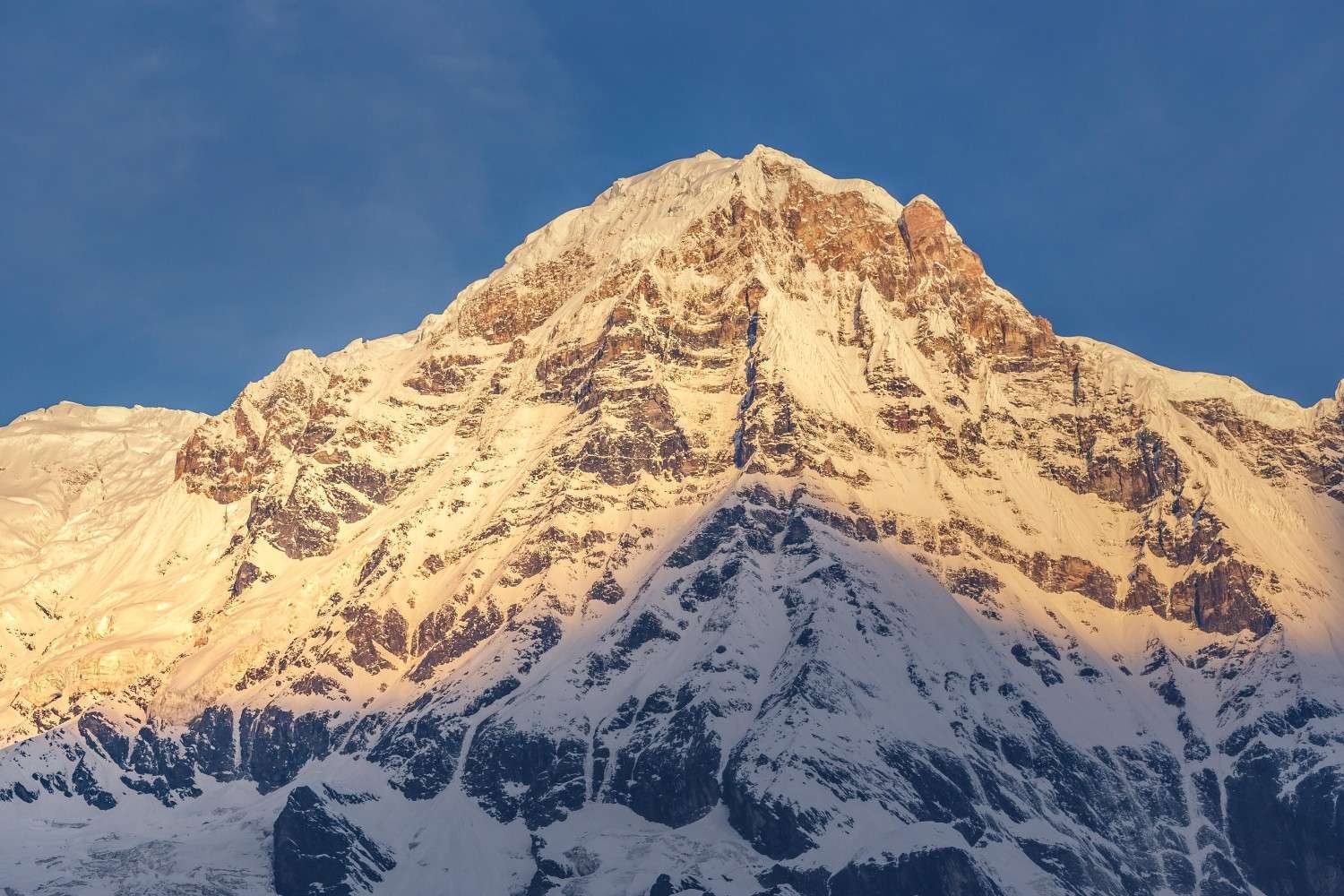
The Annapurna Trek is one of the most iconic trekking experiences in Nepal, as it offers a potent blend of high-altitude adventure, cultural immersion, and various natural landscapes. This trek is located in the Annapurna region and takes you deep into the heart of the Himalayas and to the base of the tenth-highest mountain in the world, Annapurna I (8,091 m). The Annapurna Base Camp Trek, in contrast to many other high altitude treks, offers a direct and rewarding journey into a glacial basin, surrounded by towering mountains, commonly known as the Annapurna Sanctuary.
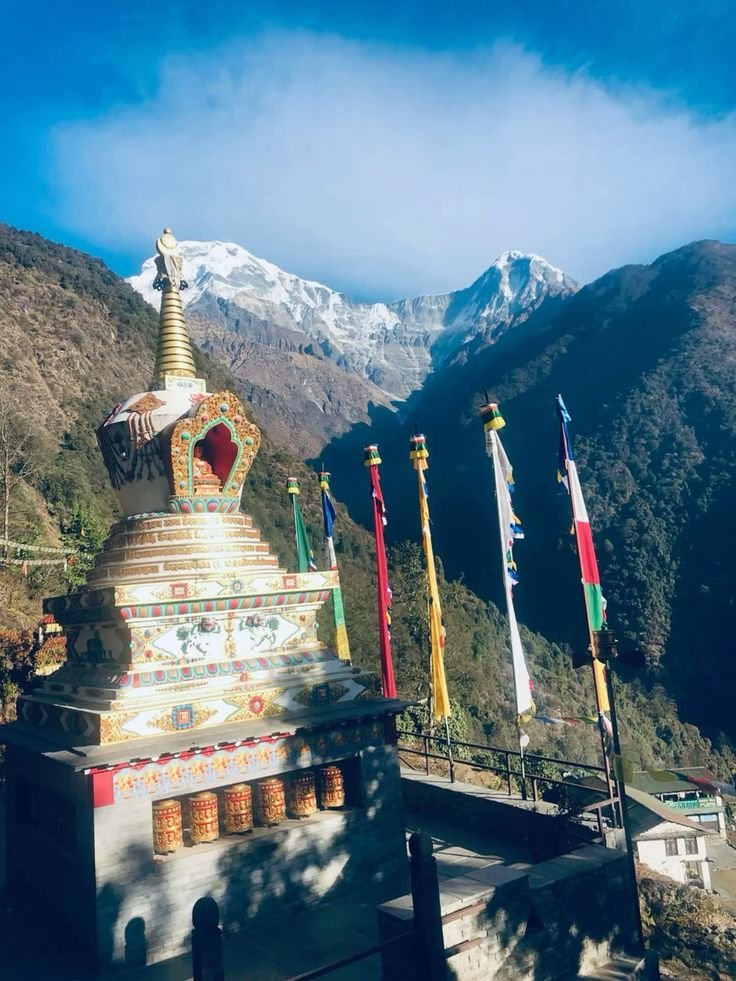
Dramatic landscape variation is what makes the Annapurna Base Camp Trek unique. The change is that in a couple of days you are no longer in subtropical forests and terraced arable lands but in alpine settings and snow-covered landscapes. The trail boasts of biodiversity and cultural diversity and traverses through traditional villages inhabited by Gurung and Magar communities. This trek is the one that will provide the full Himalayan experience that will involve adventure, scenic beauty and valuable cultural encounters.
Why to Select Annapurna Base Camp Trek.
The Trek to Annapurna Base Camp is a well-balanced trekking experience that is challenging and accessible. This trek is shorter in length as compared to longer expeditions such as the Everest Base Camp but yet it reaches a very high altitude of 4,130 meters. This enables trekkers to be exposed to high altitude conditions without necessarily having to go through a long acclimatization process.
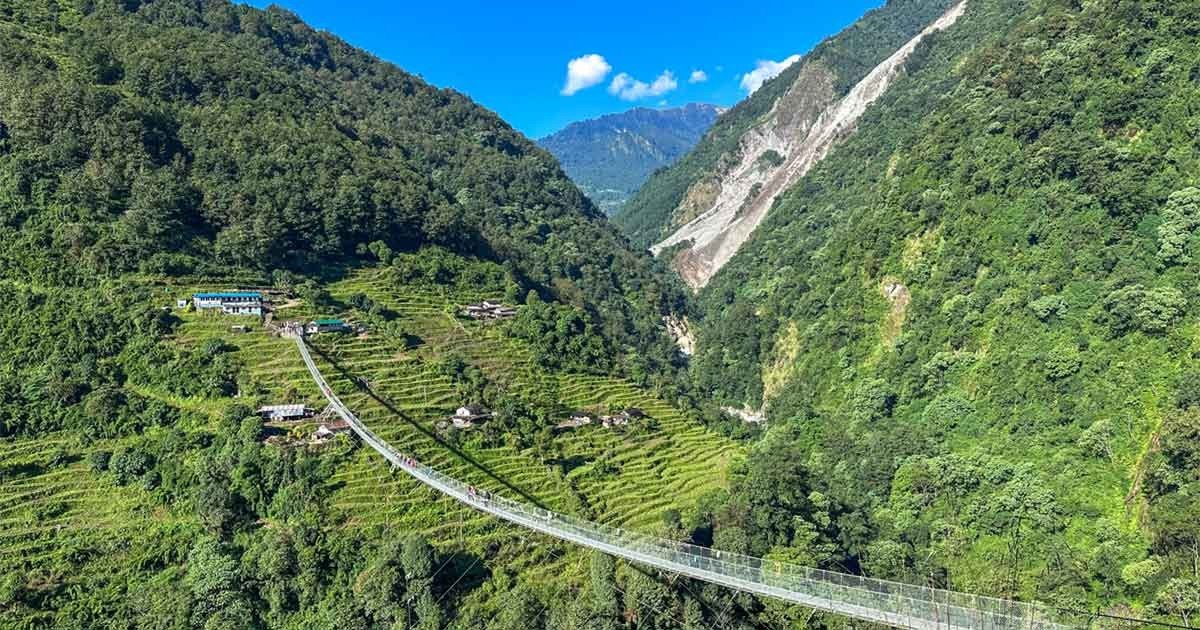
The diversity of experiences it provides is another crucial benefit. Every day something new emerges, whether it be a stroll through the green trees and suspension bridges, or standing in the centre of a natural amphitheater of snow-capped mountains. The Annapurna Base Camp Trek is also teahouse-supported, and thus is comfortable and logistically easy. This trek is a good option to those travelers who are interested in adventure as well as convenience.
Best Season for ABC Trek
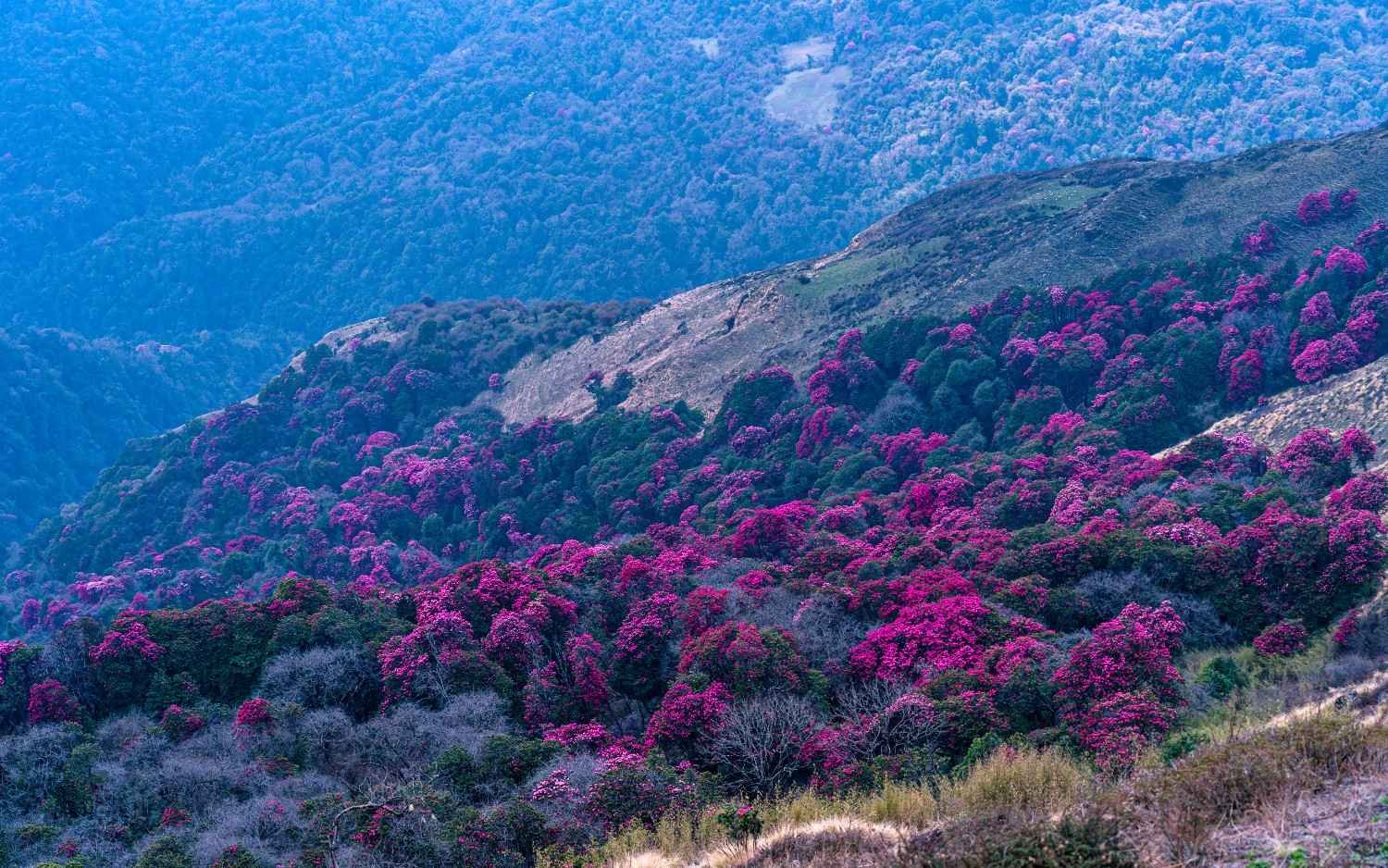
Autumn (October to November) and spring (March to May) are the best seasons to go on the Annapurna Base Camp Trek. These seasons give predictable weather, clear skies and optimum mountain visibility. Fall is also a popular season due to its cool breeze as well as panoramic views, whereas spring is popular because of its rhododendron forests that bloom in the spring and give the trail a colorful look.
It can also be winter (December to February) but it is colder, and there may be snows at the higher elevations. The monsoon season (June to September) is not so pleasant because of heavy rainfall, slippery trails and low visibility. It is important to note that the season you want to go on influences greatly the experience you are going to have during your trekking.
Route and Trekking Experience
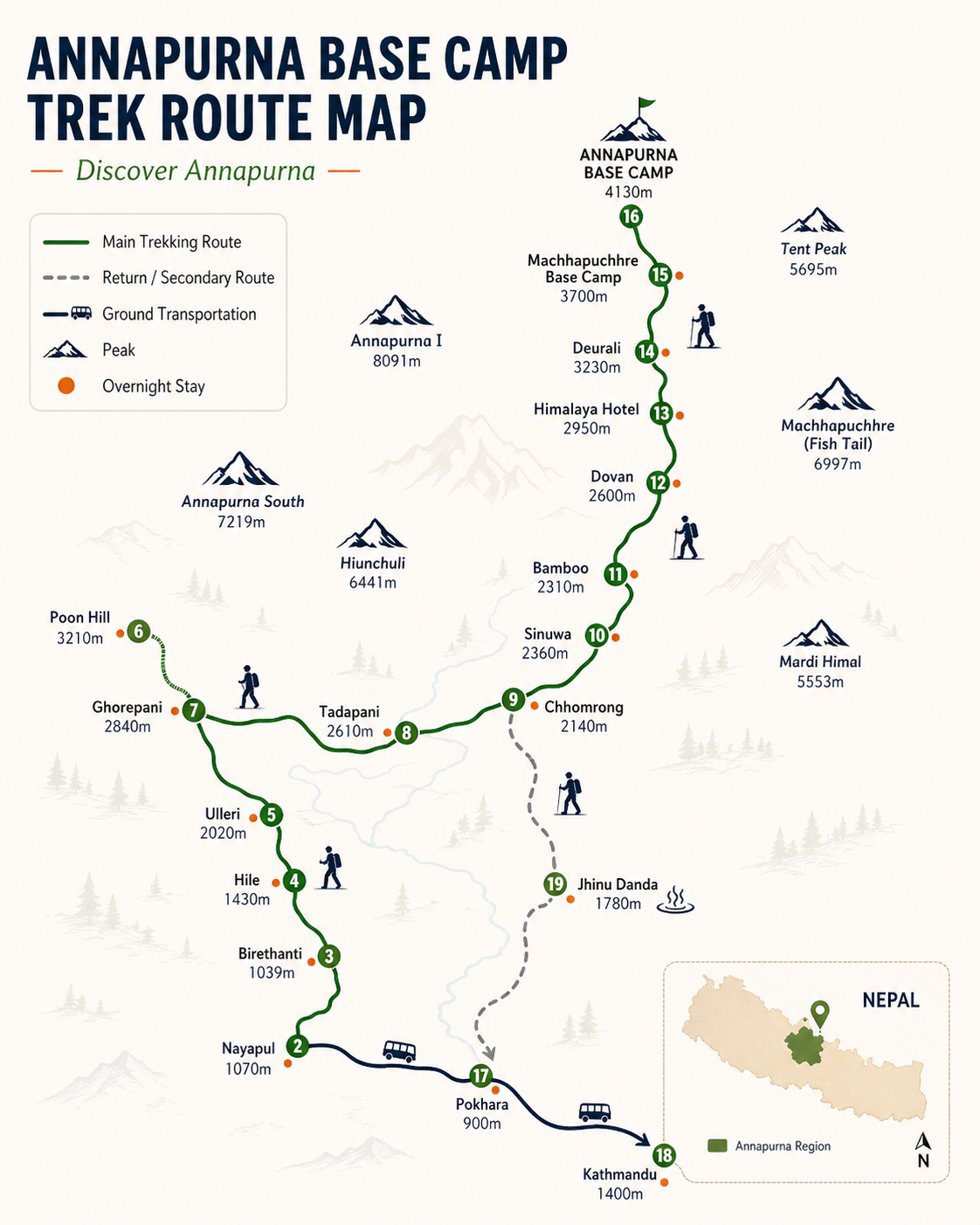
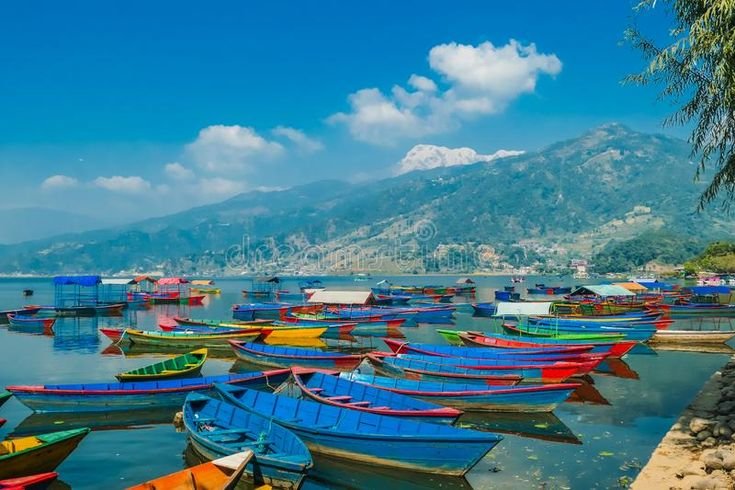
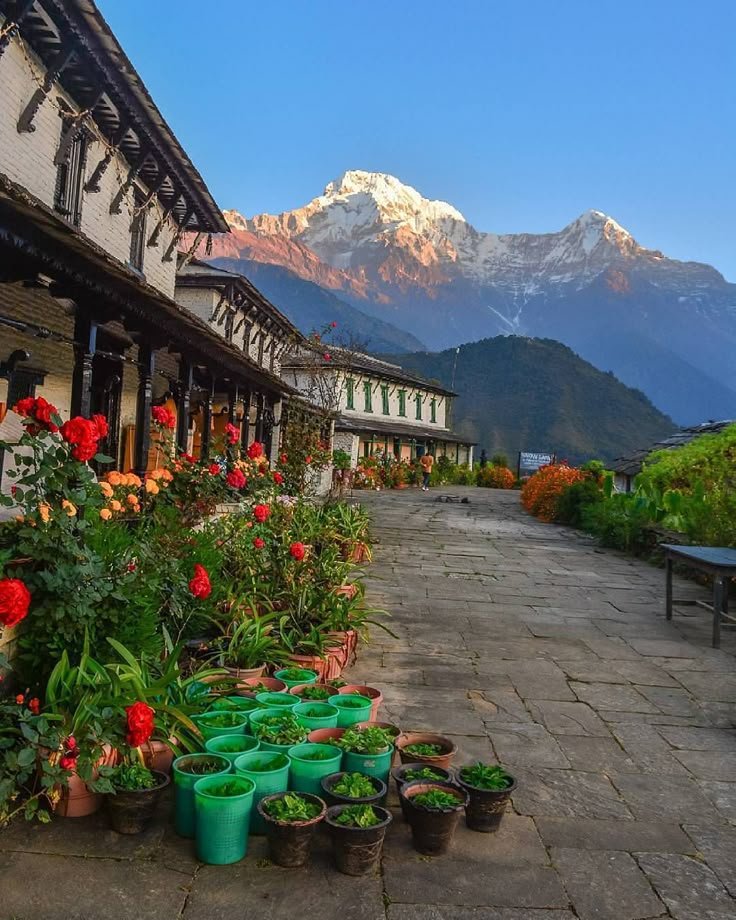
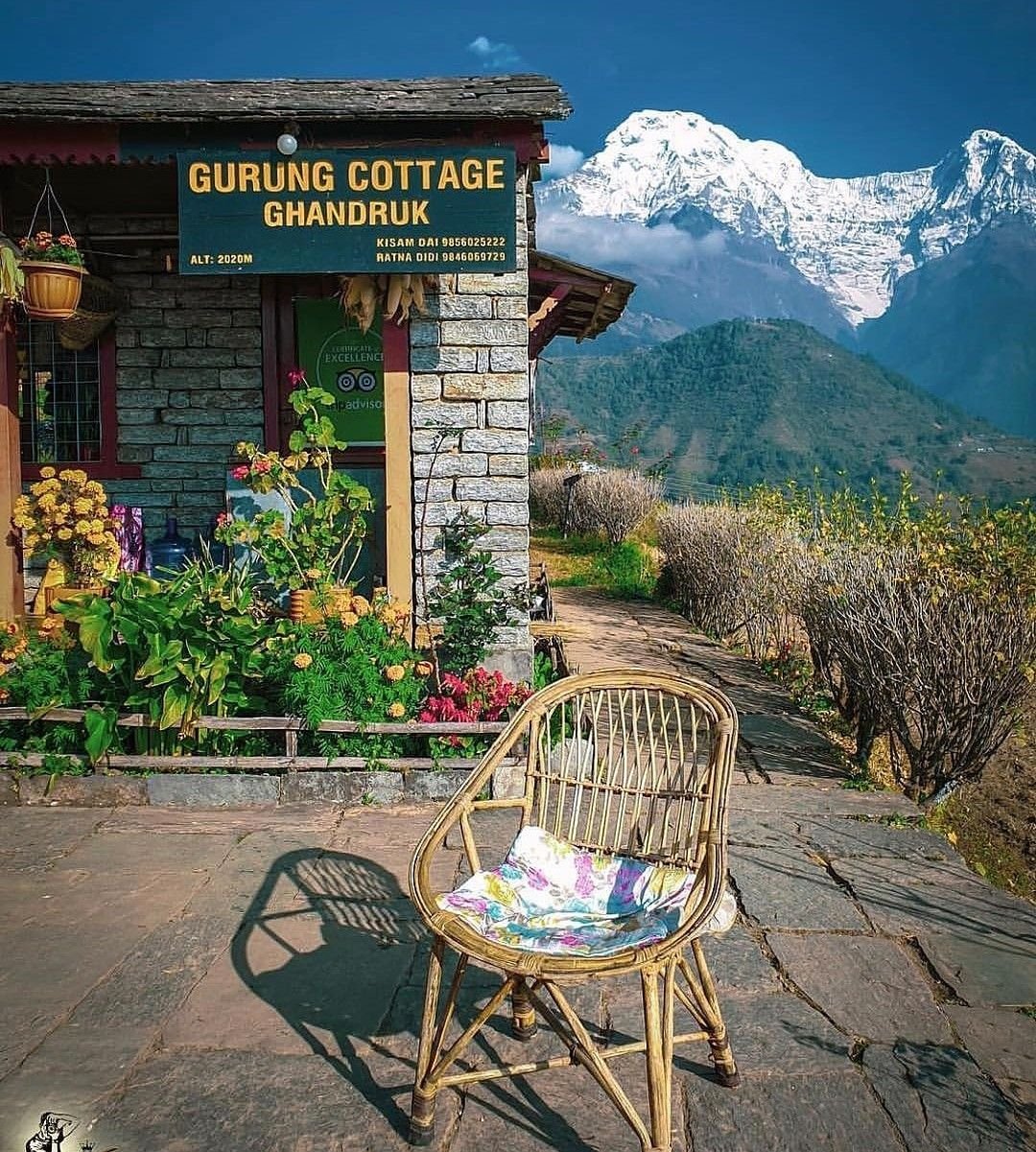
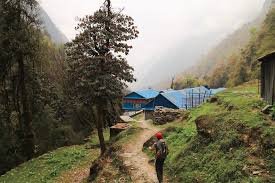
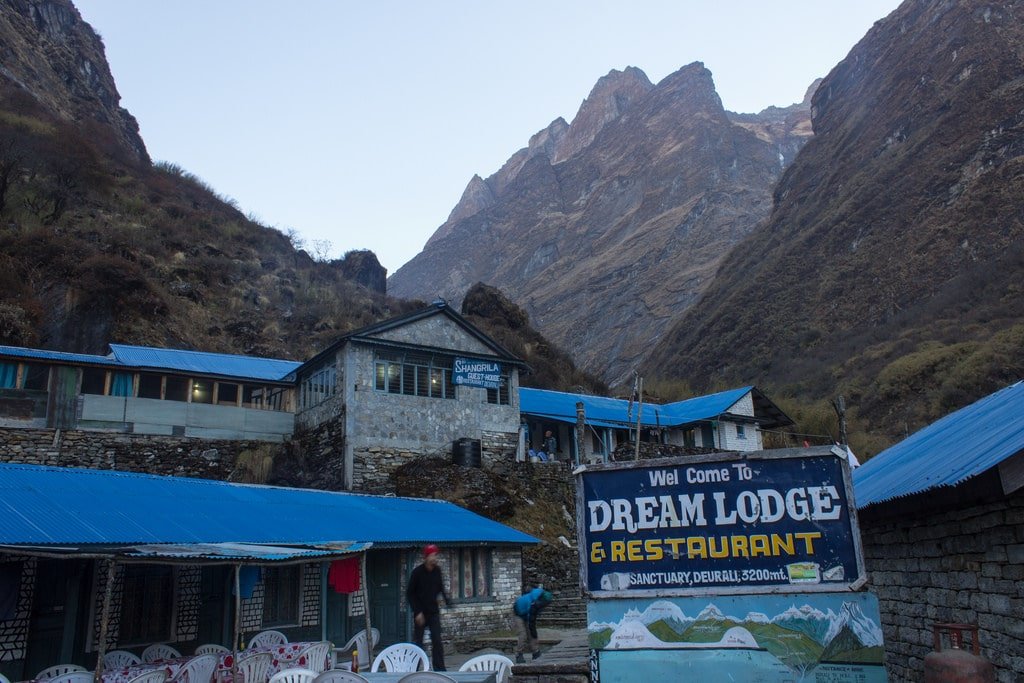
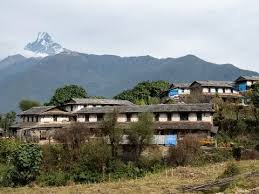
The Annapurna Base Camp Trek normally starts at Pokhara and follows a route along Ghandruk, Chhomrong, Bamboo, Deurali and Machapuchare Base Camp before reaching Annapurna Base Camp. It is a well-established trail with a combination of stone staircase, forest paths, and river valleys.
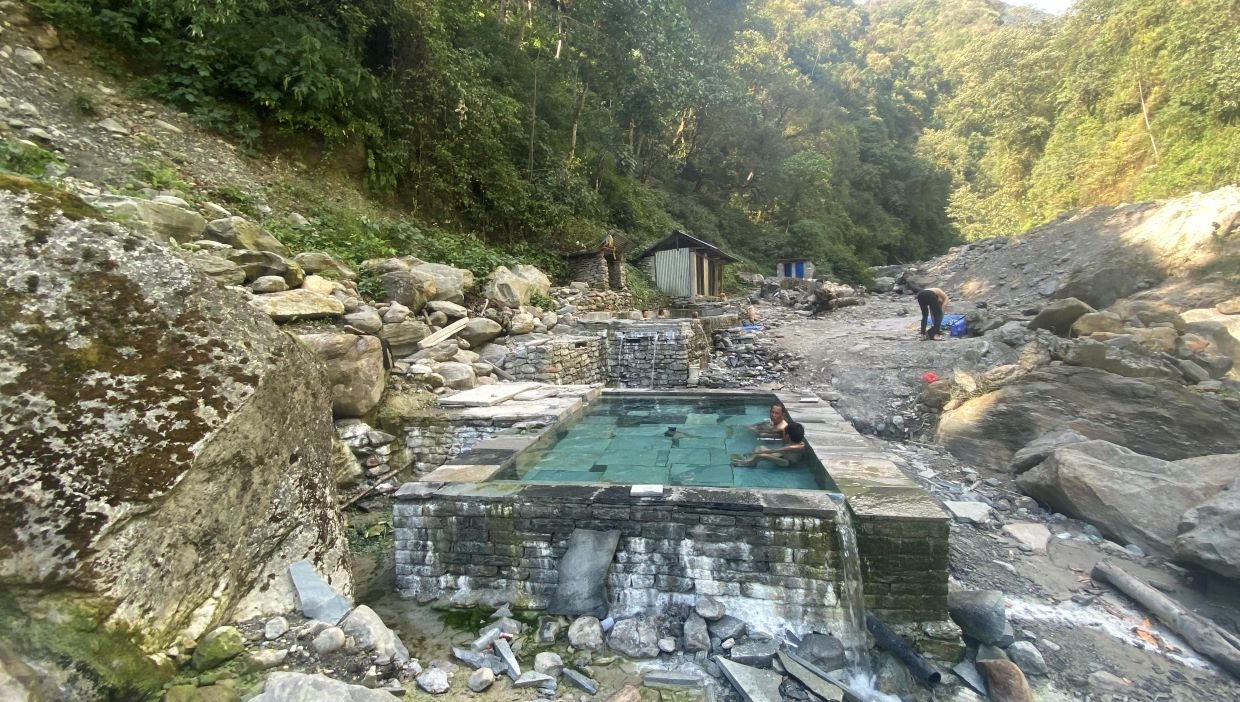
Entering the Annapurna Sanctuary, a high-altitude valley located between the peaks Annapurna I, Machapuchare, Hiunchuli and Annapurna South is among the most memorable moments of the trek. In this part of the world, the feeling of being isolated and the beauty of nature is unparalleled. The trek goes on further to descend through a trail known as Jhinu Danda where natural hot springs are located and provide a relaxing conclusion to the trek.
Challenge and Physical Training
The Annapurna Base Camp Trek is considered moderate to challenging. The number of hours of trekking may be 5-7 hours a day, and the trekking should include both ascends and descents. The altitude gain is not too steep, but the last days are associated with walking at a higher altitude, which may be physically challenging.
This is necessary so that the experience is comfortable. Endurance can be enhanced by walking around, cardio workouts, and light strength training prior to the trek. Pacing yourself, maintaining hydration and taking adequate rest is also important. Although at an altitude of above 3,000 meters, altitude sickness is a factor of concern, with proper acclimatization and awareness, the risks can be reduced.
Food and Accommodation
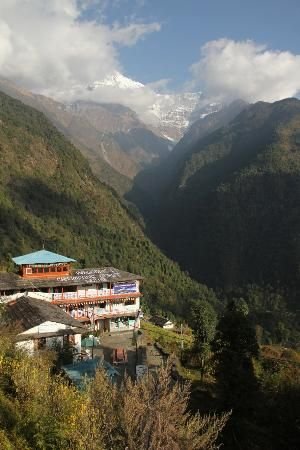
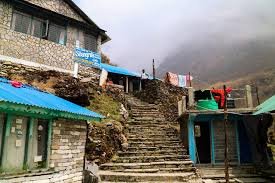
Teahouse accommodation can be found all along the ABC Trek. These lodges offer simple but comfortable facilities such as beds, meals and shared eating areas. The facilities get more primitive as you get higher, yet they are adequate to the trekking requirements.
There are food selections of both traditional Nepali delicacies such as dal bhat or international dishes like noodles, pasta, soups and eggs. The meals will be geared towards supplying energy to trekking and hot drinks are readily available. It is advisable to carry snacks as an extra source of energy on days of long trekking.