Introduction
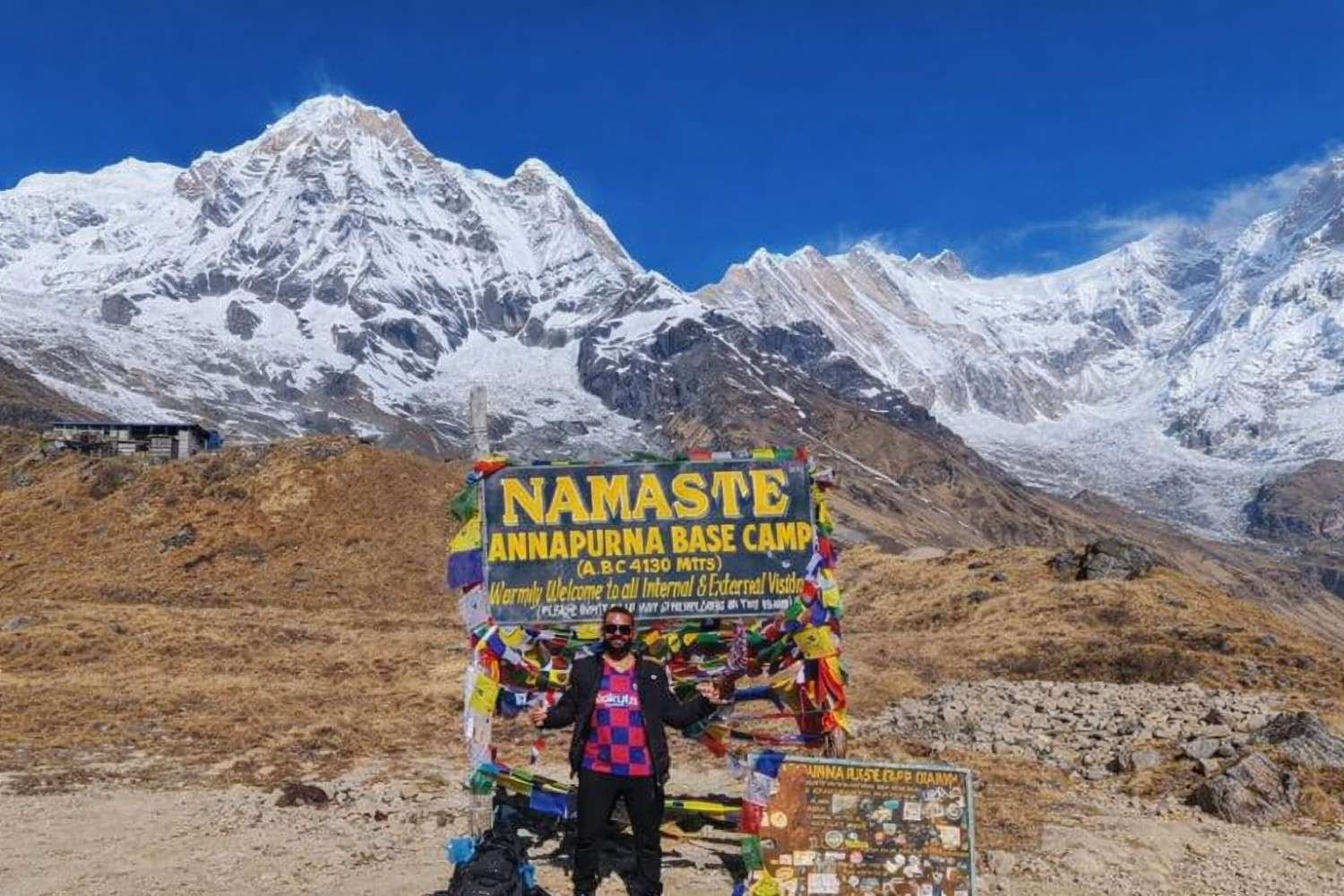
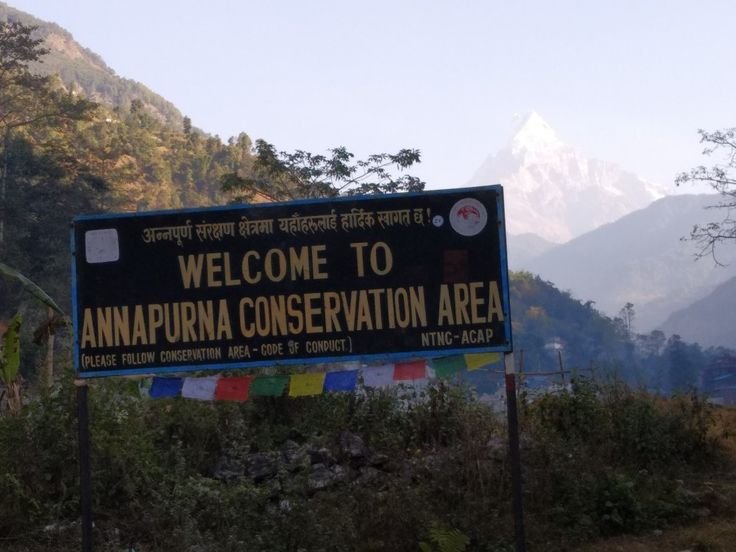
Why not it is one of the best trekking experiences of the Himalayas? So yes, the ABC & Ghorepani Poon Hill Trek is definitely one of the best trekking experiences in the Himalayas. Located within the Annapurna Conservation Area (ACAP), the largest conservational area in Nepal with an area of 7,629 square kilometres, this trail merges two of Nepal's most cherished trekking destinations into a single complete and very rewarding trek. The journey passes through the incredible diversity of landscapes: subtropical river valleys, expansive forests of rhododendron and oak, ridge-top villages with views out across the mountains, alpine meadows, and finally a high, glacial amphitheater surrounded by some of the world's highest mountains.
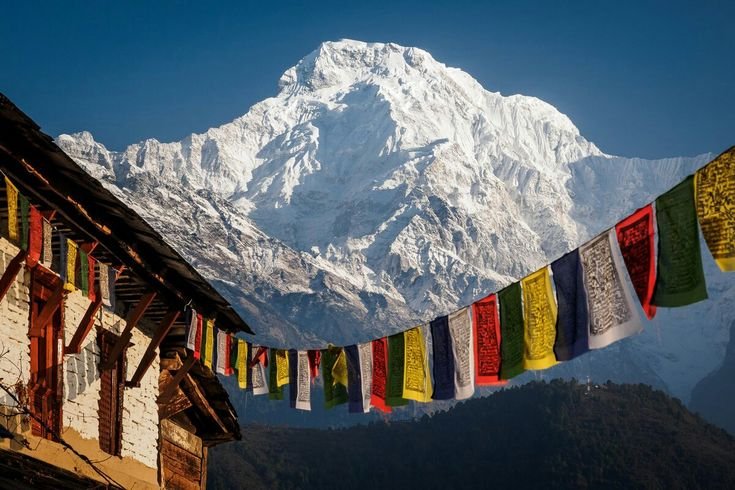
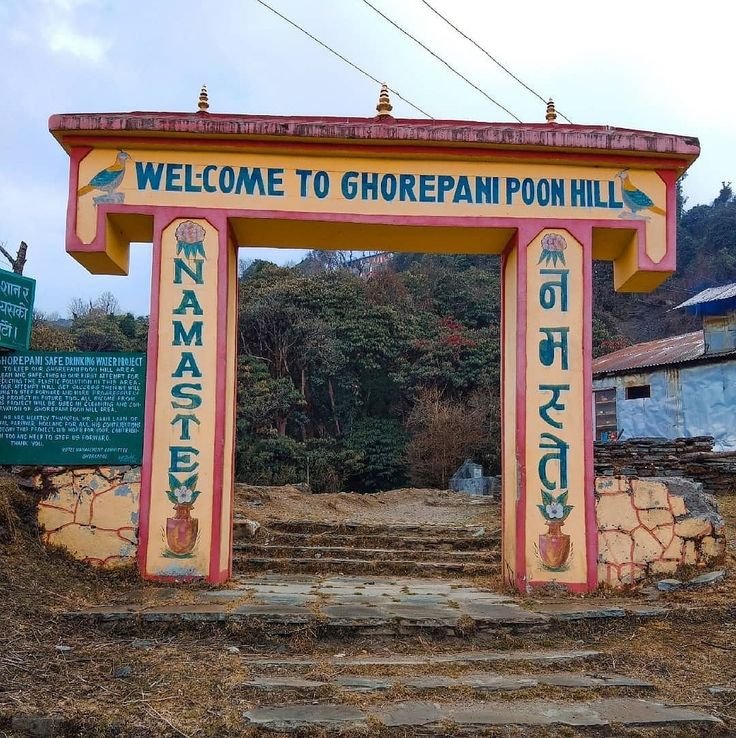
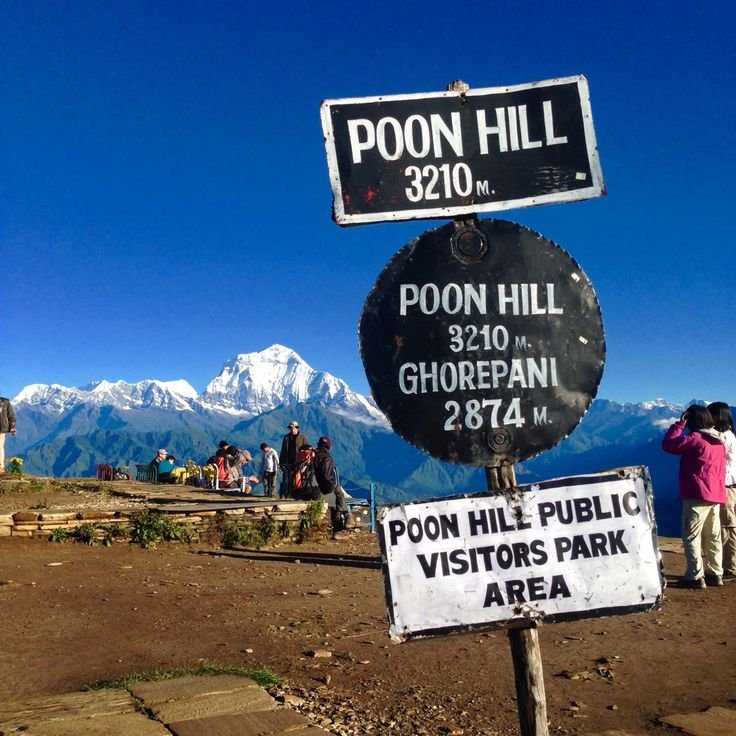
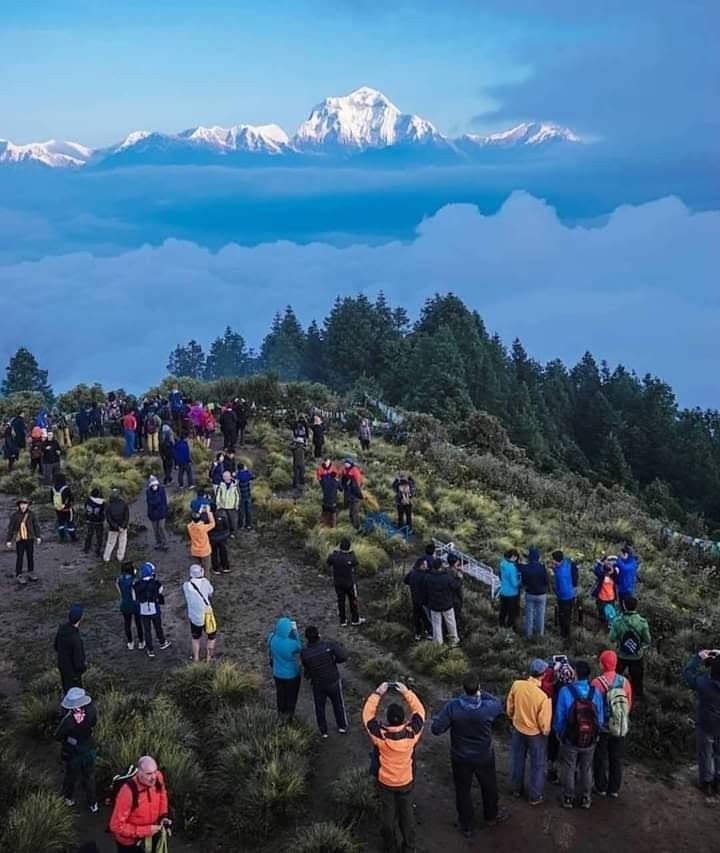
The challenge in this case is the variety of routes that is so attractive. Known for its accessibility, cultural richness, and the iconic sunrise view from Poon Hill (3210m), the Ghorepani Poon Hill circuit is celebrated for its many attractions. The Annapurna Base Camp trek, on the other hand, takes a detour into the sacred valley, passing through a steadily constricting narrow valley to the base of the 10th highest peak in the world, Annapurna I (8,091m). With both together you'll have the best of classic Annapurna trekking: cultural highlights, village life, biodiversity and high altitude drama.
Geography & Terrain
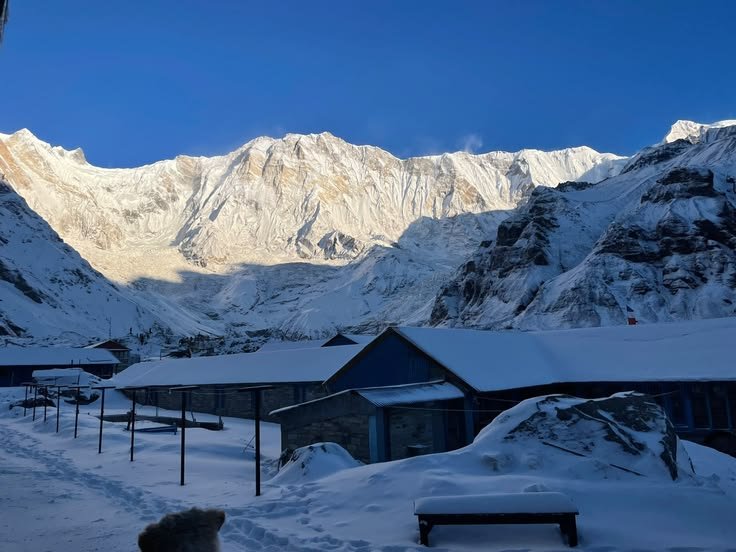
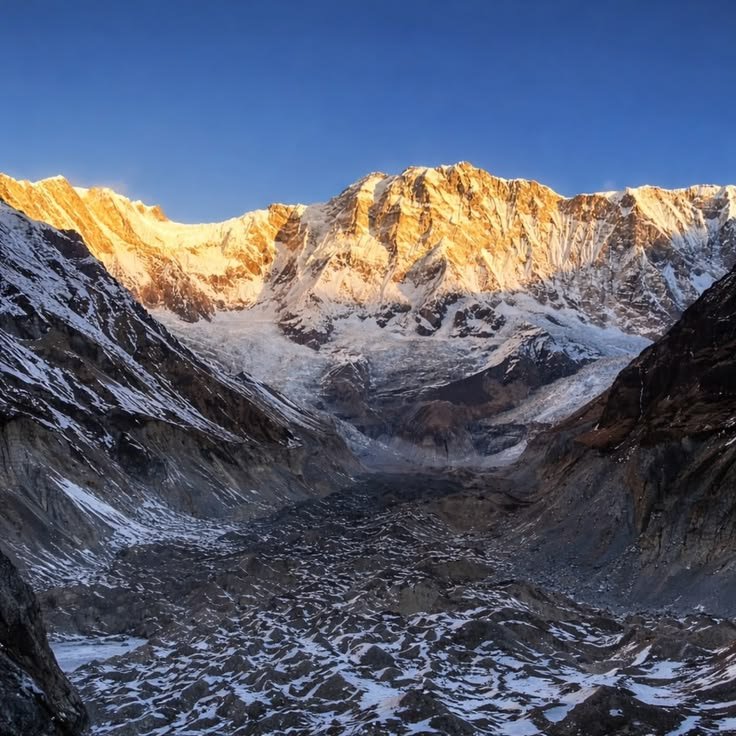
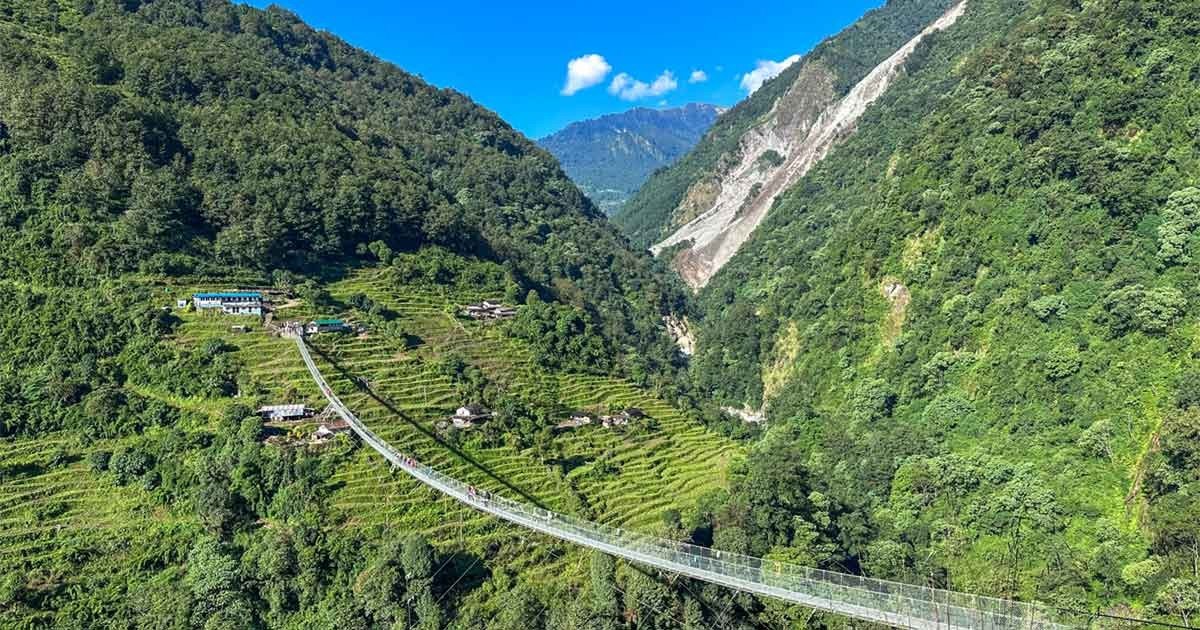
The Annapurna area is in the middle of the central Himalayan mountain range of north-central Nepal. The Modi Khola river valley in the middle of the ABC route is one of the most amazing geographical phenomena in Nepal: A deep river valley with a V shape, surrounded by some of the steepest mountain faces in the world! As you climb the valley, it gets progressively narrower ending with the Annapurna Sanctuary, a glacially formed cirque, totally encircled by peaks rising above 6,000m, and the great Annapurna massif at the head.
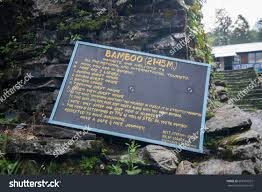
The lower part of the walk is in what geographers refer to as the "subtropical zone", where terraced agriculture, river crossings and dense mixed forest feature. From approximately 2000m to 3500m it's in the temperate habitat and the beautiful rhododendron and bamboo forests await. The vegetation is sparse above 3,500m and the area takes a distinctly alpine character, with rocky moraines, permanent snowfields and glaciers dominating the landscape. One of the most remarkable attributes of this trek is the gradient of biomes you are visiting in one trek.
Flora & Fauna
Annapurna Conservation Area is one of the most bio-diversified protected areas in Asia with more than 1226 species of flowering plants, 105 species of mammals, 518 species of birds and 39 reptile species. The rhododendron forests at mid-altitude, the world's largest rhododendron forests, are especially breathtaking in the spring (March-May), when the various species of rhododendrons begin to bloom in color with shades of red, pink, white and orange.
It is not guaranteed, but one could expect to see wildlife at any time along the trek. Although not as well known as other types of rare cats, snow leopards can be found in the highland regions surrounding ABC. Wild goats-antelope (tahr), black bear, red panda and different types of deer are found in the conservation area. Birdwatchers will be amazed at the wealth of birds that are regularly seen; the Himalayan monal (the national bird of Nepal) is a spectacular iridescent pheasant, the Impeyan pheasant, the Himalayan griffon vulture, golden eagle, blood pheasant, and many varieties of laughing thrushes.
Culture & People
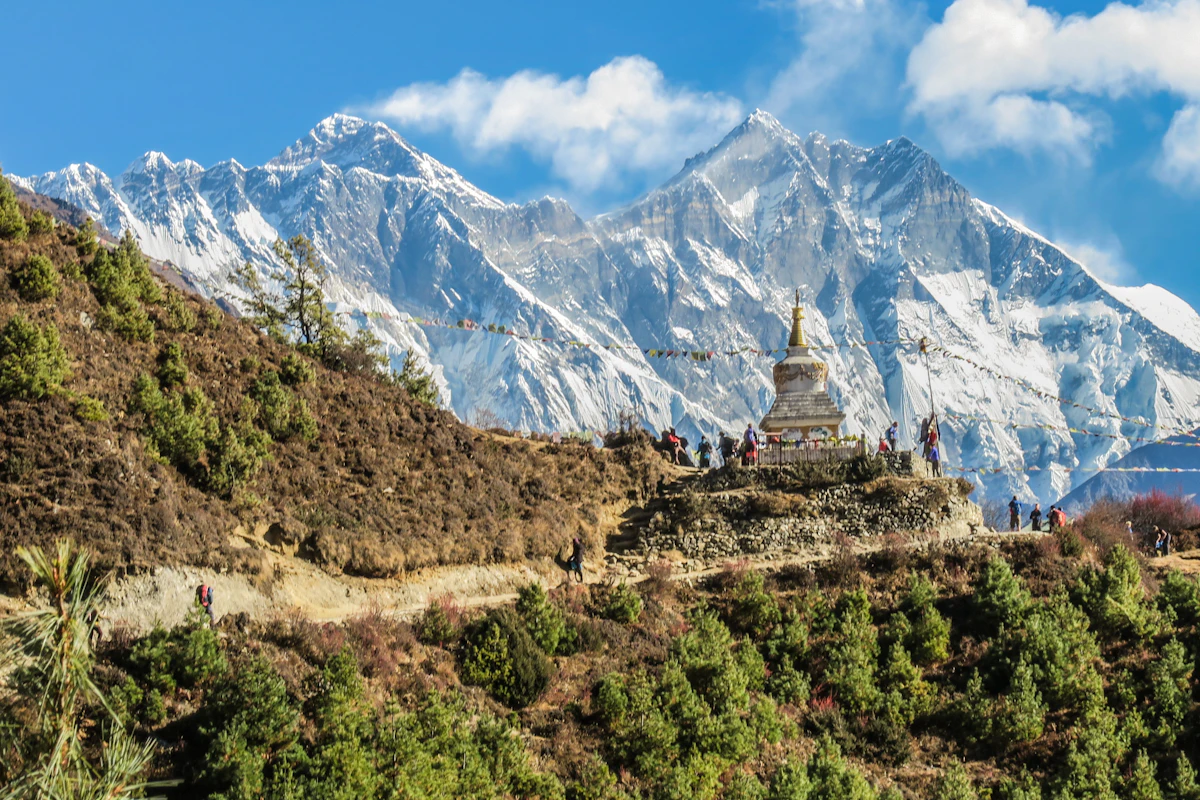
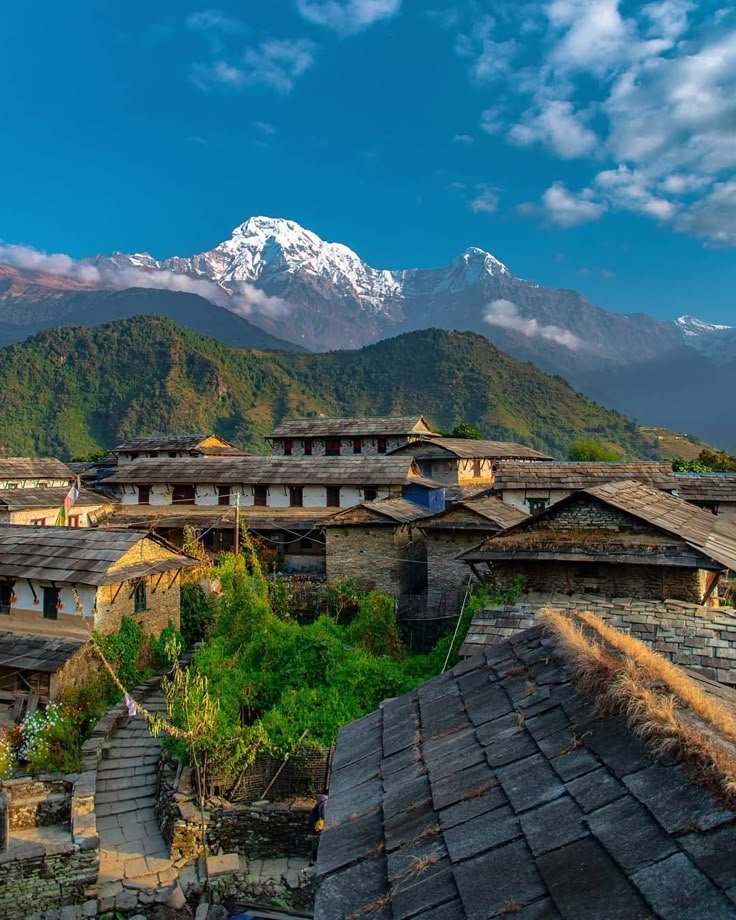
The villages you will pass through en route to this trek are mainly inhabited by Gurung and Magar people (the hill people) and they have a proud history of serving in the British and Indian Gurkha regiments with old traditions, language and distinct ethnic communities. The Gurung people are especially known for their distinctive architecture (stone-walled houses with slate roofs), traditional attire, festivals, music (the classic Gurung instrument is the madal drum) and cuisine.
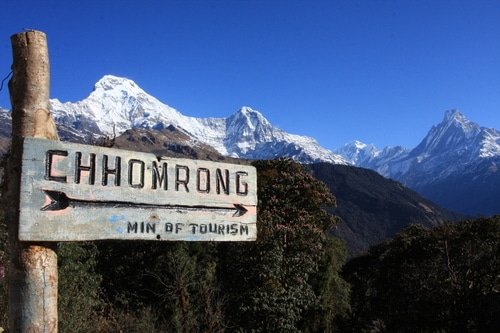
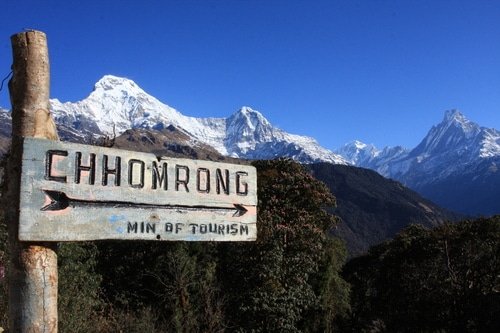
One of the primary Gurung villages on the trail, Chhomrong is a particularly important cultural pitstop. At the altitude of 2,170m, it is a big, prosperous village where traditional mountain life goes hand in hand with a flourishing trekking economy. Avoiding discrimination, buying things made locally and visiting family-owned teahouses are all part of being a good tourist and contributing to the community and culture. The Gurung are famous for their friendliness, hospitality and happy endurance, which has gained them worldwide recognition.
Accommodation & Food
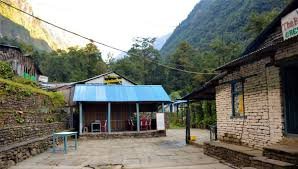
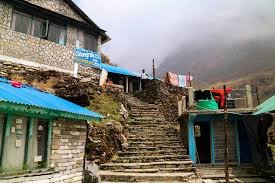
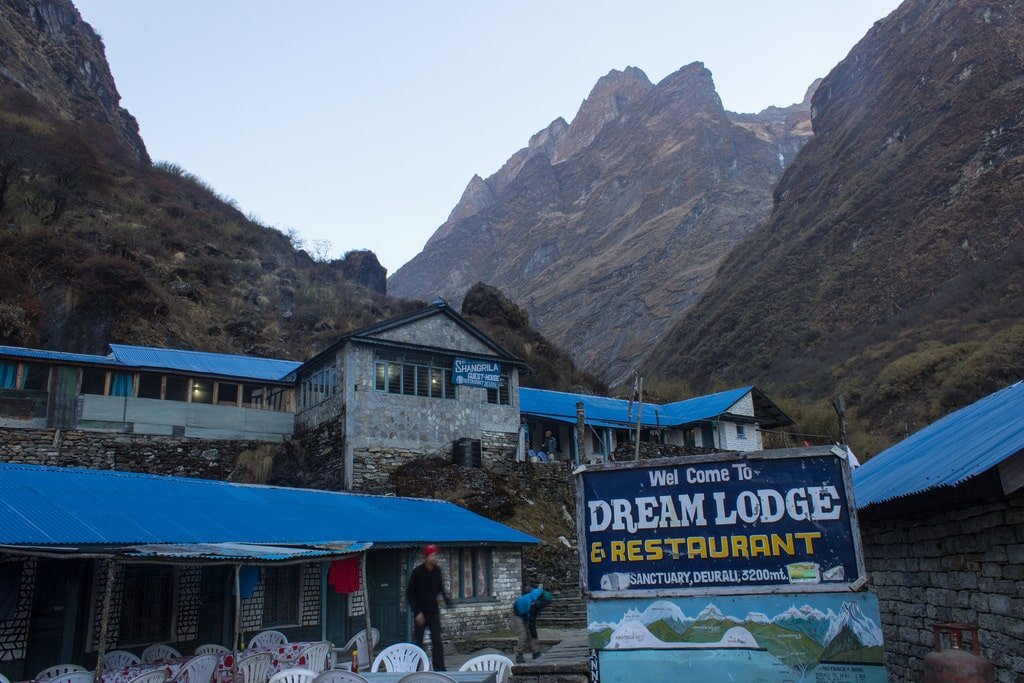
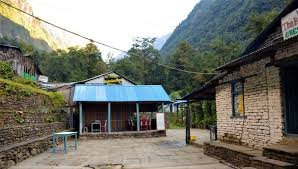
The whole journey is done as a "teahouse trek", which is to say, you will not camp along the way, but will stay in family-owned lodging (teahouses) all night. This is not only more comfortable and convenient than camping, but it also allows for more genuine contact with the local communities and it directly benefits the mountain economies. Teahouses vary considerably in quality between the basic ones (in the far more remote areas, shared outdoor facilities, thin walls, no heating) and the surprisingly comfortable ones (private rooms, attached bathrooms, WiFi and heating) in larger villages such as Ghorepani and Chhomrong.
The food provided on the trail is nourishing, comforting and able to provide the energy required for walking. Trekkers should try to eat dal bhat, which is a traditional Nepali dish made up of steamed rice, lentil soup, curried vegetables, pickles and sometimes meat, and is eaten for free. There are also menus for pasta, pizza, sandwiches, soups and different egg dishes at lower altitudes. As you climb, there is less variety and the prices will rise (because of the costs of porter transport) but still acceptable. Hot drinks are recommended (Ginger lemon honey tea is favourite with trekkers) as a way of keeping warm and hydrated.
Permits & Entry Requirements
There are two permits required for all those who trek in the Annapurna region, both of which are provided in our package. The Annapurna Conservation Area Project (ACAP) permit (NPR 3,000 per person 2024) is provided by National Trust for Nature Conservation (NTNC) and will be used to cover the conservation and sustainable development of the ACAP area. The TIMS (Trekking Agencies' Management System) card is a trekker registration system managed by the Trekking Agencies' Association of Nepal (TAAN) and Nepal Tourism Board, which is for your safety so that in case of emergency, they can locate you.
Permits can be issued in Kathmandu (Nepal Tourism Board office in Bhrikutimandap) or in Pokhara (Mountaineering/Trekking office near the lakeside). Passport size photograph and a copy of your passport will be required. Permit logistics are taken care of by our team and there's nothing you need to do apart from carrying your passport.