Introduction to Annapurna Base Camp Trek
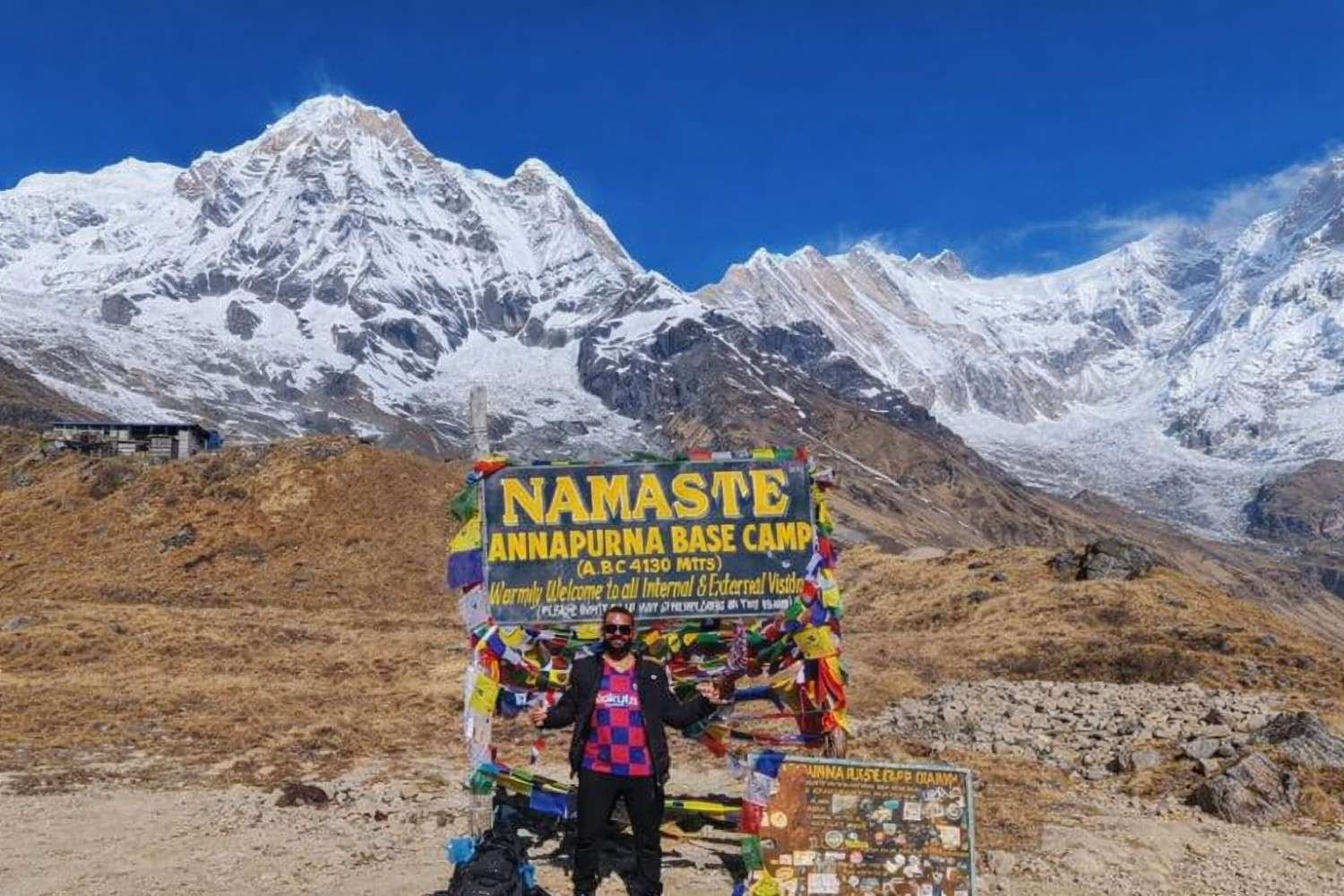
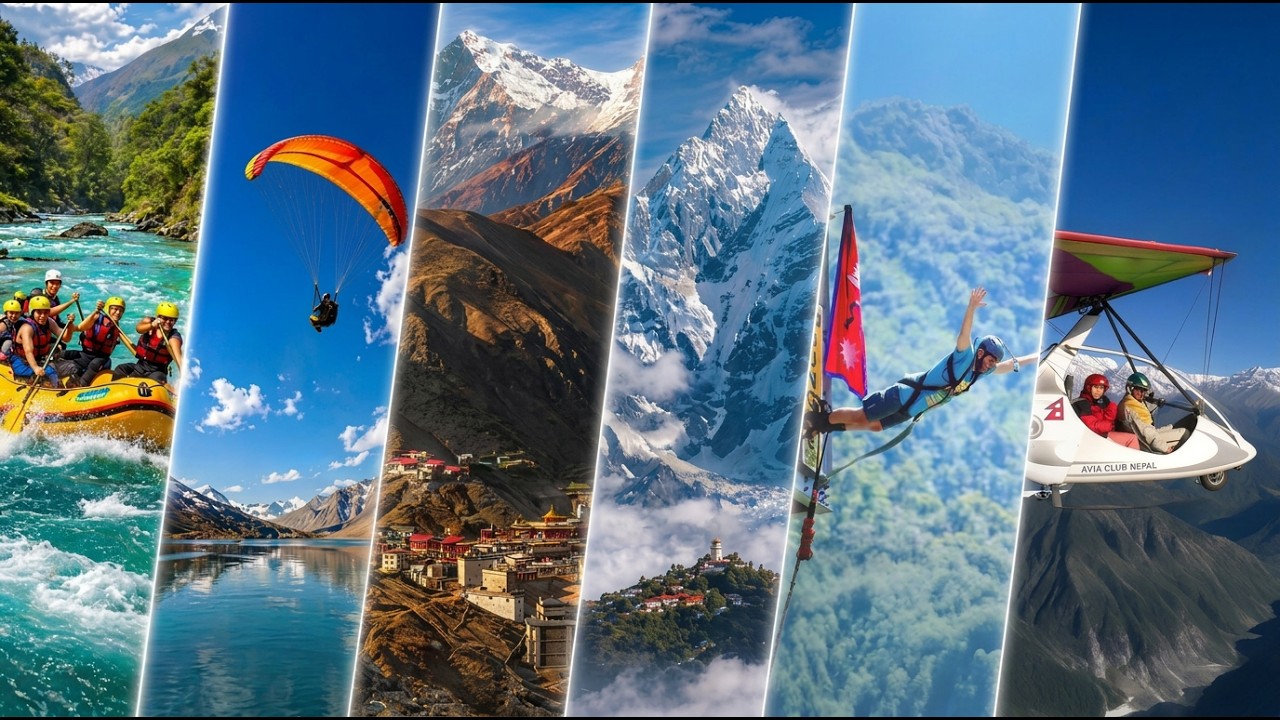
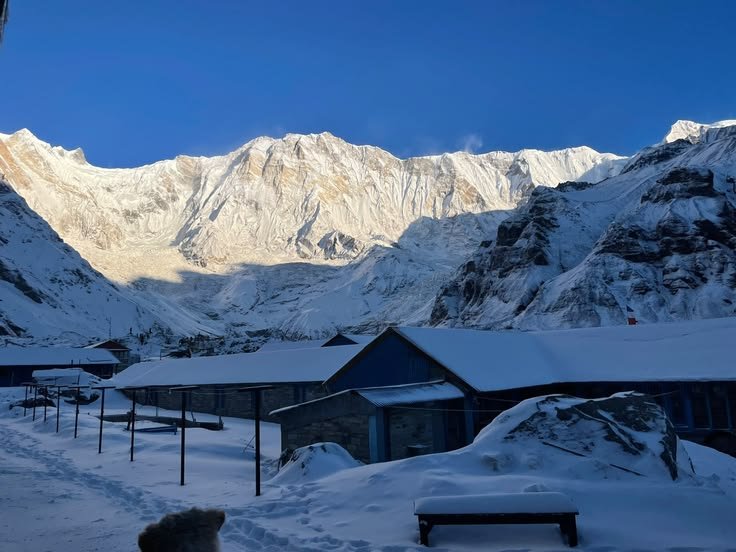
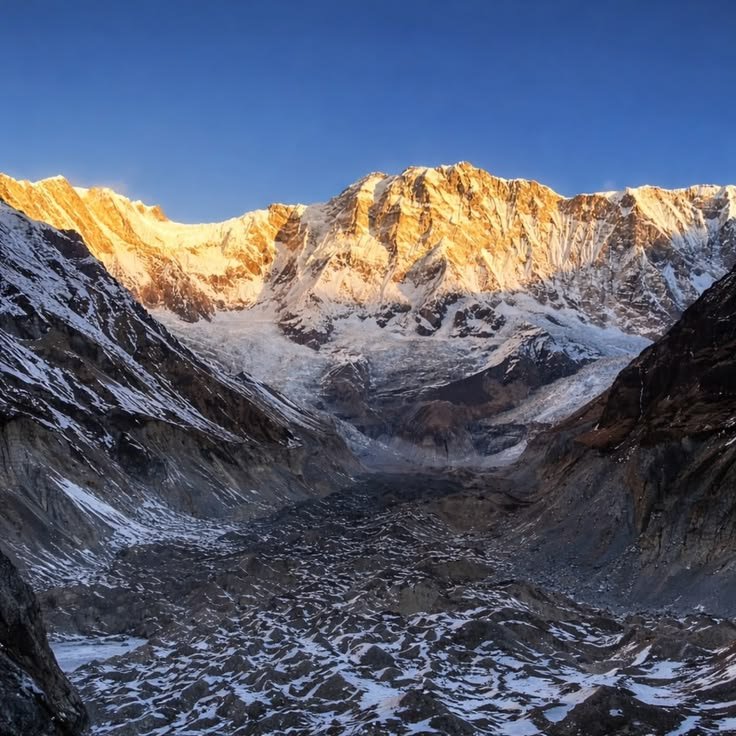
The Annapurna Base Camp Trek is one of the most iconic trekking experiences in Nepal: it provides a trekking experience deep into the heart of the Himalayas. This is a walk that will bring you to an altitude of 4,130 meters, and put you right in the middle of a natural amphitheater that is surrounded by some of the highest mountains in the world. As opposed to many long and distant trails, the route offers the ideal mix of accessibility, adventure, and cultural experience making it an excellent choice among travelers who want to have a complete Himalayan experience. The trek is a combination of scenic drives, forest trails, traditional villages, and high-altitude landscapes.
Landscape and Natural Diversity
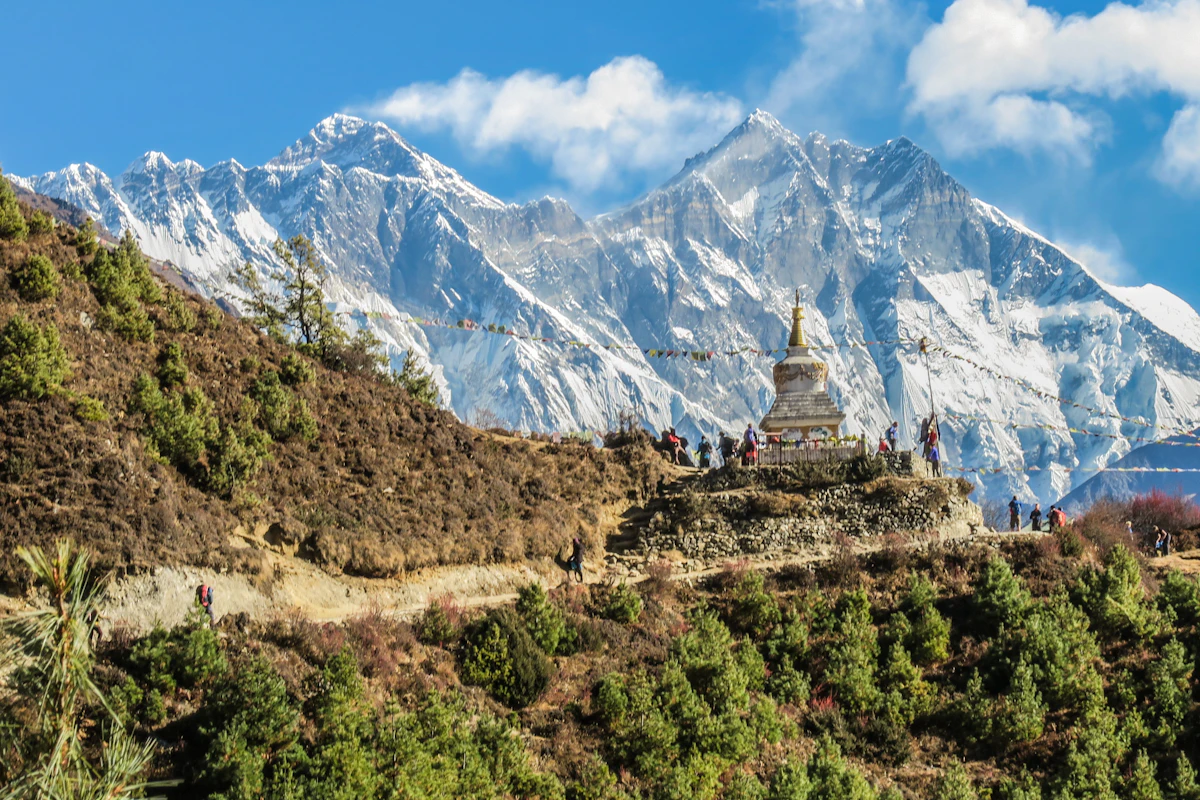
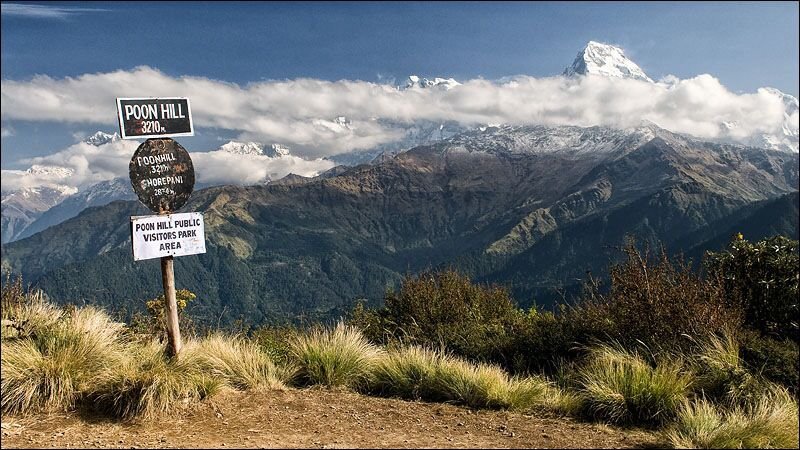
Among the most amazing things about the Annapurna Base Camp Trek is that within a short duration, you get to see the most diverse landscapes. It starts off warm and subtropical with terraced farms and then gradually changes to dense bamboo and rhododendron forests. As you ascend, the environment changes to an alpine type with rocky trails, glacial streams, and snow covered landscape. The ever-shifting nature of the landscape makes the journey exciting and pleasing to the eye. Even the Annapurna Sanctuary is a very special geological feature wherein mountains are soaring around you creating an effect of isolation and grandeur.
Cultural Experience Along the Trail
The walk is not just a walk of nature but also a walk of culture. Such villages as Chhomrong can provide a glimpse of the Gurung community, which is one of the major ethnic communities in the region. The journey is enhanced by their way of life, custom and attachment to the mountains. You will observe traditional houses, local forms of farming, and daily life of remote mountain settlements. Mingling with the locals, even in minor ways, will improve the overall experience and will provide you a better idea of what life in the Himalayas was like.
Physical Challenge and Preparation
The Annapurna Base Camp Trek is a physically fitness activity that needs a good level of fitness. Daily trekking is 57 hours of walking time, usually on uneven surfaces that have steep ascents and descents. Stone steps, particularly those in the areas surrounding Chhomrong can be physically challenging. It can make a great contribution to your experience to prepare your body before the trek with regular walking, cardio activities, and stamina training. The trick to getting through the trek without any problems is to keep a steady pace and have your body get used to it.
Altitude and Safety Considerations
One of the most critical aspects that one needs to consider when making this trek is the altitude. When you reach an altitude of over 3,000 meters, the air is thinner and it takes time to adjust my body. The risk of altitude sickness is moderate, but its management can be performed by staying hydrated, eating properly and avoiding the rapid altitude. It is essential to be able to recognize the early symptoms and act accordingly in order to be safe. It is strongly suggested that travel insurance that covers high-altitude trekking.
Food and Accommodation Experience
The Teahouse Trekking is a significant component of the Annapurna Base Camp experience. These lodges offer simple accommodation and food, which forms a simple but comfortable ambience. Food is healthy and is meant to give them energy to trek, with the most common and consistent one being dal bhat. Higher up, the facilities become simple yet they cater to the basic needs. The common dining areas also provide a chance to get to know other trekkers and exchange experiences.
Best Season to Trek
Choosing the right season can greatly impact your experience. The best period is in autumn (October-November) because of the clear skies and stable weather which provides great mountain views. The spring (March-May) is also a very popular time due to rhododendron forests that are in blossom and moderate temperatures. The winter is less ideal and is less noisy, whereas the monsoon season is not so ideal, because of rain and poor visibility.