Introduction to Ghorepani Poon Hill Trek
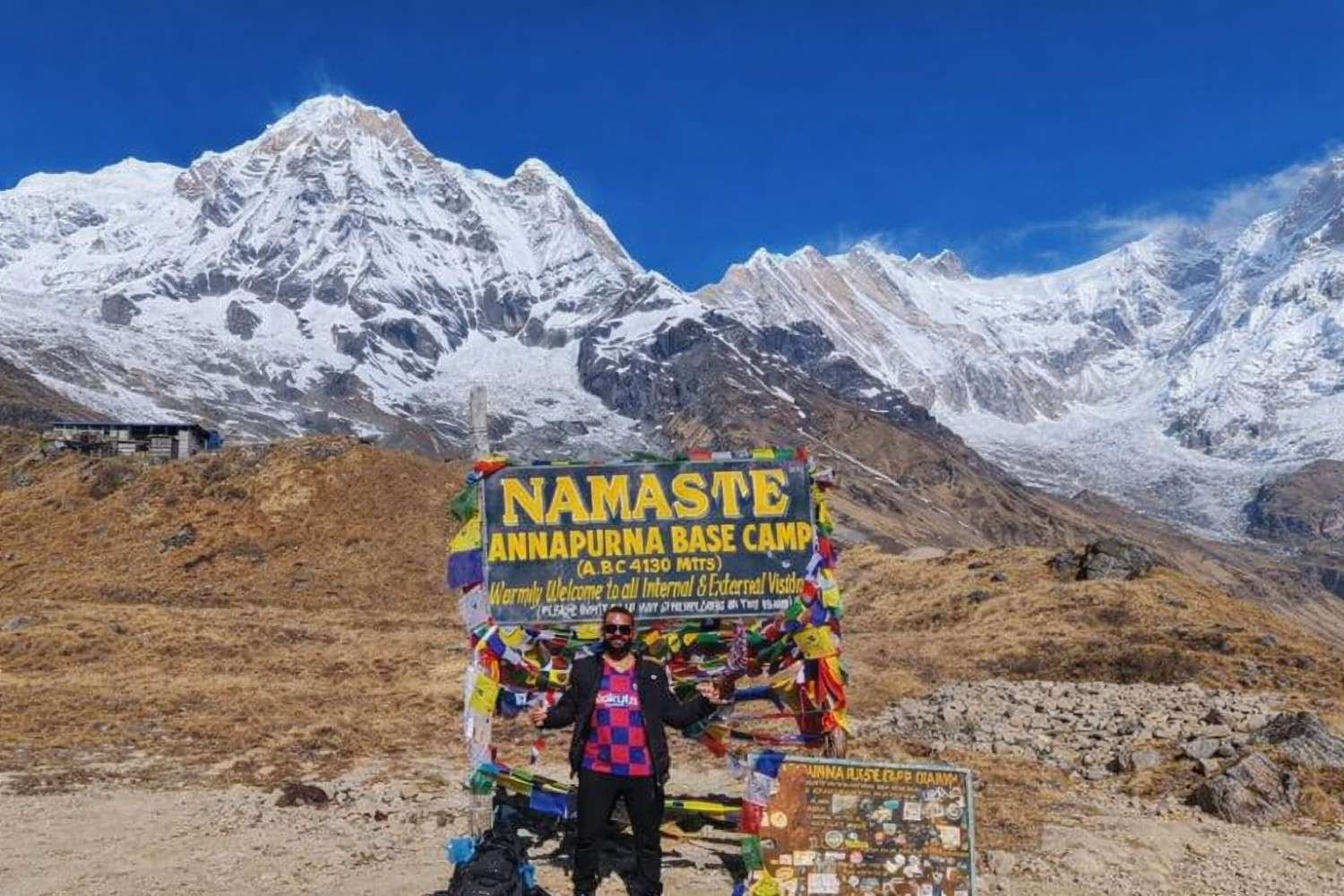
The Ghorepani Poon Hill Trek is one of the most common short trekking routes in Nepal, which provides a perfect blend of the Himalayan scenery, cultural immersion and moderate physical challenge. The trek, in the Annapurna region, is the best trek to undertake by a traveler who wants to experience the beauty of the Himalayas without committing to long or high-altitude treks. The trail is well developed, secure and reachable, and can be selected by beginners and experienced trekkers who want to enjoy a shorter adventure.
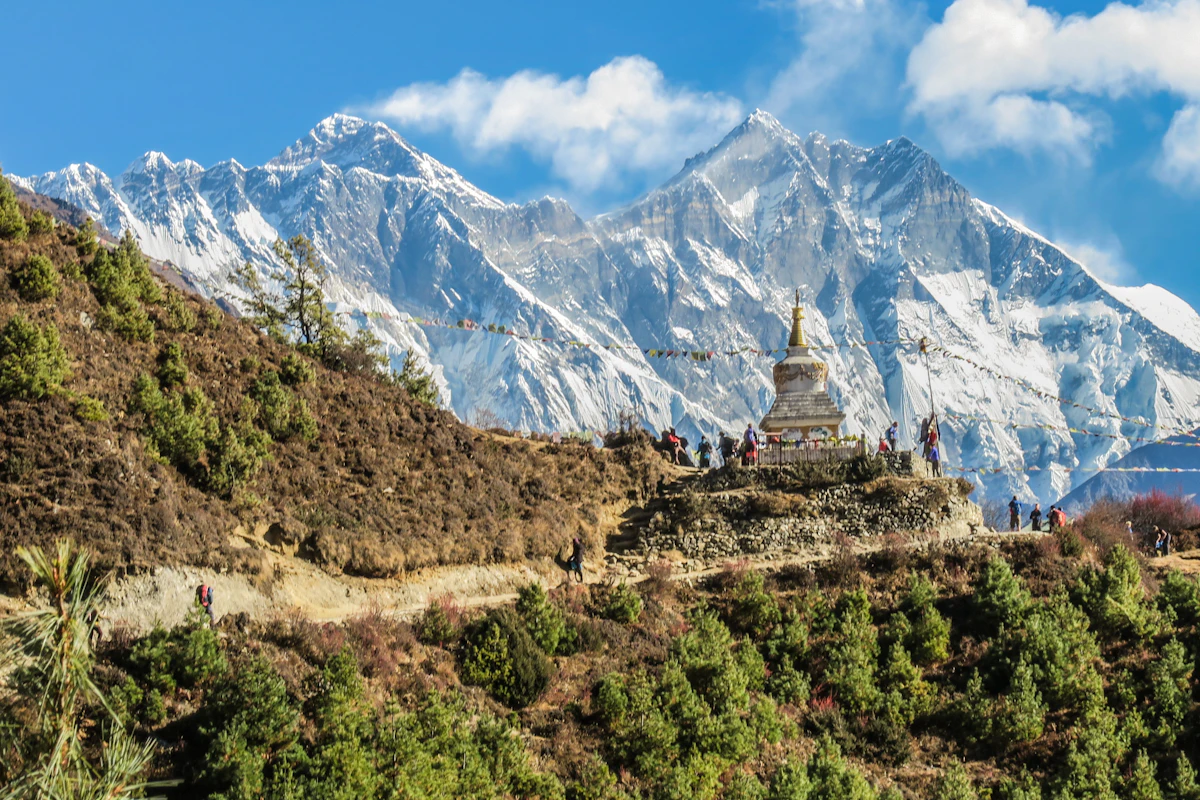
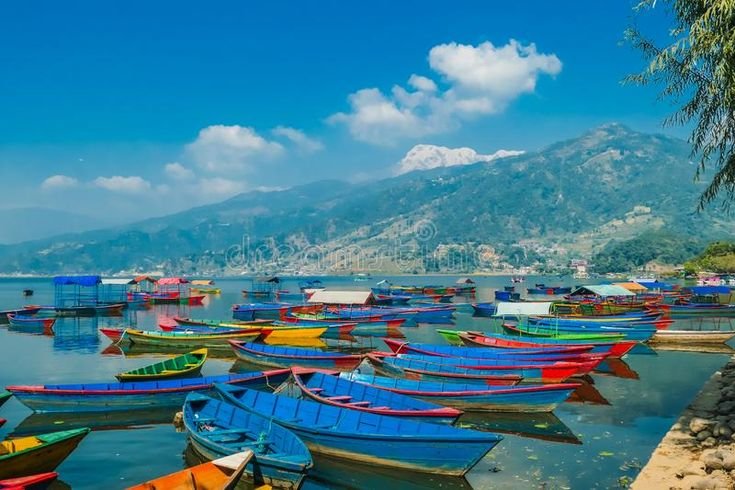
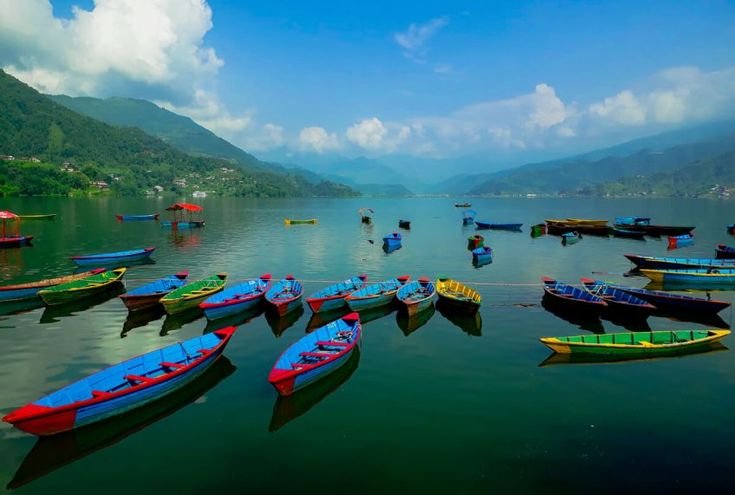
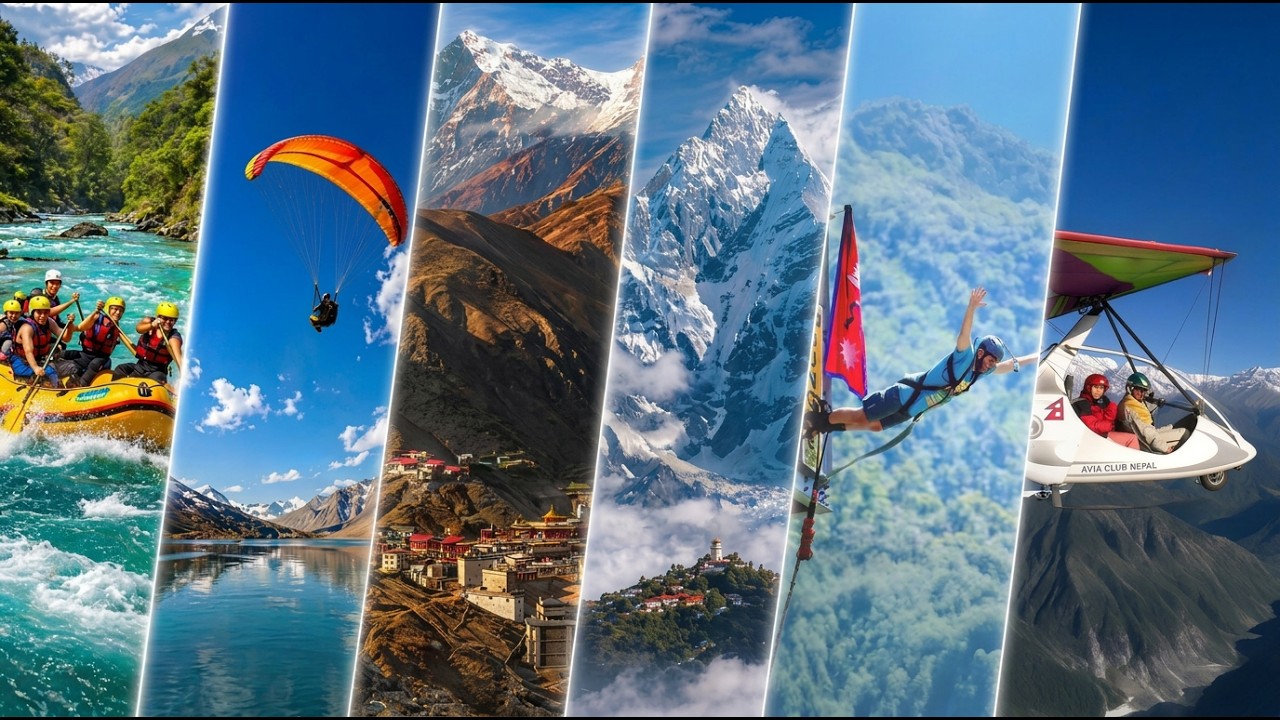
The Poon Hill Trek is unique in that it is diverse. In a few days travelers go out of large cities to lakes and then to deep in the forest mountain villages where there are snow capped mountains and forests. It is not only a walk about the beautiful scenes of Nepal but also about the learning of rural life, the local customs and the natural environment of Nepal.
Why Choose Ghorepani Poon Hill Trek
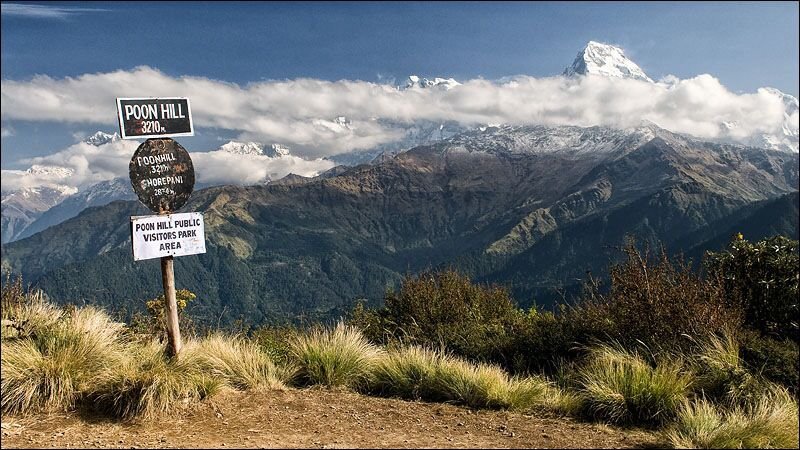
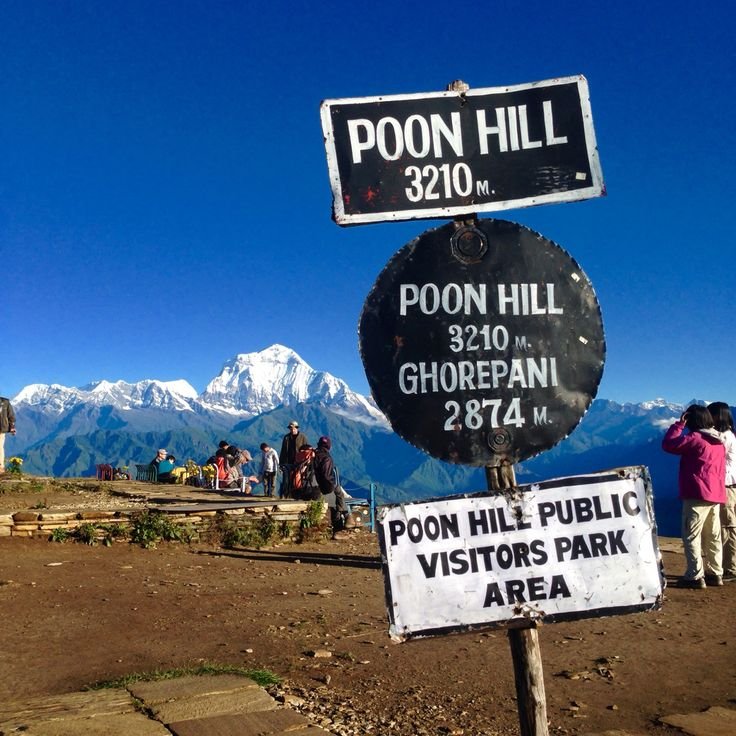
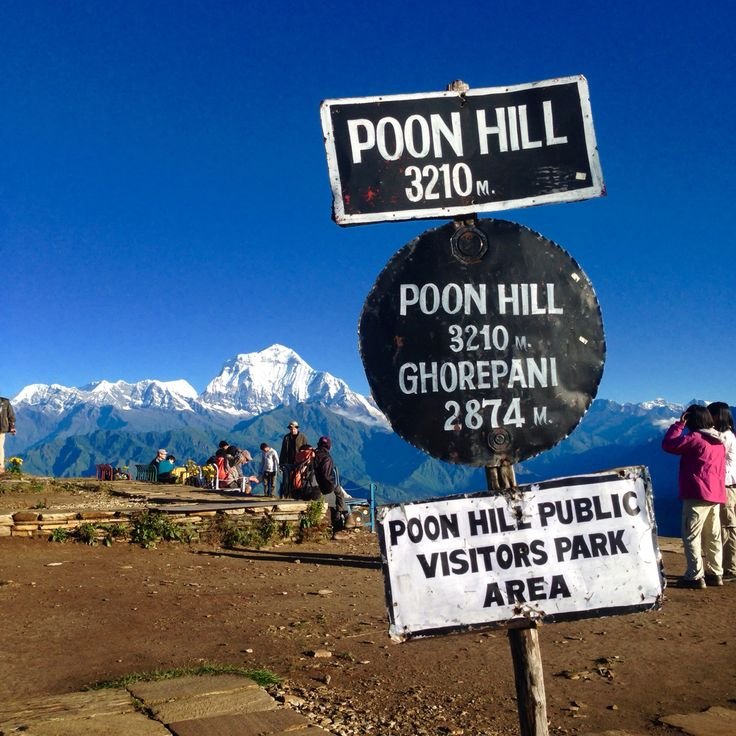
The Ghorepani Poon Hill Trek is frequently suggested on the grounds that it provides a full Himalayan experience within a short period of time. In contrast to more challenging and arduous treks like Everest Base Camp or Annapurna Circuit, this trek does not involve extreme fitness and prolonged acclimatization. The highest point is 3,210 meters, which is very much lower as compared to the risk of altitude sickness and still has the best mountain scenery.
The other significant benefit is that the trail is easily accessible. Beginning with Pokhara, the trek is easily accessible and reachable within a few hours of travel making logistics easy and efficient. The fact that teahouses are available along the way means that accommodation and food can be easily obtained and that one does not have to carry heavy camping gear. It appears that Ghorepani Poon Hill Trek is a viable and comfortable alternative to numerous travelers.
Best Time for Trekking to Ghorepani
The most important tip in the Ghorepani Poon Hill Trek is to choose the right season that will give the best experience. Autumn (October to November) and spring (March to May) are the seasons that are most recommended. The weather is predictable and the skies are clear with mountain views being at its best.
The spring is especially beautiful since the rhododendron forests are in full blossom and in a variety of colorful flowers, which makes the trek especially attractive. Autumn, however, provides clear and fresh air with great visibility, thus making it perfect in photography and panoramas. Winter can also be considered though it can be cold whereas the monsoon season (June to September) is less recommended due to rain, slippery trails and poor visibility.
Route and Trekking Experience
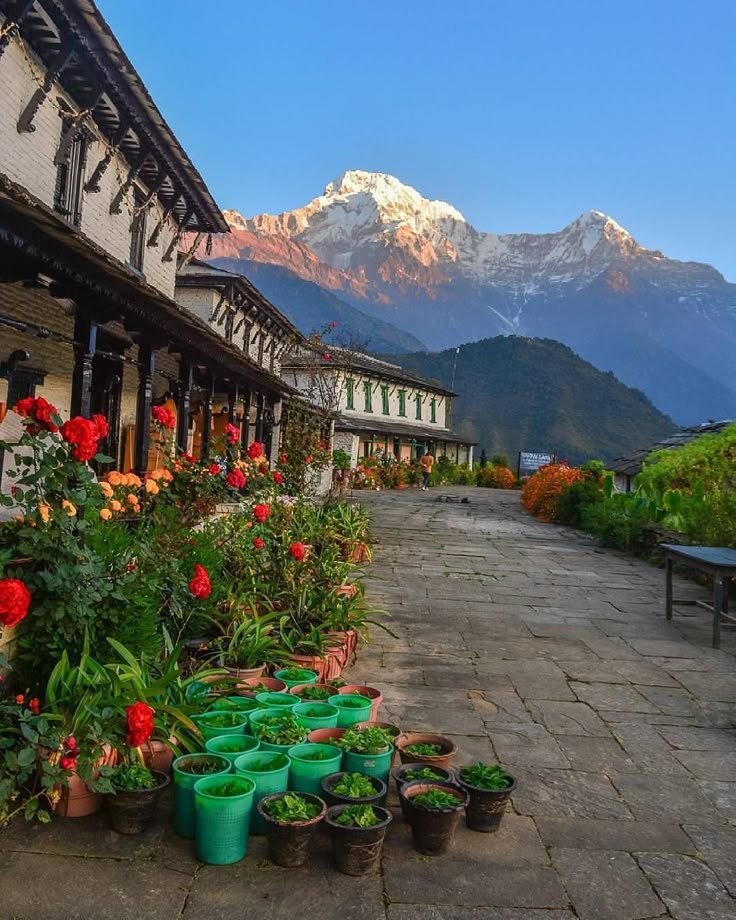
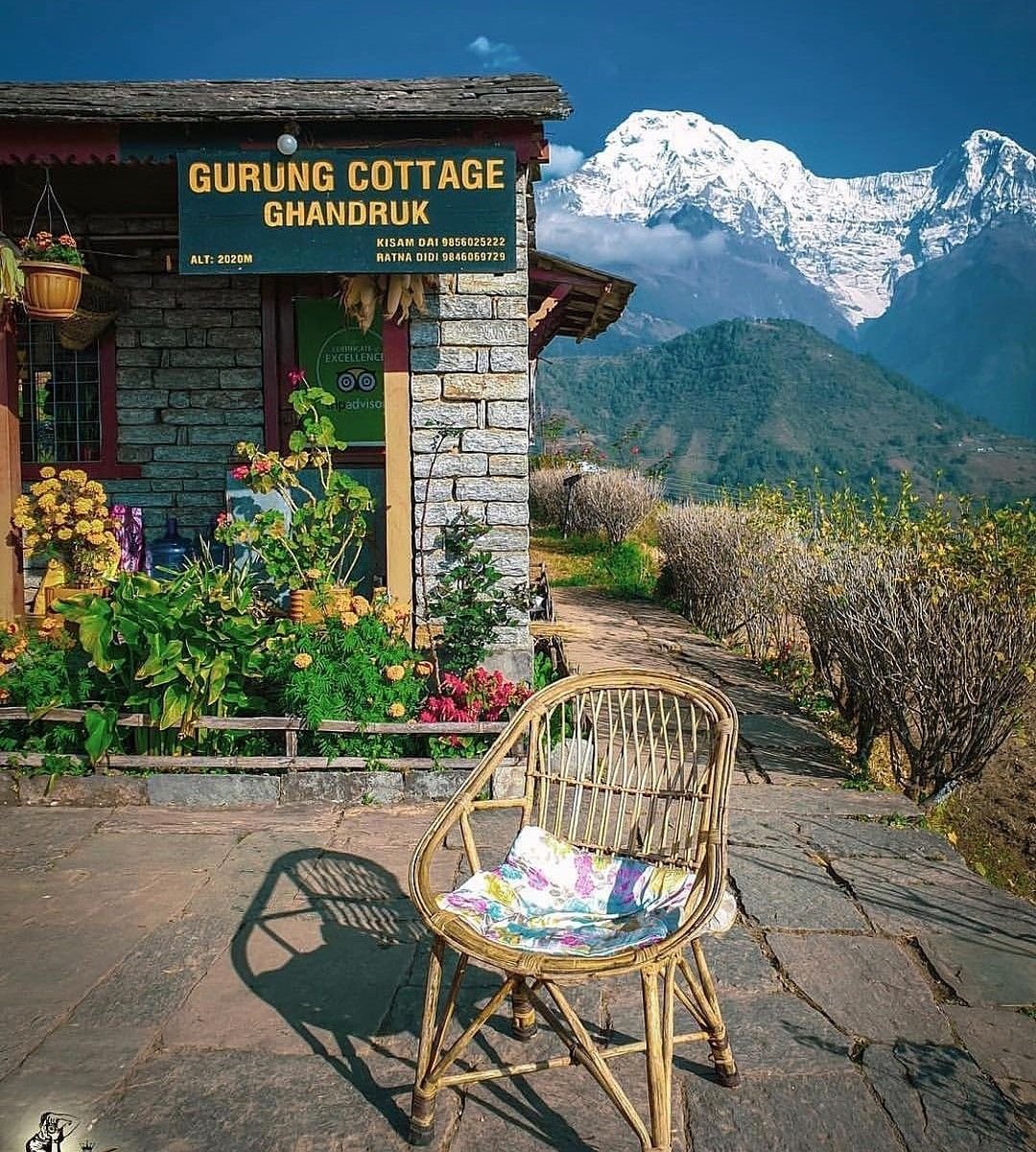
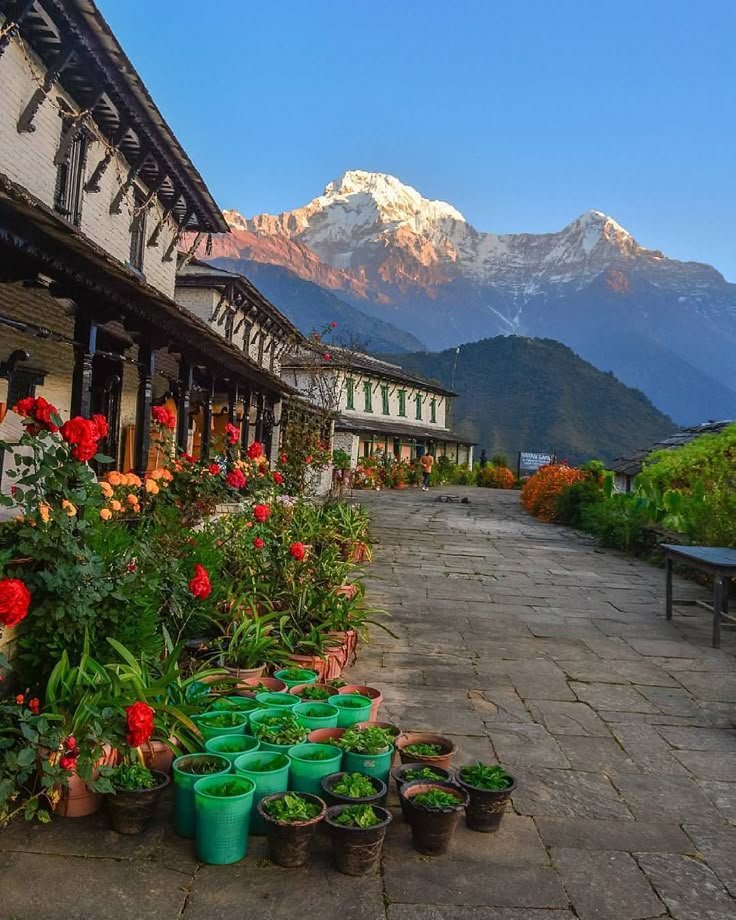
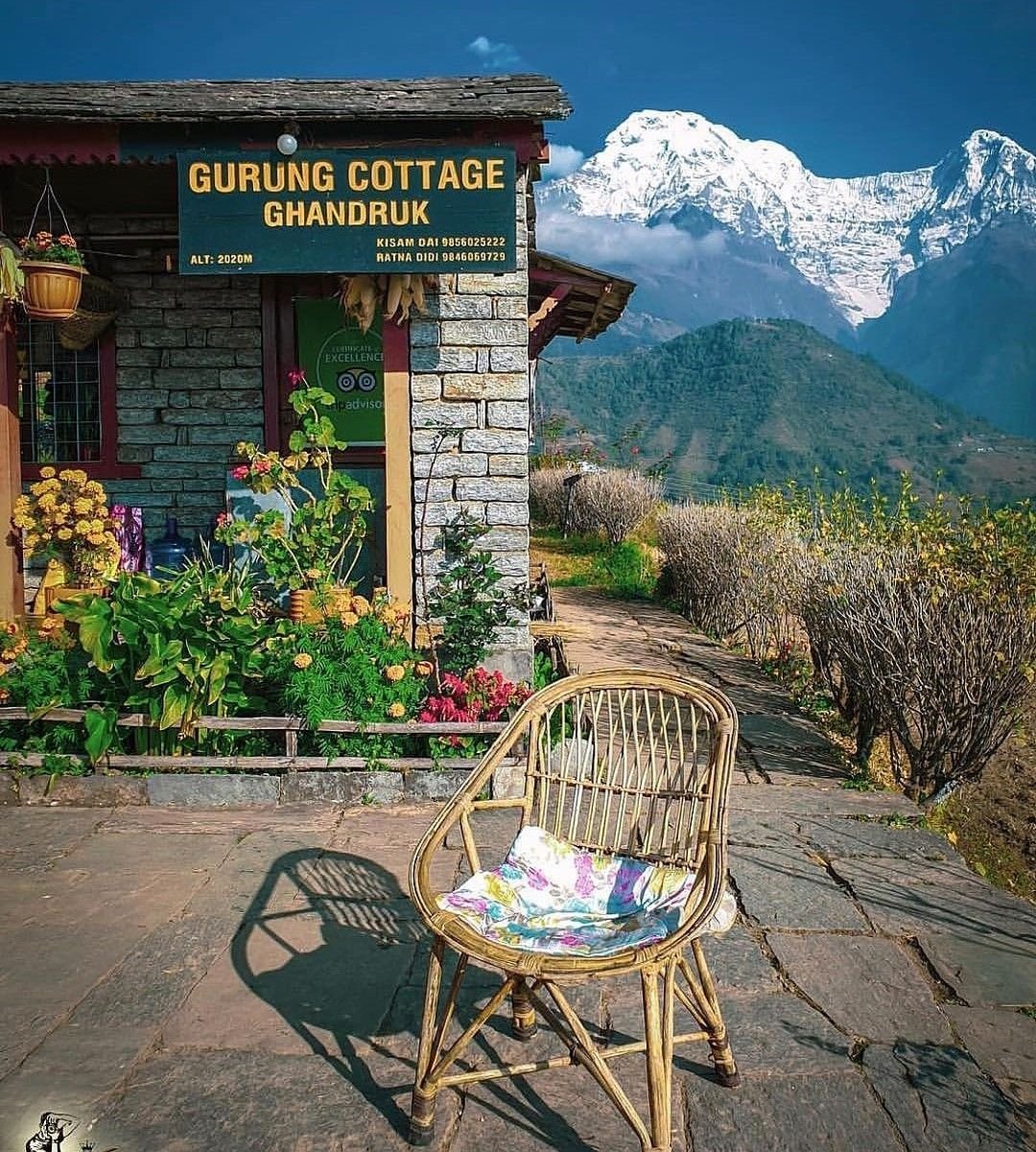
The Ghorepani Trek generally starts out of Pokhara and travels through Banthanti, Ghorepani, Tadapani and Ghandruk. The trail features a combination of stone steps, forest paths, and ridge walks, and it provides a diverse experience of trekking. The rhododendron forest is one of the distinguishing marks of this trek and it provides a serene and picturesque ambiance to the trek throughout the journey.
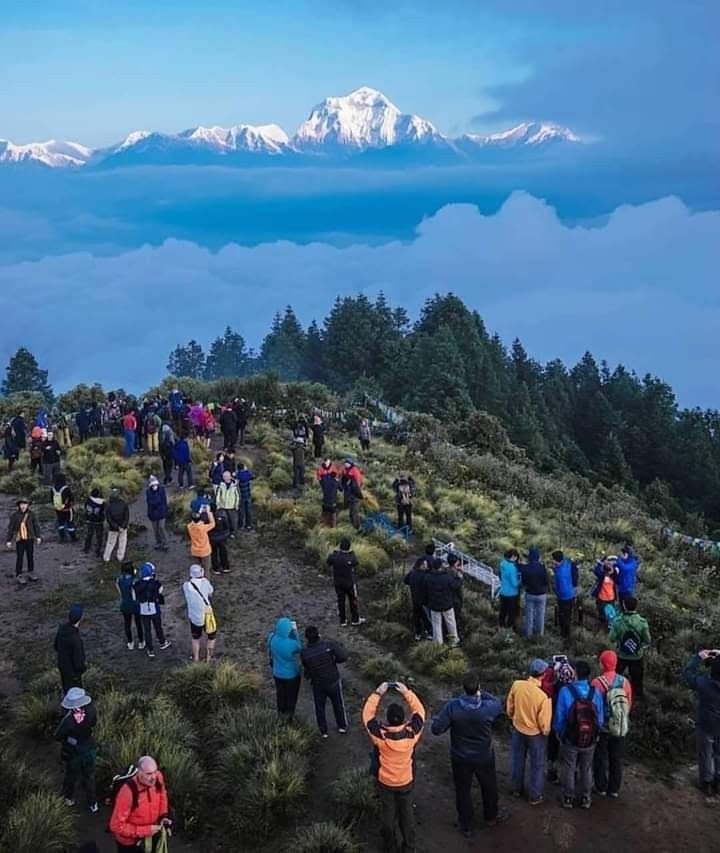
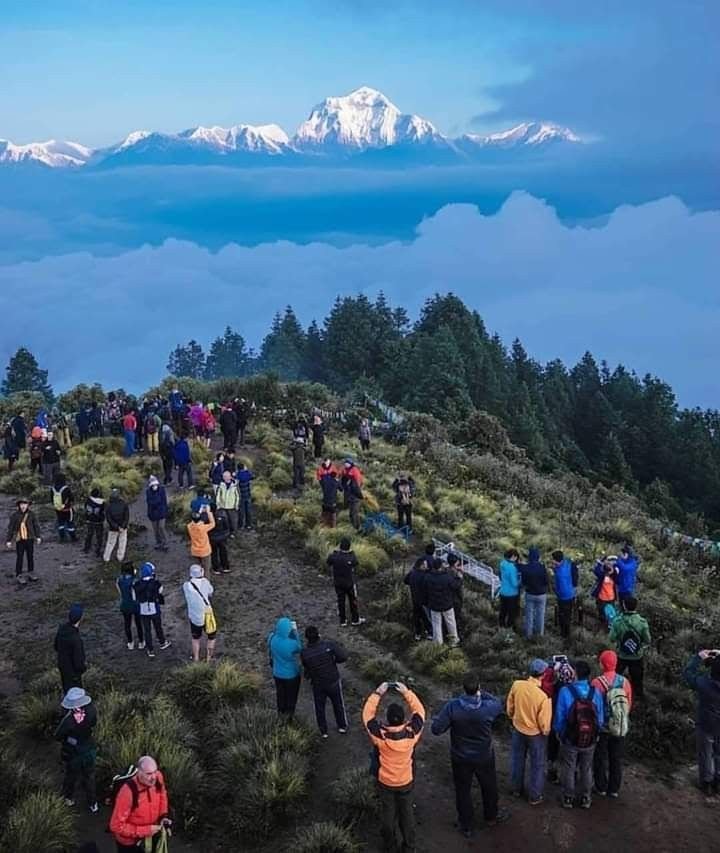
The most recognizable scene of the trek is the hiking in the early morning to Poon Hill. This is a short but rewarding climb, which results in a viewpoint, where trekkers can see a breathtaking sunrise over the mountain ranges of the Annapurna and the Dhaulagiri. Most of the peaks in the panoramic view include Annapurna South and Machapuchare and made it one of the most photographed places in Nepal.
Challenges Level and Physical Preparation
Ghorepani Poon hill trek is said to be a medium grade trek, which is suitable to individuals with average fitness levels. The average length of daily walk is between 4 and 6 hours, with some up hill climbs and stone stairs. Although the trek is not necessarily a challenge, it should be well prepared to make the trek comfortable and enjoyable.
The endurance can be greatly enhanced by simple fitness exercises like walking, jogging or light hiking prior to the trip. It is also essential to keep a moderate speed in the hike and keep hydrated. As the altitude is not very high, the chance of altitude sickness is not high, yet gradual ascent and taking rest is still recommended.
Food and Accommodation
The fact that accommodation in teahouses is available along the route is one of the strengths of the Ghorepani Poon Hill Trek. Basic yet comfortable rooms are offered by these lodges, typically with twin beds and common amenities. There are also lodges in lower areas that might have more modern facilities including hot showers and WiFi.
Food choices are also varied and can include both Nepali cuisine like dal bhat and international food such as noodles, pasta and soups. Food is healthy and aimed at giving power in trekking. Although the menu gets simpler with increase in altitude, it still satisfies the demands of the majority of travelers.
Permits and Regulations
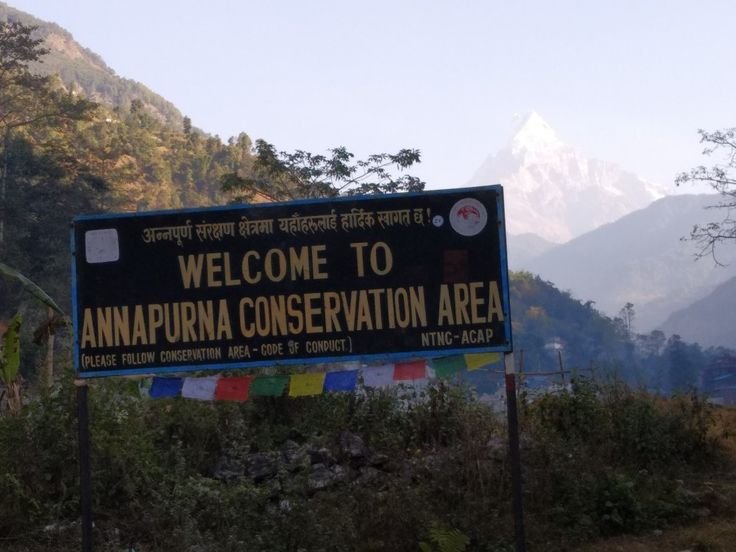
There are two main permits that trekkers require to undertake the Ghorepani Poon Hill Trek which include the Annapurna Conservation Area Permit (ACAP) and the TIMS (Trekkers Information management system) card. These field permits are needed to sustain the conservation area and to keep trekkers safe.
The majority of trekking packages contain these permits and hence the process is trouble free. These documents should be carried all the time during the trek as they might be inspected at different points in the route.
Traveler tips (practical)
With the right preparation, your Poon Hill Trekking experience can be greatly enhanced. It is important to pack necessities like comfortable trekking shoes, layered clothing, a reusable water bottle and basic medical supplies. The weather may shift rapidly hence one should be ready to face both the warm and cold weather.
Also, it is recommended to have some cash, because the ATMs are not present in the trekking spots. It can be easier and more educational to be guided or hired a porter, particularly when the trekker is a first time trekker. Finally, being sensitive to local culture and the natural environment can be used to make the process of travelling responsible and enjoyable.