Introduction to Tilicho Lake Trek
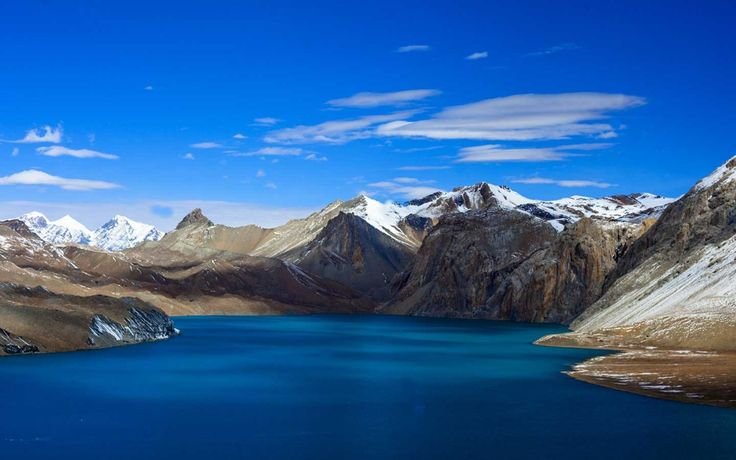
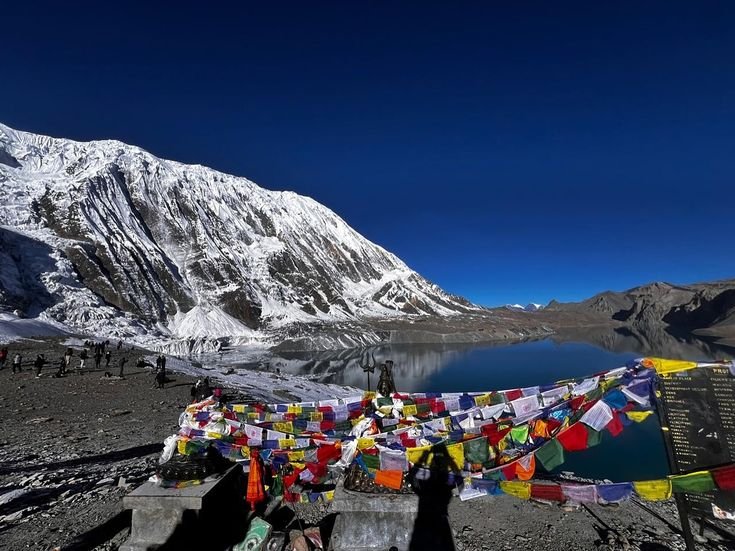
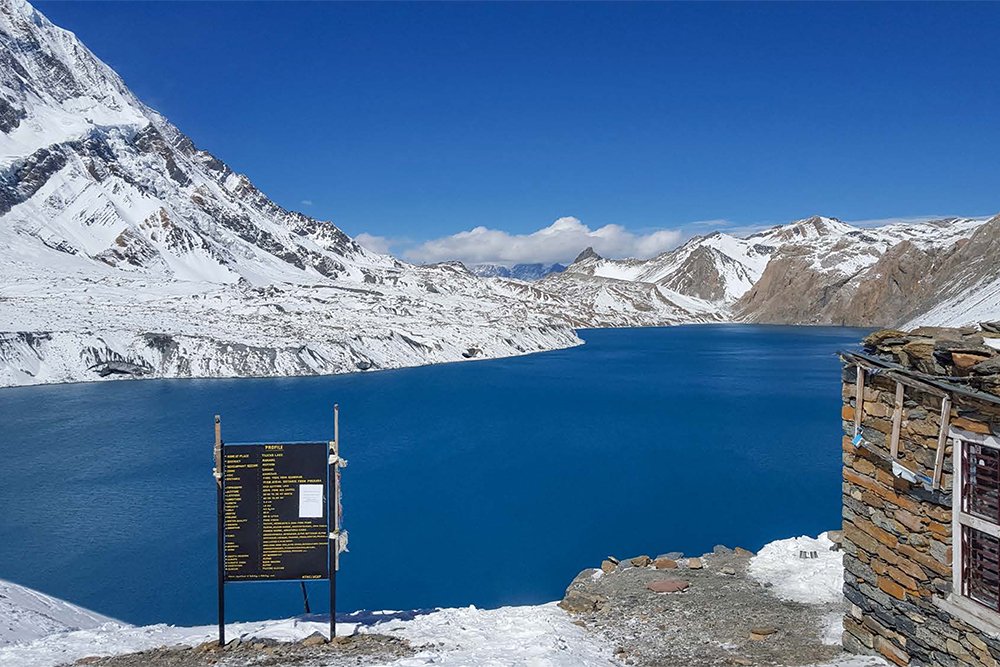
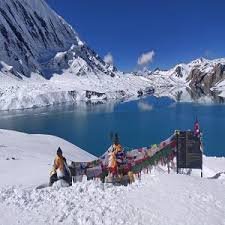
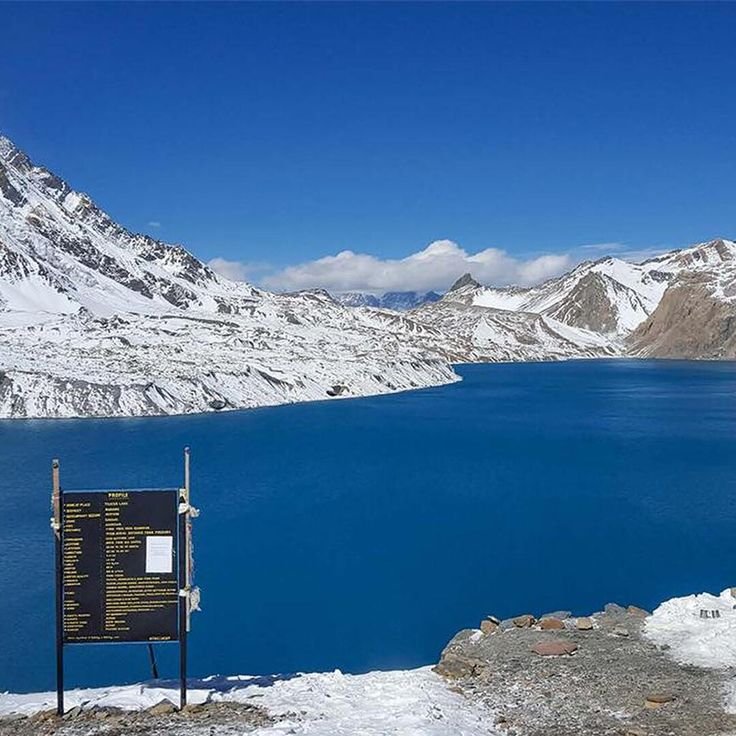
Tilicho Lake Trek is one of the most beautiful and challenging treks in the Annapurna region of Nepal. Tilicho Lake is situated at 4,919m and is regarded as one of the highest lakes in the world and is a popular destination for trekkers from all over the world who want to immerse themselves in a challenging yet rewarding Himalayan experience, and to enjoy dramatic landscapes. It is an unforgettable journey with stunning mountain scenery, remote valleys, ancient villages in the Himalayas, Buddhist culture and rugged alpine terrain. Tilicho Lake Trek is not just about gazing at the mountains from a distance; it is a comprehensive journey through the Himalayas, with its landscapes, cultural experiences, and high-altitude adventures.
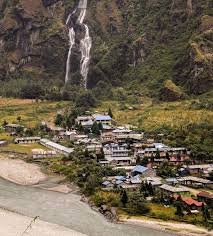
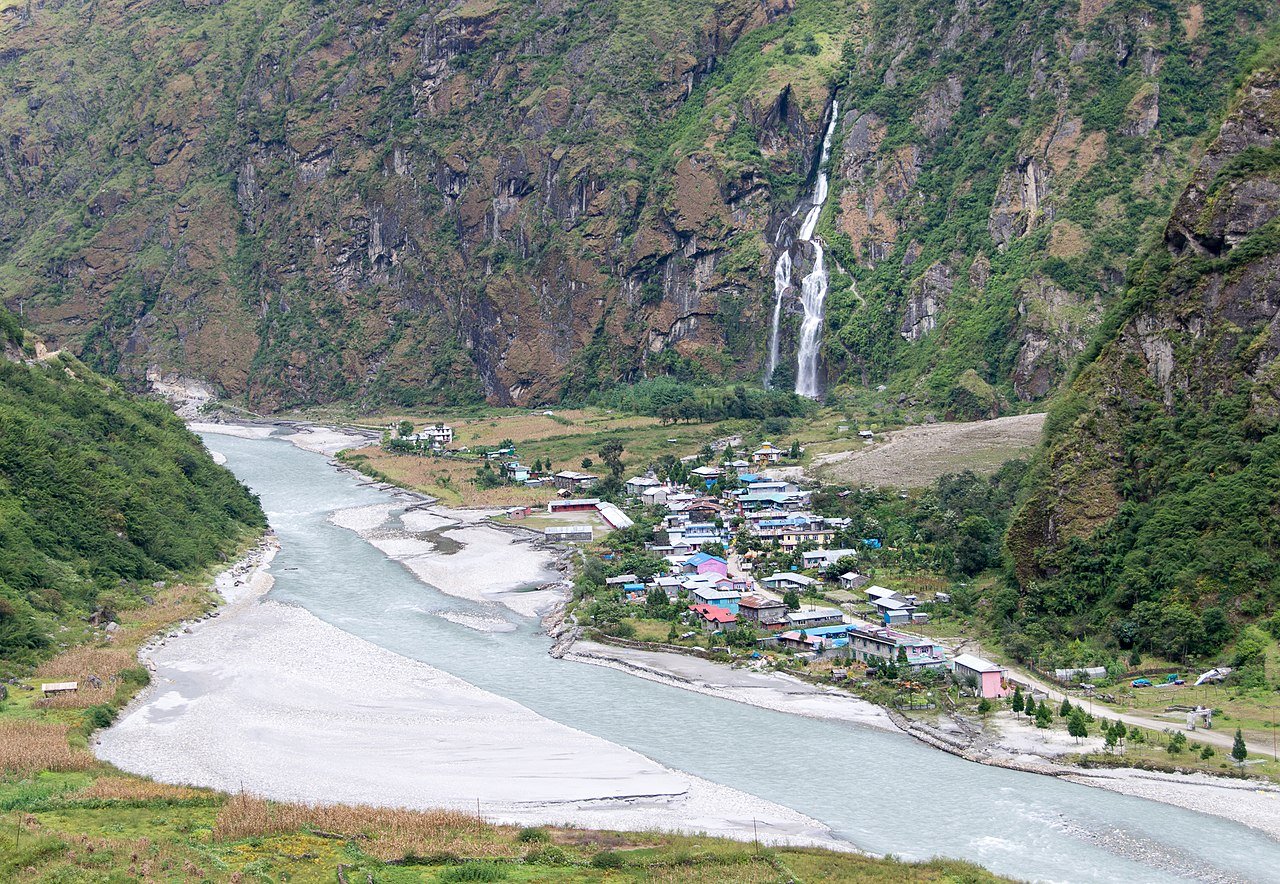
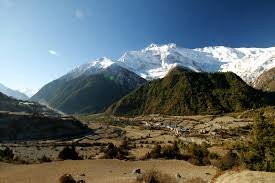
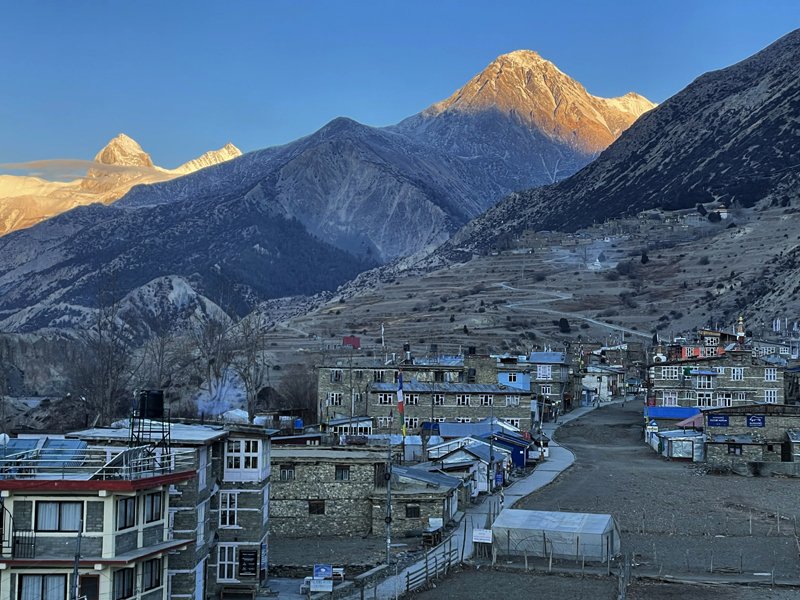
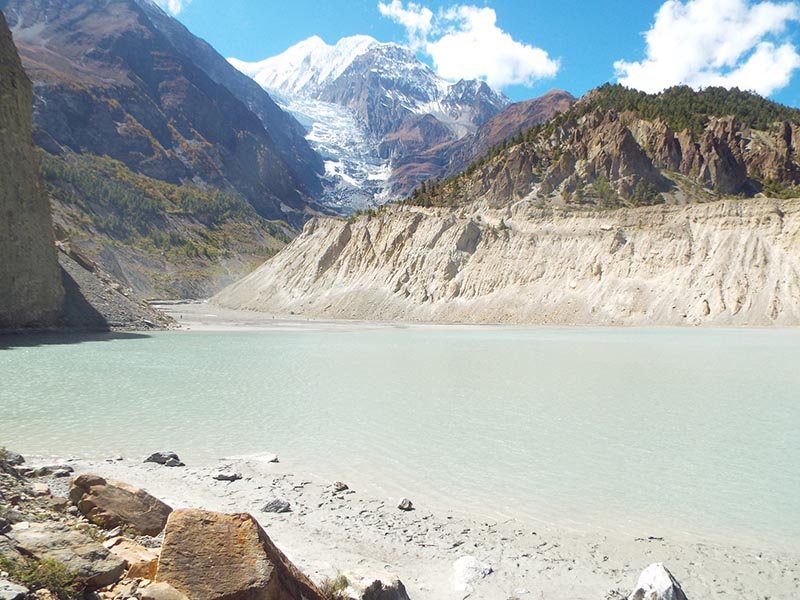
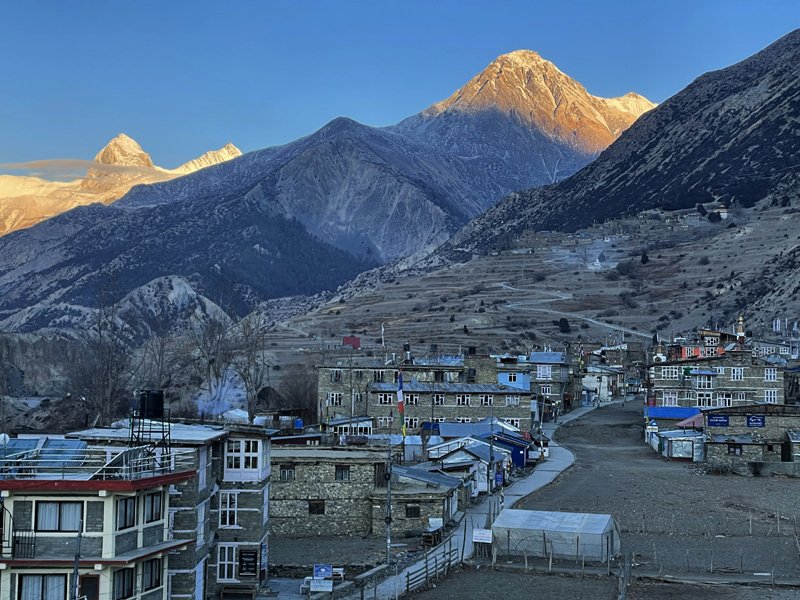
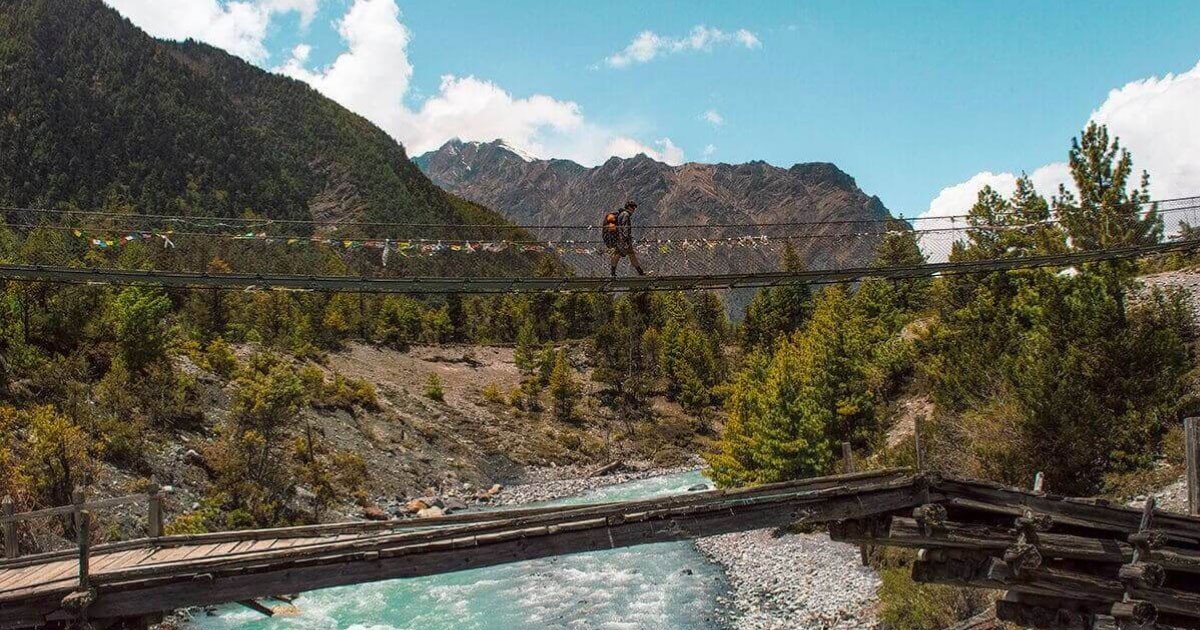
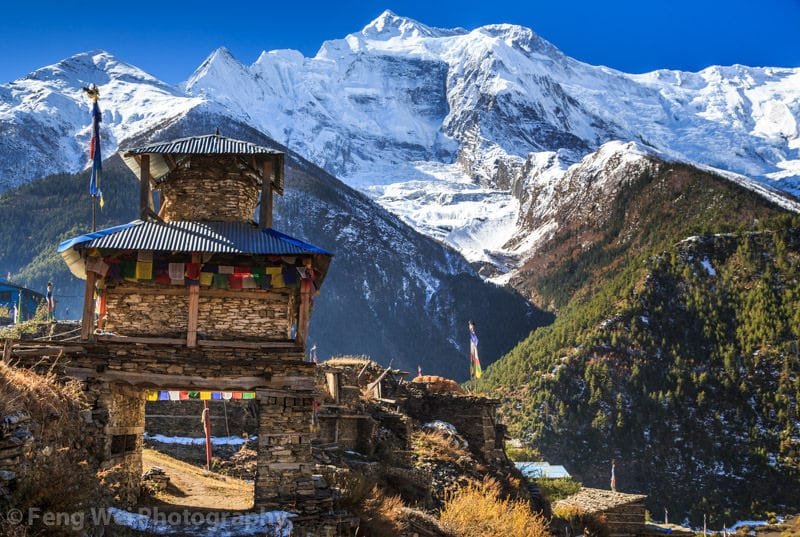
The trek is a stretch of the renowned Annapurna Circuit where after it meanders to an isolated part of the Tilicho Valley. Over the course of the trek, trekkers traverse through dense forests, waterfalls, suspension bridges, river valleys, rocky cliffs and dry alpine deserts, gradually climbing up to the lake. En route there is a wonderful scenic background of Annapurna II, Annapurna III, Annapurna IV, Gangapurna, Tilicho Peak, Pisang Peak and Lamjung Himal. There are also culturally rich settlements that will be crossed along the trail including Chame, Pisang, Ngawal and Manang, where the trekkers can enjoy the life style and traditions of the Himalayan people.
Tilicho Lake trek is a suitable route for people seeking an adventure trek in Nepal that is challenging but not impossible. The journey goes to high elevations, but there's enough acclimatisation and appropriate ascent to ensure the trekker's safe adaptation. This trek is one of the most rewarding treks in the Annapurna region because of the natural beauty, remote landscapes and cultural richness.
Why Choose Tilicho Lake Trek?
For those who wish to explore the natural beauty and cultural heritage of the Annapurna region but don't want to embark on the Annapurna Circuit Trek in full, Tilicho Lake trek is a great option. One of the greatest attractions of this trail is the chance to trek to the beautiful turquoise-colored glacial lake of Tilicho Lake, surrounded by majestic peaks of snow-covered mountain ranges. The impressive sense of achievement and adventure due to its high altitude and remote location.
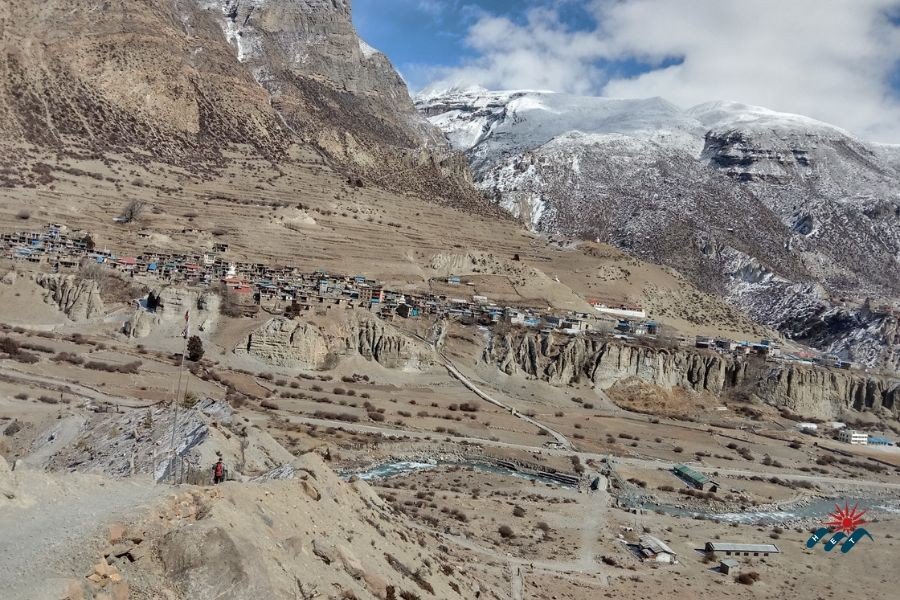
One of the reasons to do this hike is the amazing diversity of landscape you'll see along the way. The route starts in the lower river valley where there is plenty of vegetation and then moves through alpine forests, through rock bands and on to arid high places above 2500 meters. This is the diversity that makes trekking every day an exciting sight to behold. The main trail is also a balance of adventure and comfort, with tea house lodging and food service along the way.
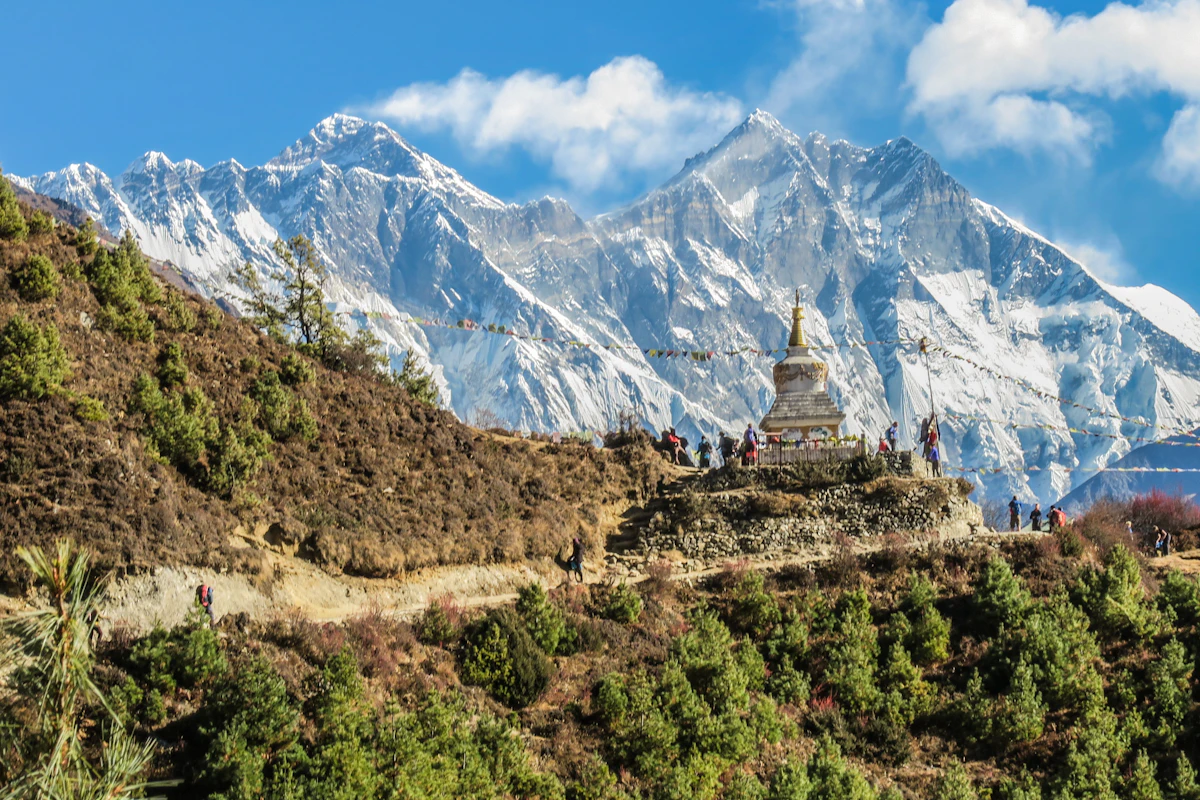
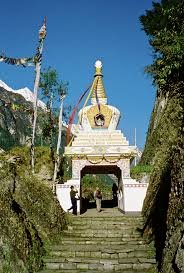
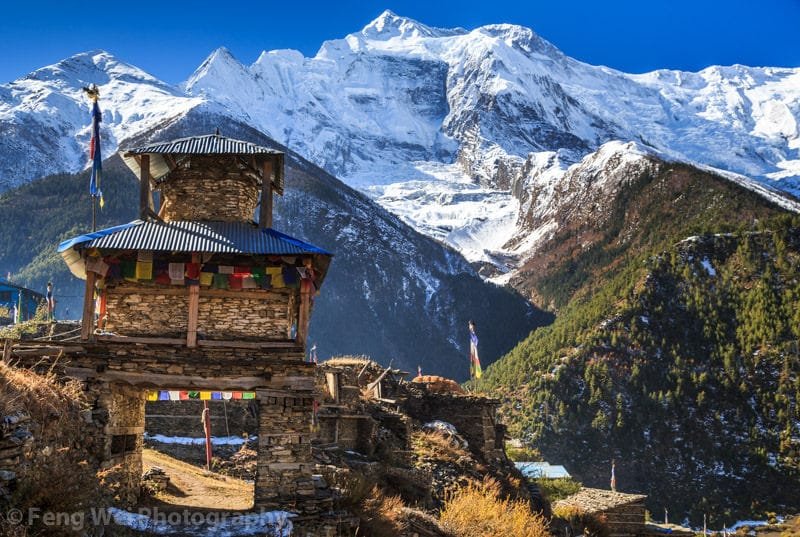
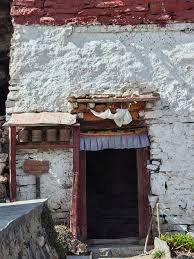
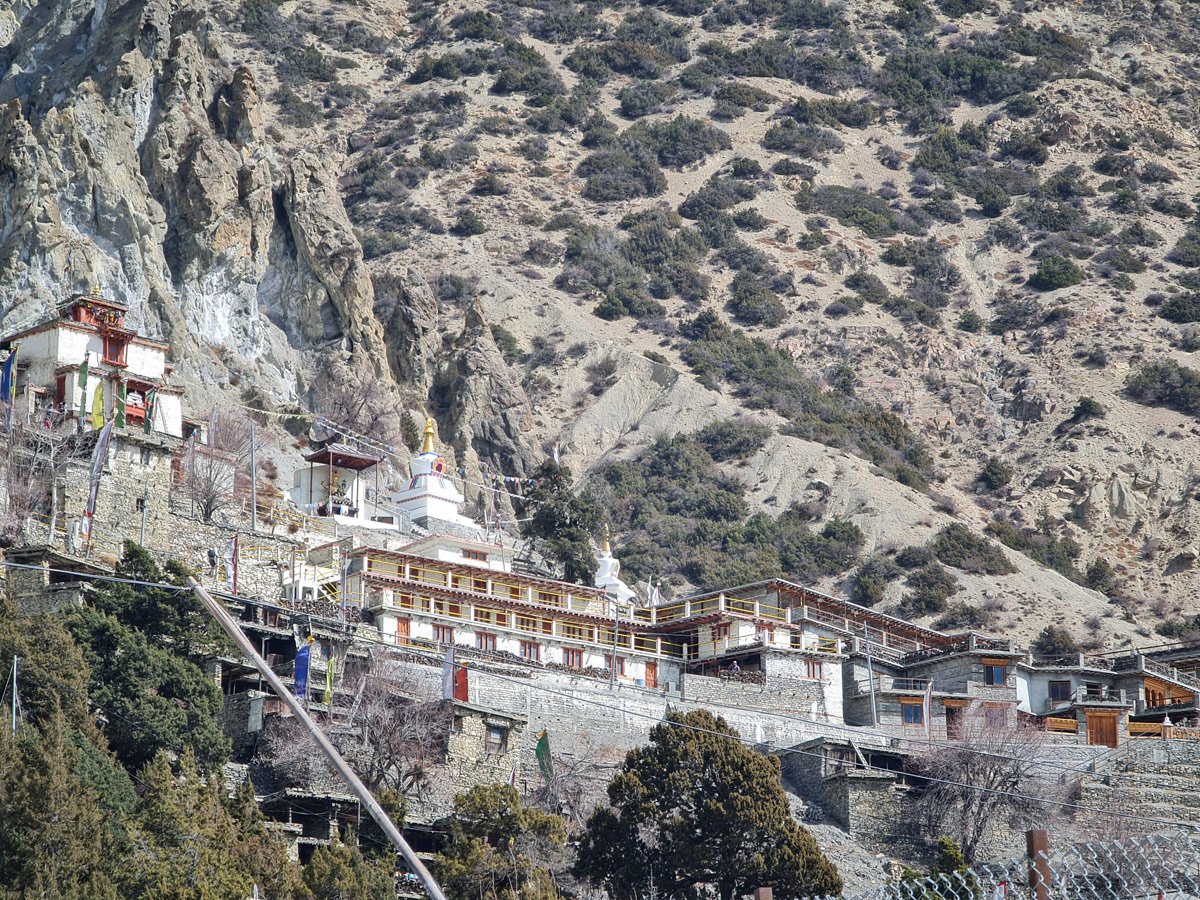
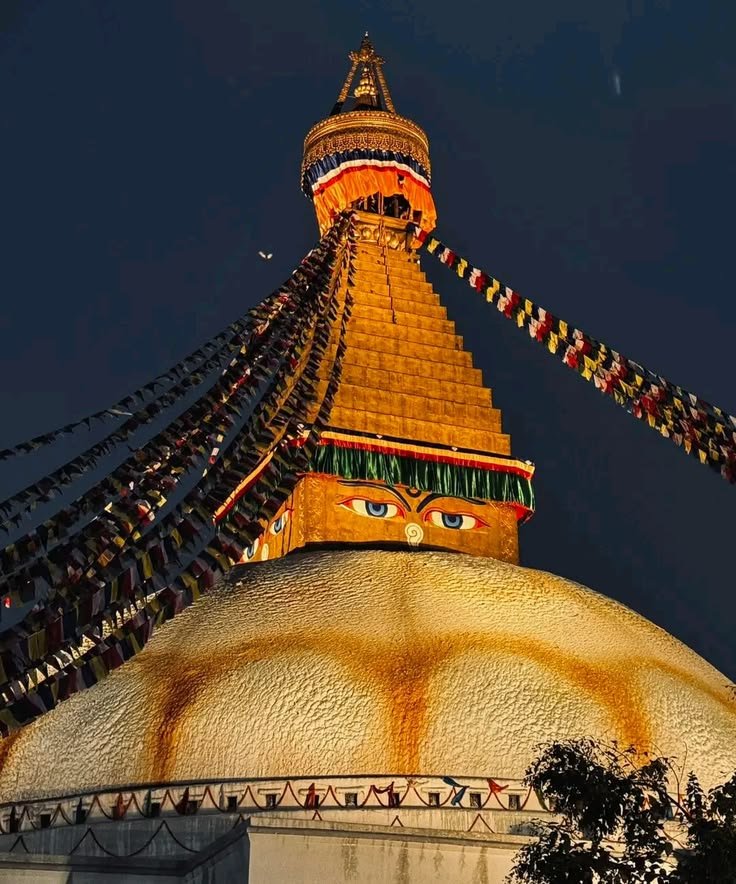
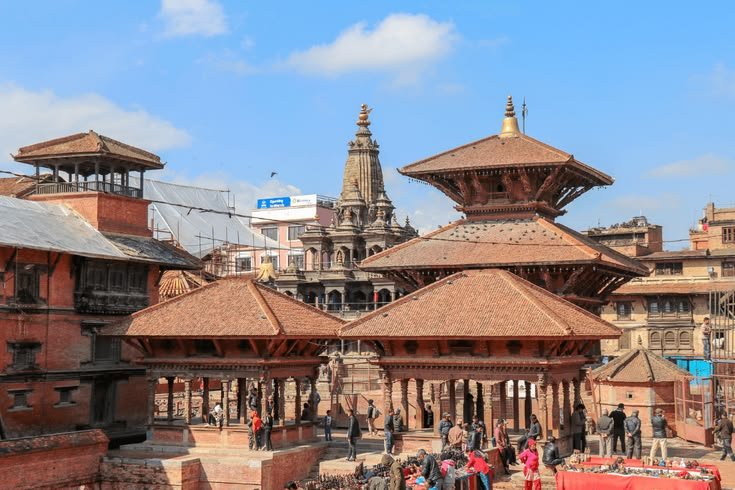
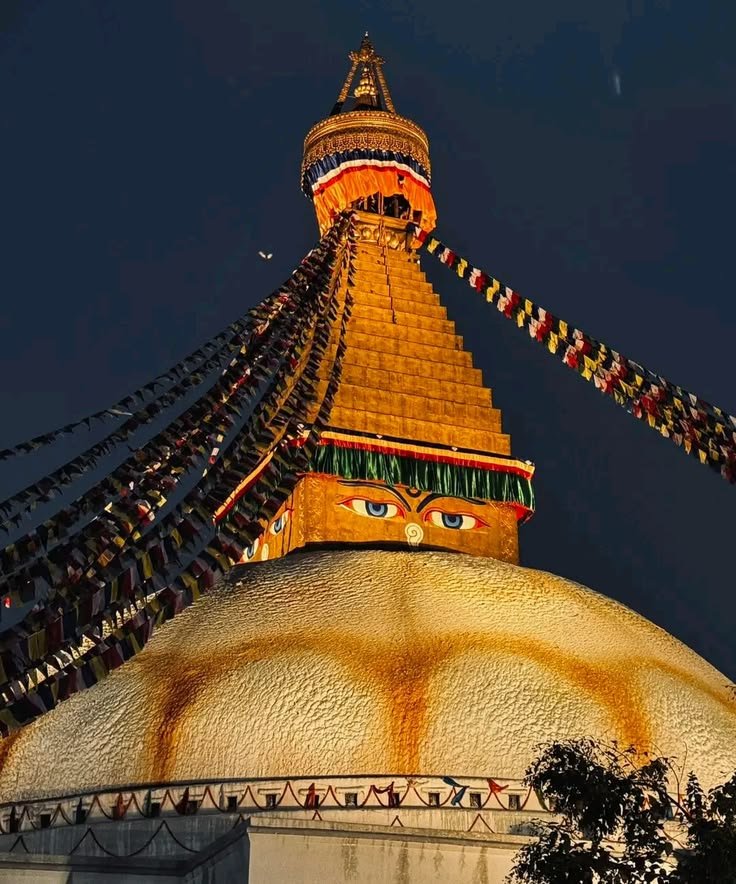
Another highlight of the trek is the cultural experiences that are available. At the villages along the way you can see Tibetan Buddhism and the lifestyle of ancient Himalayan people. The prayer flags and the monasteries, chortens, mani walls and traditional stone houses give the area a special atmosphere of profound spiritual heritage. Aside from the scenic views of the mountains, travellers also get a glimpse into the culture, welcoming nature and life of the local communities.
Tilicho Lake Trek is also suitable for the photographer and nature lovers. The spectacular scenery, glacier valleys, alpine lakes and traditional villages are a never ending source of photo opportunities. In the Annapurna region, the views of sunrise and sunset are particularly beautiful when the weather is clear.
Best Time for Tilicho Lake Trek
Timing is crucial for Tilicho Lake Trek both for safety reasons and the overall trekking experience. The ideal time to make the hike is in the spring and fall, when weather conditions are predictable and mountain visibility is the highest.
One of the most popular seasons to trek in Nepal is the spring season (March, April, May). Temperatures are also moderate during this time and the lower parts of the trail begin to turn shades of color as the rhododendron forests begin to bloom. The weather is mostly calm and clear with very good visibility of the Himalayas. High temperatures permit comfortable trek, low temperatures are still cold but manageable at higher elevations. Spring is the best time of year for trekking in pleasant weather and colourful nature.
September to November is the best time to trek in Nepal. The skies are very clear after Monsoon Rains, and visibility can be the greatest. Fall is an excellent time to view and photograph the mountains, with the views being extremely sharp and beautiful. Dry and stable weather with comfortable day time temperatures continue. Autumn is a busier season to visit Nepal because of the trails' conditions and the festival season.
For experienced trekkers, the winter season (December, January and February) may be possible but it could be very tough with snow and freezing weather. Snowfall could be heavy on higher parts near Tilicho Base Camp and Tilicho Lake, affecting trails. Winter trekking is a process that demands proper gear as well as preparations.
The rainy season (June-August) is not advisable due to heavy rainfalls, slippery trails, landslides, leeches and bad mountain visibility. The rainy season also makes the roads slippery, particularly between Besisahar and Chame.
Difficulty and Fitness Level
The moderate to difficult part of the Tilicho Lake Trek is primarily due to the high altitude and the long trek days. The time it takes to do the trek generally ranges from five to eight hours a day, depending on the track and route. The trail is not technical but good fitness and mental preparation are a must for a comfortable completion.
The high elevation is one of the greatest difficulties on the hike. Above 3,000m, oxygen levels will drop and activities will be more demanding. Even expert hikers will find it hard to walk uphill at higher altitudes. It is important to pace oneself, stay hydrated and acclimatized throughout the trip.
It helps to get physically ready for the trek. Walking, stairs, jogging, biking and cardio classes are all great for endurance and stamina building. It is best to develop your body for the trek some weeks before you reach Nepal. Great leg muscles and cardiovascular fitness will make a trek a more comfortable and less fatiguing task.
Preparing the mind is also crucial. Sometimes physically and mentally challenging with changing mountain environments, long walking hours, basic accommodation and weather conditions. But, with proper care and planning, most trekkers successfully reach at the end of the journey and enjoy a great reward.
High Altitude Sickness and Acclimatization
The concern of altitude sickness is one of the most important ones during Tilicho Lake Trek as the trek is at an altitude of almost 5000 meters above sea level. The higher the altitude, the lower the oxygen level, the less the body can do what it normally does. If trekkers go up too fast without acclimatisation they can get AMS (Acute Mountain Sickness) symptoms.
Symptoms include headache, nausea, dizziness, fatigue, shortness of breath, decreased appetite, and trouble sleeping. Symptoms range from mild to severe depending on the body's response and rate of ascent of the individual. The best way to avoid severe reactions to altitude is to acclimatize yourself properly.
The trek includes a day of acclimatization in the village of Manang, which is one of the most crucial days on the trek. This additional day at this height allows the body to acclimatize itself slowly before making their way towards Tilicho Base Camp and Tilicho Lake. There are also light walks around Manang for acclimatization that can help the body to adapt to low oxygen.
At high altitude, it is very crucial to get plenty of hydration. Ensure sufficient amounts of water and no alcohol or too much caffeine is consumed by trekkers. Taking on a slow and firm pace when walking will help conserve energy and put less strain on the body. Experienced guides carefully watch trekkers on the trek and can pick up an early warning on problems.
In severe altitude sickness, one should descend with the utmost haste. All trekkers visiting the Annapurna region should have travel insurance with high altitude evacuation coverage.
Accommodation and Food on the Tilicho Trek
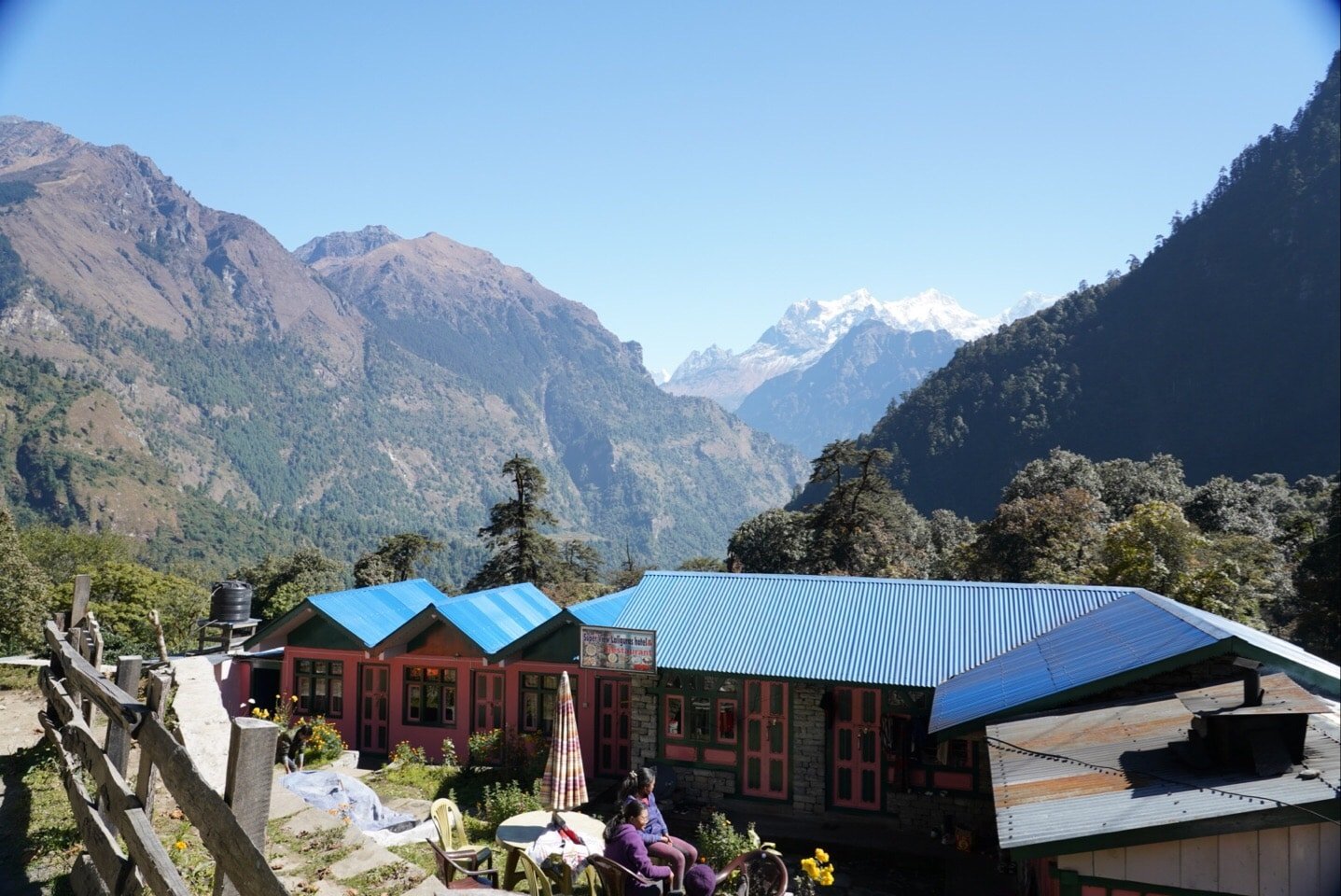
The main lodging for Tilicho Lake Trek are tea houses and mountain lodges run by local families. These hotels/guesthouses offer adequate and simple accommodation for trekking in the remote areas of the Himalayas. Typically twin sharing with basic beds, blankets, pillows and shared bathrooms. Larger villages (like Manang, Chame etc.) might have tea houses with attached bathrooms, hot showers, bakeries and internet facilities.
At higher altitudes, facilities are less sophisticated because of the remoteness of the area and transportation difficulties. There are limited facilities at Tilicho Base Camp, but it is still quite comfortable and warm for sleeping, eating and resting due to the elevation and the setting.
The food on the journey is quite varied. The most popular and suggested meal is Dal Bhat which is a traditional meal of Nepal consisting of rice, dal, veggies, and pickles. Dal Bhat is a healthy, energising and perfect food for long days of trekking. There are also many tea houses that will offer unlimited cups of tea, which is a favorite among trekkers.
Other meals are typically available, such as noodles, fried rice, soups, potatoes, pancakes, eggs, pasta, porridge, Tibetan bread, tea and coffee. The higher up into the mountains the more expensive the food becomes, since the supply needs to be carried up there or by mule.
During high altitude trekking, it is crucial to maintain a balanced diet and eat regularly due to the high energy expenditure.
Transportation & Road Conditions
The road to Tilicho Lake Trek starts with a long drive from Kathmandu towards the Annapurna region. The trail runs initially along the Trishuli River and Prithvi Highway, then into Besisahar, which is the entry point for the Annapurna Circuit. The road is in poor condition beyond Besisahar, becoming off-road in many places as the road passes down the valley of the Marsyangdi to Tal and Chame.
Shared jeeps and private four-wheel drive vehicles are commonly used for transportation in mountain areas. Although the trail is off-road and can be rough and dusty, the scenery along the way is spectacular: waterfalls, river valleys, terraced farms and mountain villages. Weather and seasonal conditions can cause road conditions to change.
Chame and Besisahar are traversed again on the way back to Kathmandu. Driving on a mountain road can be physically exhausting but it contributes to the adventure of trekking in the mountains.
Culture and Local Lifestyle
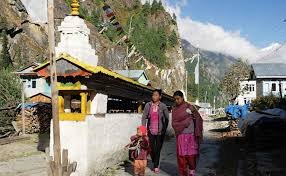
The cultural mix is abundant and Tibetan Buddhist cultural influences are strong in the Annapurna region. The people of Gurung, Thakali and Manangi have been inhabiting the mountain villages of the area along the Tilicho Lake Trek route for ages and have maintained their traditional way of life.
The stone-built houses, monasteries, prayer flags, mani walls and chortens at the villages of Pisang, Ngawal, Manang are all indicative of strong Buddhist culture. Along the way, trekkers may find themselves interacting with monks and witnessing prayer ceremonies and traditional practices, which provide cultural experiences.
The hospitality in Himalayan region is warm and welcoming. The tea house owners and residents are normally friendly and helpful to trekkers. Monasteries and local communities provide a rich cultural experience during the trekking journey.
The use of traditional agriculture and yak herding is still important in the local livelihood. The rough weather and isolated location make for a hard life in these mountain villages, but a rich and spiritual one.