Everything you need to know about exploring the Annapurna region by jeep, motorbike, mountain bike, and ATV. Routes, vehicles, permits, costs, best season, and how to plan your expedition.
The Annapurna region is famous for its trekking trails, but some of its most dramatic landscapes are best experienced on wheels. From the dusty desert roads of Upper Mustang to the winding mountain passes of the Kali Gandaki gorge, the region offers overland and off-road routes that rival any in the world.
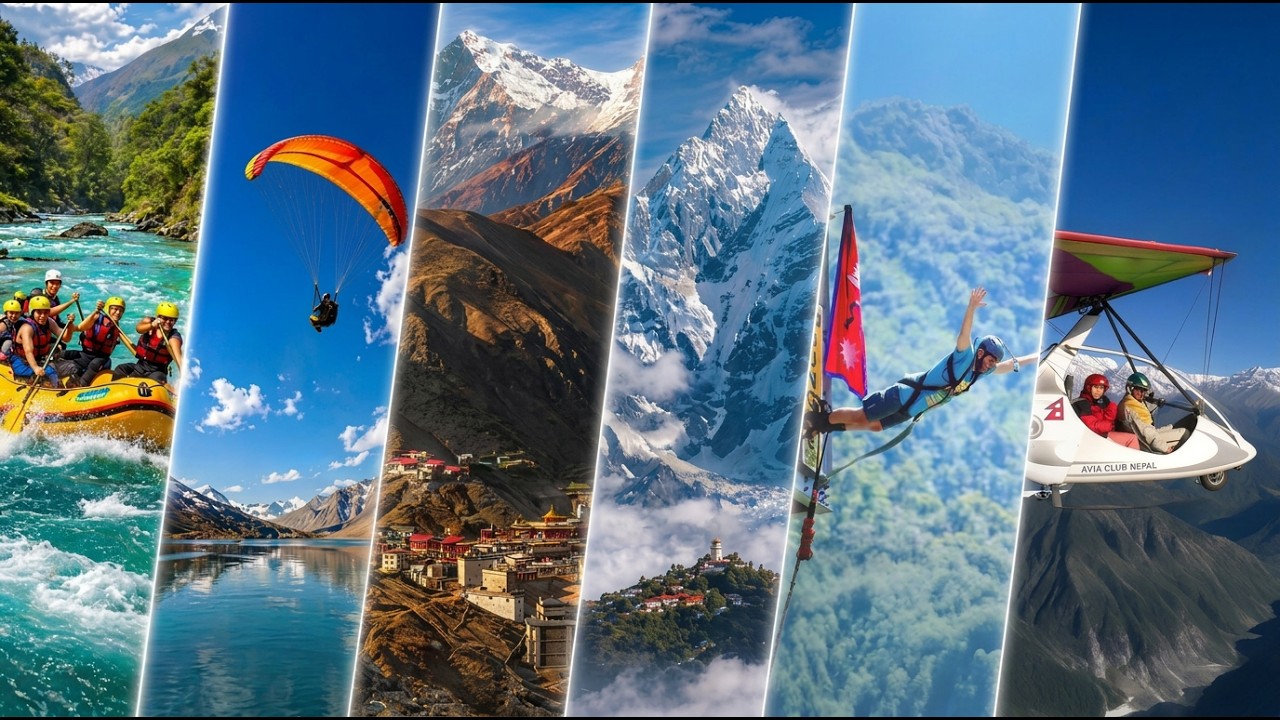
Whether you want to ride a Royal Enfield through the deepest gorge on Earth, take a 4x4 jeep into the restricted kingdom of Lo Manthang, mountain bike through the foothills around Pokhara, or ride an ATV through rural trails, the Annapurna region delivers adventure without requiring weeks of walking.
This guide covers every overland and off-road option available in the Annapurna region, from route planning and vehicle selection to permits, costs, and practical tips.
Why Go Overland in the Annapurna Region?
Overland expeditions offer something trekking cannot: speed, range, and access to landscapes that would take weeks to reach on foot. In a single day by jeep or motorbike, you can cover terrain that would take a trekker five to seven days.
The Annapurna region is uniquely suited for overland travel because of its dramatic altitude changes (from 800m to over 4,000m), its mix of paved highways and rugged mountain tracks, its cultural diversity (Hindu lowlands to Tibetan Buddhist highlands), and its infrastructure (lodges, fuel stops, and repair shops along major routes).
Road construction over the past decade has transformed access to places like Manang, Jomsom, and Upper Mustang. While trekkers sometimes lament the encroachment of roads on traditional trails, for overland travelers, these routes have opened up one of the most spectacular road trip destinations in Asia.
Nepal Motorbike Tour: The Ultimate Road Adventure
A Nepal motorbike tour through the Annapurna region is one of the most exhilarating ways to experience the Himalayas. The combination of high-altitude desert, river gorges, mountain passes, and ancient villages makes this a world-class motorcycle trip.
Popular Motorbike Routes
Pokhara to Mustang by Bike
The most popular motorcycle trip in the Annapurna region. The route follows the Kali Gandaki River from Pokhara through Beni, Jomsom, Kagbeni, and into Upper Mustang, ending at Lo Manthang. The total distance is approximately 280 to 300 km one way. The road is a mix of paved highway (Pokhara to Beni), rough gravel road (Beni to Jomsom), and unpaved mountain track (Jomsom to Lo Manthang).
This Mustang Nepal bike trip typically takes 8 to 12 days round trip, with rest days in Lo Manthang for exploration. The route passes through one of the deepest gorges in the world, crosses arid high desert, and enters a restricted region with pure Tibetan Buddhist culture.
Kathmandu to Mustang by Bike
The extended version starts from Kathmandu, adding the scenic Prithvi Highway ride to Pokhara (200 km) before continuing to Mustang. Total round trip is approximately 1,000 to 1,200 km over 12 to 16 days. The Kathmandu to Pokhara section follows the Trishuli River valley and is one of Nepal's most scenic highway rides.
Kathmandu to Muktinath by Bike
A shorter version that ends at Muktinath Temple (3,710m) instead of continuing to Upper Mustang. This avoids the restricted area permit requirement and can be done in 6 to 8 days round trip. The route covers the most dramatic section of the Kali Gandaki gorge and includes a visit to one of South Asia's most sacred pilgrimage sites.
Pokhara to Muktinath by Bike
The shortest Mustang motorbike route. Pokhara to Muktinath and back in 4 to 6 days. Ideal for riders with limited time who still want the Kali Gandaki gorge experience.
Bikes and Equipment
The most commonly used motorcycle for Nepal tours is the Royal Enfield Himalayan (411cc). It is built for rough terrain, widely available for rent in Kathmandu and Pokhara, and has a strong support network of mechanics across Nepal. Other options include the Royal Enfield Classic 350 and the Honda XR series.
For a Nepal motorbike tour, you need a valid motorcycle license (international driving permit recommended), basic off-road riding skills, appropriate riding gear (helmet, gloves, jacket, boots, knee guards), and a tool kit with spare parts (clutch cable, inner tubes, chain links).
Rental vs. Guided Tours
You can rent a bike independently in Kathmandu or Pokhara and ride solo, or join a guided motorcycle trip with a support vehicle, mechanic, and route leader. For Upper Mustang, a guided tour is mandatory since the restricted area permit requires a licensed guide.
Independent bike rental costs approximately $15 to $30 USD per day depending on the bike model. Guided motorcycle tour packages range from $1,500 to $3,500 USD for 8 to 12 days, including bike, fuel, accommodation, meals, guide, and permits.
Road Conditions
Nepal's mountain roads demand respect. Between Beni and Jomsom, the road is unpaved and rough, with river crossings, loose gravel, and narrow sections carved into cliff faces. Beyond Jomsom into Upper Mustang, the track becomes even more challenging with sand, dust, and steep switchbacks. Strong afternoon winds in the Kali Gandaki corridor are a known hazard, especially from March to May.
The Kathmandu to Pokhara highway is paved and in reasonable condition, though sections are under widening construction. Expect some rough patches and heavy truck traffic.
Upper Mustang Jeep Tour
For travelers who want the Mustang experience without riding a motorbike, the Upper Mustang jeep tour is the most popular overland option. A 4x4 vehicle takes you from Pokhara through the Kali Gandaki gorge to Lo Manthang, the ancient walled capital of the Mustang kingdom.
The Route
The standard jeep route follows the same road as the motorbike route: Pokhara to Beni to Jomsom to Kagbeni to Lo Manthang. Some itineraries start with a flight from Pokhara to Jomsom (20 minutes) to skip the long drive through the lower section and maximize time in Upper Mustang.
What You'll See
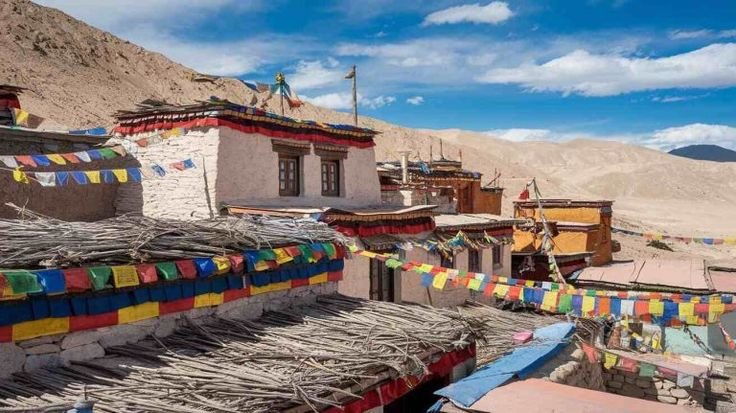
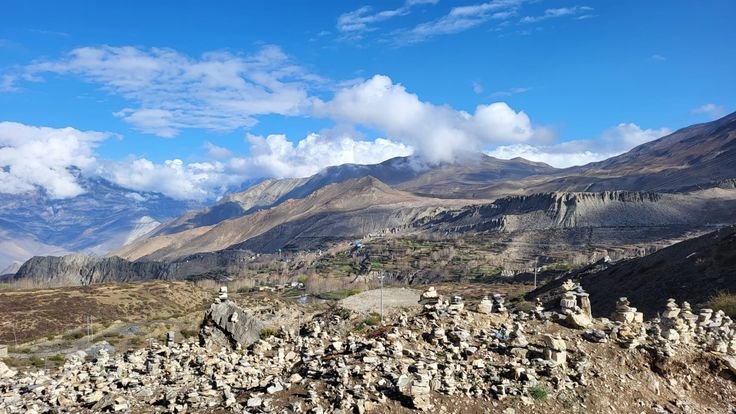
The Upper Mustang jeep tour passes through some of the most dramatic landscapes in Nepal. The Kali Gandaki gorge, flanked by Dhaulagiri (8,167m) and Annapurna I (8,091m), is often cited as the deepest gorge in the world. Beyond Kagbeni, the landscape transforms into a high-altitude desert of red and ochre cliffs, wind-carved rock formations, and sparse vegetation. The medieval village of Kagbeni, with its narrow alleys and ancient monastery, feels like a gateway to another world.
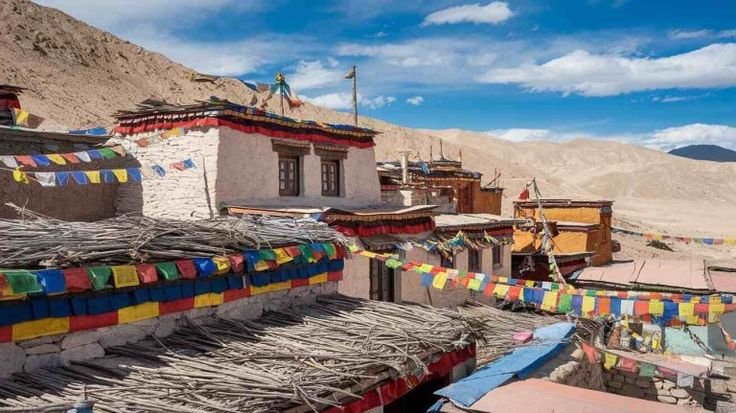
Lo Manthang itself is a walled city with a royal palace, Buddhist monasteries, and Tibetan cultural traditions that have survived for centuries. The Tiji Festival (usually in May) draws visitors from around the world to witness three days of masked monk dances.
Duration and Cost
An Upper Mustang jeep tour typically takes 8 to 12 days from Pokhara. The Upper Mustang tour package price ranges from $1,500 to $3,000+ USD per person, driven largely by the restricted area permit cost ($50 per person per day from the Kagbeni checkpoint as of 2026).
Shorter Lower Mustang jeep tours (Pokhara to Jomsom/Kagbeni/Muktinath and back) take 3 to 5 days and cost $300 to $800 USD per person, with no restricted area permit needed.
Mountain Biking in the Annapurna Region
Mountain biking in Nepal has grown significantly in recent years, and the Annapurna region offers some of the best trails in the country. From technical singletrack around Pokhara to multi-day mountain bike tours through the Annapurna foothills, there is something for every level of rider.
Pokhara Mountain Biking
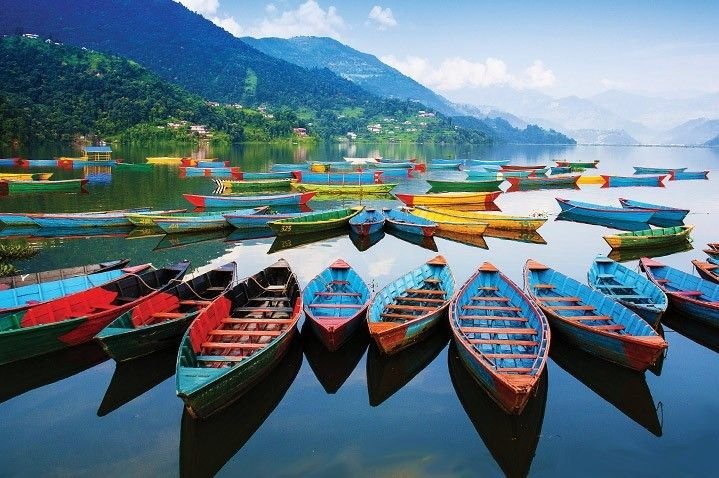
Pokhara is the hub for mountain biking in the Annapurna region. The terrain around the city offers a mix of lakeside flat trails, forested singletrack, and steep hillside climbs with mountain views.
Popular Pokhara mountain bike routes:
Sarangkot Loop: A half-day ride from lakeside Pokhara up to Sarangkot viewpoint (1,592m) and back via forest trails. Moderate difficulty. Stunning views of the Annapurna range from the top.
Begnas Lake to Rupa Lake: An easy to moderate ride through rural villages and farmland between two of Pokhara's quieter lakes. Half-day route with minimal traffic.
World Peace Stupa Trail: A technical climb through forest to the World Peace Pagoda with panoramic views. Intermediate level.
Pokhara to Dhampus by Bike: A challenging ride climbing from lakeside (800m) to Dhampus village (1,650m) through farmland and forest. The mountain views from Dhampus are spectacular.
Pokhara to Ghandruk by Bike: An advanced multi-day route that combines road and off-road sections to reach the famous Gurung village. Requires good fitness and technical skill on rough descents.
Nepal Mountain Bike Tour Packages
Multi-day mountain bike tours in Nepal typically cover 40 to 80 km per day on a mix of paved roads, gravel tracks, and singletrack trails. Popular multi-day routes in the Annapurna region include the Pokhara to Jomsom mountain bike tour (5 to 7 days, following the Kali Gandaki River), the Annapurna foothills loop (3 to 5 days, through villages like Ghandruk, Birethanti, and Nayapul), and the Pokhara mountain bike adventure combining lakeside rides with hillside trails (2 to 3 days).
Nepal mountain bike tour packages typically include bike rental (hardtail or full-suspension), helmet and basic gear, guide, support vehicle for luggage, accommodation, and meals. Prices range from $80 to $150 USD per day for guided tours.
Bike Rental in Pokhara
Mountain bikes can be rented at multiple shops along Pokhara's lakeside. Basic hardtail bikes cost $10 to $15 USD per day. Quality full-suspension bikes cost $25 to $40 USD per day. Inspect the bike carefully before renting, especially brakes, tires, and suspension.
Cycling in Pokhara
For casual riders, cycling in Pokhara is one of the most pleasant ways to explore the city. The lakeside area is relatively flat, and cycling between Phewa Lake, Davis Falls, the Tibetan Refugee Camp, and Begnas Lake makes for a relaxed day of sightseeing. E-bikes are increasingly available for those who want assistance on the hills.
ATV Rides in Pokhara
For a shorter off-road thrill, ATV rides in Pokhara offer guided tours through rural trails, river beds, and forested areas near the city. No prior experience is needed. Rides typically last 1 to 3 hours and cover terrain that ranges from flat river valleys to steep hillside tracks.
ATV ride Pokhara packages cost approximately $30 to $80 USD depending on duration and route. Most operators provide the ATV, helmet, and a guide. These are popular among families and travelers who want an off-road experience without committing to a multi-day expedition.
Routes and Destinations
The Kali Gandaki Corridor
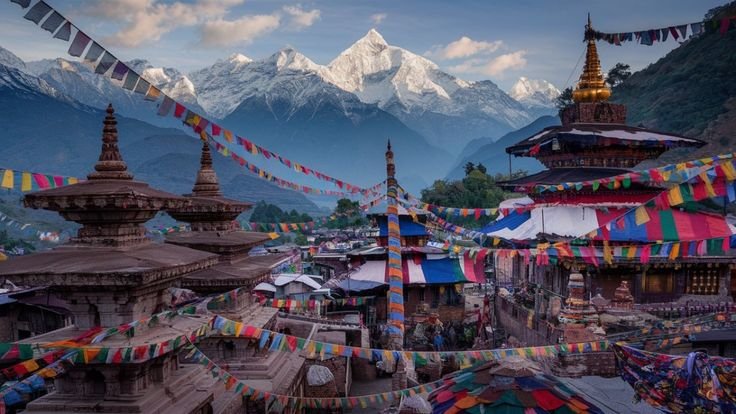
The Kali Gandaki River valley is the backbone of most overland routes in the Annapurna region. The corridor runs from Beni in the south through Jomsom, Kagbeni, and into Upper Mustang in the north. It is flanked by two 8,000-meter peaks (Dhaulagiri and Annapurna I), making it one of the most dramatic road corridors on Earth.
The road through the Kali Gandaki is the primary route for both jeep tours and motorbike trips. Conditions vary from paved highway near Beni to rough gravel and sand beyond Jomsom. Strong afternoon winds blow through the gorge daily, sometimes strong enough to push vehicles and riders. Plan to cover the most exposed sections in the morning.
The Besisahar to Manang Road
The eastern approach to the Annapurna Circuit, from Besisahar to Chame and on to Manang, is another overland option. This road follows the Marsyangdi River through narrow gorges and pine forests. While primarily used by trekkers taking jeep transfers to skip the lower circuit sections, it is also a legitimate overland route for 4x4 vehicles.
The road is rough, narrow, and carved into cliff faces in several sections. It is not recommended for motorbikes beyond Chame due to trail conditions. Jeep transfers from Besisahar to Chame or Manang cost $50 to $100 per vehicle.
Pokhara to Chitwan Overland
For travelers combining the Annapurna region with a wildlife safari, the Pokhara to Chitwan overland route takes 5 to 6 hours by road through the Terai lowlands. This can be done by tourist bus, private vehicle, or as part of a multi-destination overland tour.
Best Season for Overland Expeditions
Spring (March to May)
The best overall season. Clear skies, dry roads, and warm temperatures at lower elevations. Rhododendron forests bloom in March and April. Roads are generally in good condition after winter. Strong afternoon winds in the Kali Gandaki are at their peak during this period, which is a challenge for motorbike riders.
Autumn (September to November)
The second-best window. Roads are drying out after monsoon, visibility is excellent, and temperatures are comfortable. October and November offer the clearest mountain views. Some road sections may still have monsoon damage that hasn't been repaired.
Summer/Monsoon (June to August)
Not recommended for most overland routes. Heavy rainfall causes landslides, road closures, and river crossings to become dangerous. However, Upper Mustang sits in a rain shadow and is one of the few destinations in Nepal that works well during monsoon. The roads between Jomsom and Lo Manthang are relatively dry even during peak monsoon, making this a surprisingly good time for Mustang jeep or bike tours.
Winter (December to February)
Cold but possible at lower elevations. Roads to Upper Mustang may be blocked by snow at higher passes. The Kali Gandaki corridor is accessible but cold, with temperatures dropping well below freezing at night above 3,000m. Not recommended for motorbike tours due to ice and reduced daylight.
Permits for Overland Expeditions
ACAP (Annapurna Conservation Area Permit)
Required for all routes within the Annapurna Conservation Area, including Jomsom, Kagbeni, Muktinath, and Upper Mustang. NPR 3,000 for foreign nationals.
Restricted Area Permit (Upper Mustang)
Required for travel beyond Kagbeni into Upper Mustang. $50 per person per day from the Kagbeni checkpoint. Must be arranged through a registered trekking agency. Licensed guide mandatory. As of March 2026, solo travelers can now obtain this permit with a licensed guide.
TIMS Card
Recommended but enforcement varies. Primarily for trekkers but sometimes checked on overland routes within the conservation area.
Vehicle Permits
Vehicles entering the Annapurna Conservation Area may require additional local permits depending on the route and vehicle type. Your tour operator or rental agency will handle these.
Cost Breakdown
Motorbike Tours
Type | Duration | Cost per Person |
|---|---|---|
Independent rental (bike only) | Per day | $15 to $30 USD |
Guided Lower Mustang bike trip | 4 to 6 days | $800 to $1,500 USD |
Guided Upper Mustang bike trip | 8 to 12 days | $1,500 to $3,500 USD |
Kathmandu to Mustang guided tour | 12 to 16 days | $2,000 to $4,000 USD |
Jeep Tours
Type | Duration | Cost per Person |
|---|---|---|
Lower Mustang (Jomsom/Muktinath) | 3 to 5 days | $300 to $800 USD |
Upper Mustang | 8 to 12 days | $1,500 to $3,000+ USD |
Besisahar to Manang transfer | Single trip | $50 to $100 per vehicle |
Mountain Biking
Type | Duration | Cost per Person |
|---|---|---|
Bike rental (basic) | Per day | $10 to $15 USD |
Bike rental (full-suspension) | Per day | $25 to $40 USD |
Guided mountain bike tour | Per day | $80 to $150 USD |
Multi-day Pokhara to Jomsom | 5 to 7 days | $500 to $1,000 USD |
ATV Rides
Type | Duration | Cost per Person |
|---|---|---|
Short ride | 1 to 2 hours | $30 to $50 USD |
Extended ride | 2 to 3 hours | $50 to $80 USD |
All prices are approximate and vary by season, group size, and operator.
Vehicles Used in Nepal
Jeeps and 4x4s
The most common 4x4 vehicles on Nepal's mountain roads are the Mahindra Bolero, Mahindra Scorpio, and Toyota Hilux. These vehicles are built for rough terrain and are widely used by tour operators across the Annapurna region. Comfort levels vary. The Hilux offers the most space and stability. The Bolero is the most budget-friendly option.
Motorcycles
The Royal Enfield Himalayan 411cc is the default choice for Nepal motorbike tours. It is available for rent across Kathmandu and Pokhara, with a strong mechanic network along major routes. The Honda CRF250L and Suzuki DR series are occasionally available for more experienced riders looking for lighter, more agile bikes.
Mountain Bikes
Quality mountain bikes are available for rent in Pokhara. Brands include Giant, Trek, and locally assembled hardtails. For serious multi-day tours, bringing your own bike or renting a quality full-suspension model is recommended.
ATVs
Most ATV operators in Pokhara use 200cc to 350cc quad bikes suitable for beginners and experienced riders. Helmets and basic safety briefings are provided.
Safety Considerations
Road Safety
Nepal's mountain roads are among the most challenging in the world. Narrow tracks, blind corners, sheer drops, loose gravel, and oncoming traffic (including trucks and buses) are standard. Drive or ride defensively. Always yield to uphill traffic. Use the horn on blind corners. Never drive after dark.
Weather
Weather changes rapidly in the mountains. Clear mornings can turn into afternoon storms. On motorbike tours, carry rain gear and be prepared for strong winds in the Kali Gandaki corridor. Check road conditions before departing each day.
Altitude
Most overland routes in the Annapurna region reach 3,000 to 4,000 meters. While you won't be walking at altitude, the reduced oxygen can still cause headaches and fatigue, especially if you ascend quickly by vehicle. Take it easy on the first day at altitude. Stay hydrated. Avoid alcohol.
Emergency Preparedness
Carry a basic first aid kit, a satellite phone or fully charged mobile with Ncell SIM, and your travel insurance details. For motorbike tours, carry basic tools and spare parts. Know the location of the nearest health post on your route. Helicopter evacuation is available from most points in the Annapurna region with proper insurance.
Travel Insurance
Comprehensive travel insurance is essential for all overland expeditions. Ensure your policy covers motorcycle riding (if applicable), remote area travel, emergency evacuation, and the maximum altitude of your route. Standard travel insurance often excludes motorcycle use, so check the fine print.
What to Pack
For Motorbike Tours
Riding jacket, riding pants, sturdy boots, gloves, helmet (bring your own if possible), goggles or visor, dust mask or buff (essential for Mustang), sunscreen SPF 50+, warm layers for high-altitude stops, rain gear, tool kit, power bank, camera with secure mount, and Nepali rupees in small denominations.
For Jeep Tours
Comfortable clothing, warm jacket for higher elevations, dust mask or buff, sunscreen, sunglasses, camera, power bank, motion sickness medication (if prone), and Nepali rupees.
For Mountain Biking
Padded cycling shorts, moisture-wicking top, helmet (mandatory), cycling gloves, sunscreen, water bottle or hydration pack, repair kit (tube, pump, multi-tool), and energy snacks.
Planning Your Expedition
Solo vs. Guided
For Lower Mustang (Jomsom, Muktinath) and Pokhara-area routes, solo riding or driving is possible with proper preparation. For Upper Mustang, a licensed guide is mandatory due to the restricted area permit. For multi-day motorbike tours, a guided group with a support vehicle and mechanic is recommended, especially for first-time riders in Nepal.
How to Book
Contact a registered tour operator based in Pokhara or Kathmandu. Provide your dates, group size, preferred vehicle (jeep, motorbike, mountain bike), and route preferences. The operator will handle permits, accommodation, vehicle, guide, and logistics.
Nepal bike tour packages can also be booked through international adventure travel platforms, though booking directly with a local operator typically offers better pricing and more flexibility.
Combining with Trekking
Many travelers combine an overland expedition with a trek for the ultimate Annapurna experience. Popular combinations include a jeep tour to Upper Mustang followed by the Annapurna Circuit trek, a motorbike ride to Jomsom followed by a trek to Annapurna Base Camp, and a mountain bike tour around Pokhara followed by a Poon Hill or Mardi Himal trek.
Accommodation on Overland Routes
Accommodation along overland routes varies significantly depending on the area.
Pokhara
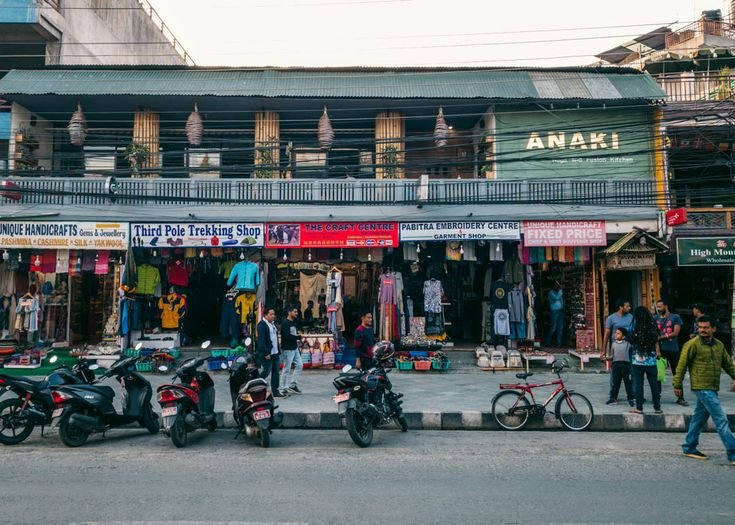
The gateway city offers everything from budget guesthouses to 5-star lakeside resorts. Most overland expeditions start and end here, so you can book comfort or luxury accommodation for your first and last nights. Lakeside hotels range from $30 to $300+ USD per night.
Beni to Jomsom
Lodges and guesthouses along this section are basic but functional. Rooms have twin beds, blankets, and shared bathrooms. Hot water is available at most stops. Menus offer dal bhat, momos, noodle soups, and basic Western dishes. Expect to pay $10 to $30 USD per night for accommodation.
Jomsom
The largest town on the Mustang corridor. Better lodges with private rooms, attached bathrooms, and decent restaurants. Some mid-range options with Wi-Fi and hot showers. Jomsom also has an airstrip with flights to Pokhara.
Kagbeni to Lo Manthang
Accommodation becomes more basic as you enter Upper Mustang. Kagbeni has a few comfortable lodges. Between Kagbeni and Lo Manthang, guesthouses are simple: basic rooms, shared facilities, limited menus. Lo Manthang itself has the best lodges in Upper Mustang, some with attached bathrooms and Wi-Fi. Luxury "glamping" options with heated tents are increasingly available near Lo Manthang.
Manang (Circuit Route)
Manang village has several good lodges catering to trekkers and overland travelers. Better rooms are available compared to the Mustang corridor. The wide valley setting and mountain views make Manang a pleasant overnight stop.
Food on the Road
Food along overland routes is similar to what trekkers eat: dal bhat, momos, noodle soups, fried rice, eggs, and pancakes. The Thakali region (Marpha, Tukuche) is famous for its exceptional dal bhat with twelve or more side dishes. Marpha's apple pie, apple cider, and apple brandy are local specialties worth stopping for.
At higher elevations and in Upper Mustang, menus become simpler and more Tibetan-influenced: thukpa (noodle soup), tingmo (steamed bread), and butter tea. Carry snacks and energy bars for long stretches between villages.
Fuel Availability
Fuel (petrol and diesel) is available in Pokhara, Beni, Jomsom, and at small roadside stations along major routes. Beyond Jomsom into Upper Mustang, fuel availability becomes unreliable. Carry extra fuel in jerry cans for the Upper Mustang section. Your guide or operator will plan fuel stops in advance.
For mountain biking and cycling, no fuel is needed, but carry sufficient water and energy food. Refill points are available at tea houses along popular routes.
Connectivity and Communication
Mobile Coverage
Nepal's Ncell and NTC networks provide coverage in most towns and villages along overland routes up to Jomsom. Beyond Jomsom into Upper Mustang, coverage becomes sporadic and disappears entirely in many areas. Lo Manthang has limited coverage.
Around Pokhara and the foothills, coverage is reliable. The Besisahar to Manang route has patchy coverage in villages but drops in the gorge sections between them.
Wi-Fi
Wi-Fi is available at most lodges in Pokhara, Jomsom, and some lodges in Lo Manthang. Speed is slow and unreliable. Don't depend on internet access for anything critical during your expedition.
Satellite Communication
For multi-day expeditions in remote areas, a satellite phone or satellite messenger (InReach, SPOT) is recommended. Your guide should carry one as standard on Upper Mustang expeditions.
Offline Maps
Download offline maps before departure. Maps.me and Gaia GPS both work well for Nepal's mountain roads. Mobile signal disappears frequently, so online navigation apps are unreliable.
Photography Tips for Overland Expeditions
Overland travel offers unique photography opportunities that trekking does not. You cover more ground, encounter more diverse landscapes in a single day, and have the advantage of elevated viewpoints from vehicle rooftops and hillside stops.
Best Subjects
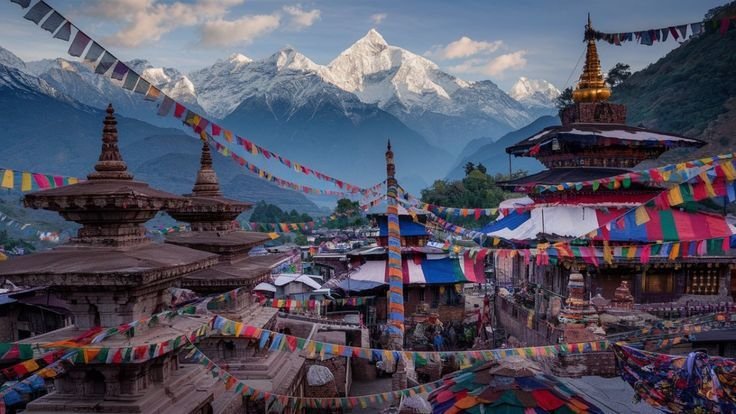
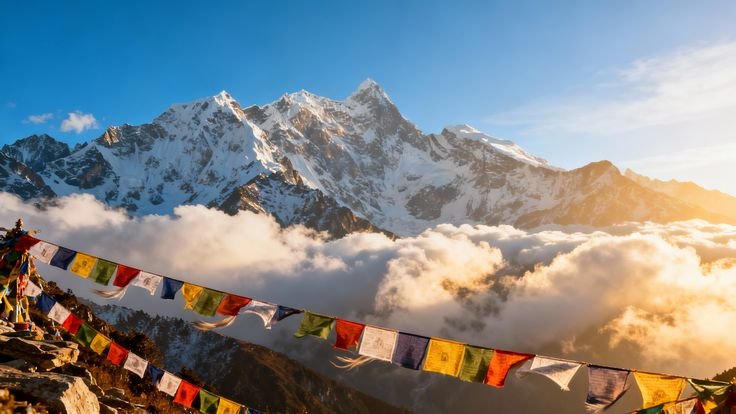
The Kali Gandaki gorge with Dhaulagiri and Annapurna framing the valley, the red and ochre cliff formations of Upper Mustang, medieval villages like Kagbeni and Lo Manthang, prayer flags and chortens against desert landscapes, your bike or jeep on dramatic mountain roads (establishes scale and adventure), local people and daily life in remote villages (always ask permission), and sunrise and sunset at high-altitude camps.
Gear Tips
A compact, weather-sealed camera is ideal for overland travel. Dust is the primary enemy on these routes. Keep your camera in a sealed bag or case when not shooting. Clean your lens frequently. A polarizing filter reduces glare and enhances sky contrast. Carry spare batteries as cold temperatures drain them faster. A GoPro or action camera mounted on your bike or jeep captures excellent riding footage.
Best Light
Early morning (6 to 8 AM) offers the cleanest light and calmest conditions in the Kali Gandaki. Late afternoon light (4 to 6 PM) creates dramatic shadows on the red cliffs of Upper Mustang. Midday light in the high desert is harsh but can work for stark, dramatic compositions of the arid landscape.
Environmental Responsibility
Overland travel generates dust, noise, and emissions that impact the environment and local communities. As a responsible traveler, stay on established roads and tracks, don't off-road through fields, pastures, or protected areas, carry out all your trash, minimize idling in villages, respect wildlife and livestock on the road, and support local fuel stations and repair shops.
The Annapurna Conservation Area faces growing pressure from both trekking and vehicle tourism. Traveling responsibly helps preserve the landscapes and communities that make these routes worth traveling in the first place.
Sample Itineraries
5-Day Lower Mustang Jeep Tour (Pokhara to Muktinath)
Day 1: Pokhara to Tatopani (6 hrs drive). Stop at Dana waterfall. Soak in natural hot springs at Tatopani. Day 2: Tatopani to Jomsom (4 hrs drive). Drive through the deepest section of the Kali Gandaki gorge. Visit Marpha for apple pie and Thakali cuisine. Day 3: Jomsom to Muktinath to Kagbeni. Visit Muktinath Temple (3,710m). Explore 108 water spouts and the eternal flame. Drive to Kagbeni and explore the medieval village. Day 4: Kagbeni to Jomsom. Morning walk through Kagbeni. Drive to Jomsom. Optional flight back to Pokhara (20 min) or overnight in Jomsom. Day 5: Jomsom to Pokhara. Flight or drive back. Afternoon free at lakeside.
10-Day Upper Mustang Motorbike Expedition
Day 1: Arrive Pokhara. Bike check and briefing. Day 2: Pokhara to Beni to Tatopani (180 km). Paved road then gravel. Day 3: Tatopani to Jomsom (80 km). Kali Gandaki gorge. Stop in Marpha. Day 4: Jomsom to Kagbeni to Chele (45 km). Enter restricted area at Kagbeni checkpoint. Day 5: Chele to Syangbochen (35 km). Red cliff formations. Ancient monasteries. Day 6: Syangbochen to Lo Manthang (40 km). Arrive at the walled city. Day 7: Rest day in Lo Manthang. Explore royal palace, monasteries, Choser sky caves. Day 8: Lo Manthang to Kagbeni (80 km). Return ride through the desert. Day 9: Kagbeni to Tatopani (80 km). Reverse the gorge ride. Day 10: Tatopani to Pokhara (180 km). End of expedition.
3-Day Pokhara Mountain Bike Tour
Day 1: Pokhara lakeside to Sarangkot. Climb to the viewpoint. Descend via forest singletrack. Afternoon ride to Begnas Lake. Overnight in Pokhara. Day 2: Pokhara to Kande to Australian Camp (ride and hike combo). Mountain views from 2,060m. Descent through villages. Overnight in Pokhara. Day 3: World Peace Stupa trail. Technical climb through forest. Panoramic views from the top. Return to lakeside. End of tour.
Planning Your Expedition
Solo vs. Guided
For Lower Mustang (Jomsom, Muktinath) and Pokhara-area routes, solo riding or driving is possible with proper preparation. For Upper Mustang, a licensed guide is mandatory due to the restricted area permit. For multi-day motorbike tours, a guided group with a support vehicle and mechanic is recommended, especially for first-time riders in Nepal.
How to Book
Contact a registered tour operator based in Pokhara or Kathmandu. Provide your dates, group size, preferred vehicle (jeep, motorbike, mountain bike), and route preferences. The operator will handle permits, accommodation, vehicle, guide, and logistics.
Nepal bike tour packages can also be booked through international adventure travel platforms, though booking directly with a local operator typically offers better pricing and more flexibility.
Combining with Trekking
Many travelers combine an overland expedition with a trek for the ultimate Annapurna experience. Popular combinations include a jeep tour to Upper Mustang followed by the Annapurna Circuit trek, a motorbike ride to Jomsom followed by a trek to Annapurna Base Camp, and a mountain bike tour around Pokhara followed by a Poon Hill or Mardi Himal trek.
Frequently Asked Questions
Do I need a special license to ride a motorbike in Nepal?
You need a valid motorcycle license from your home country. An international driving permit (IDP) is recommended but not always enforced. For renting a bike, most shops will accept your home country license.
Can I do a motorbike tour solo?
Yes, for Lower Mustang and Pokhara-area routes. For Upper Mustang, a licensed guide is mandatory. Even on solo rides, we recommend carrying a Ncell SIM, sharing your itinerary with someone, and riding with basic tools and spare parts.
What is the best bike for Nepal tours?
The Royal Enfield Himalayan 411cc is the most popular and practical choice. It handles rough terrain well, is widely available, and has a strong support network of mechanics across Nepal.
How are the roads in Upper Mustang?
Rough, dusty, and unpaved. Almost 99% of Mustang trekking trails now run alongside or on roads. Jeeps, bikes, and trucks create dust. The roads are passable for 4x4 vehicles and experienced motorbike riders, but they are not smooth highways.
Is ATV riding in Pokhara safe for beginners?
Yes. ATV operators provide a safety briefing, helmet, and a guide. Routes are designed for beginners, though more challenging trails are available for experienced riders.
Can I bring my own bike to Nepal?
Yes, but it involves import paperwork and customs clearance. Most travelers find it easier and more cost-effective to rent locally.
What is the best season for a Mustang bike trip?
March to May and September to November for the best road conditions. June to August works for Upper Mustang (rain shadow), but the approach roads from Pokhara to Beni can be affected by monsoon landslides.
How fit do I need to be for a mountain bike tour?
Moderate fitness is required for multi-day tours. You should be comfortable cycling 4 to 6 hours per day on hilly terrain. For Pokhara day rides, basic fitness is sufficient.
Are Nepal motorbike tours safe?
With proper preparation, a good bike, and an experienced guide, yes. The main risks are road conditions, weather, and altitude. Travel insurance, riding gear, and local knowledge significantly reduce these risks.
Can I do a jeep tour to Mustang during monsoon?
Yes. Upper Mustang sits in a rain shadow and stays dry during monsoon. The roads between Jomsom and Lo Manthang are passable. However, the approach road from Pokhara to Beni can be affected by landslides during heavy rain.
This guide is written and maintained by the Discover Annapurna team, based in Pokhara. We design overland and off-road expeditions across the Annapurna region for travelers who want the mountains at their own speed. Reach out at contact@discoverannapurna.com or start a conversation on our website.