Introduction to Upper Mustang – The Last Forbidden Kingdom
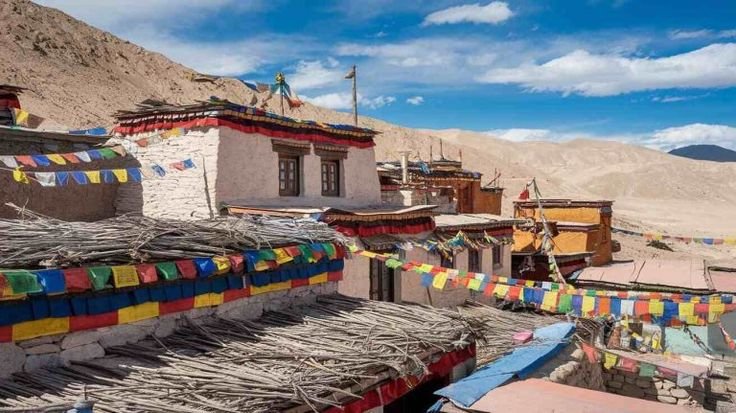
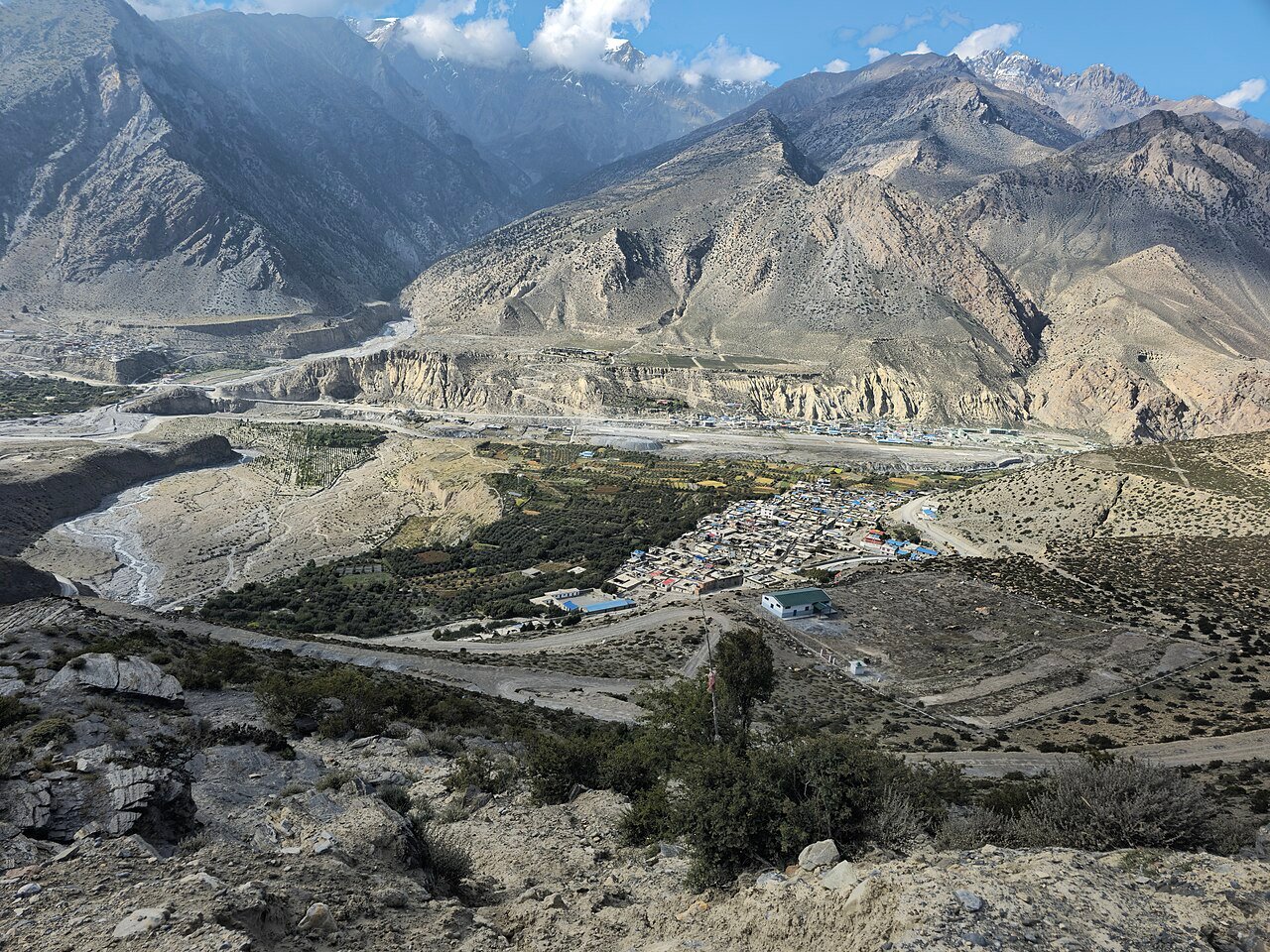
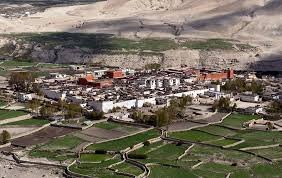
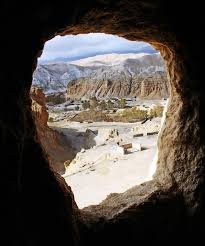
Upper Mustang is one of the most extraordinary destinations for travelers in Nepal and in fact is a hidden world in the middle of the Himalayas. The area is north of the Annapurna range, bordering Tibet, and was closed to foreigners until 1992, so there has been little change in its ancient culture and traditions. In contrast to the lush green hills that come to mind in the Himalayas, Upper Mustang is characterized by its stark desert-like landscape, its dramatic cliffs and wind-carved terrain.
It's not only a physical trek to Lo Manthang, the former royal capital, but a cultural one as well. It provides an insight into a way of life that has not changed much over centuries and is strongly influenced by Tibetan Buddhism and trans-Himalayan trade.
Geography and Landscape
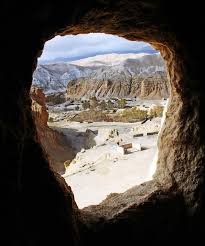
The geography of Upper Mustang is one of the most striking features of it. The region is in the rain shadow of the Annapurna and Dhaulagiri ranges and is extremely dry with little precipitation. Dominated by eroded cliffs, deep canyons, and vast open valleys, which stretch out toward the Tibetan plateau.
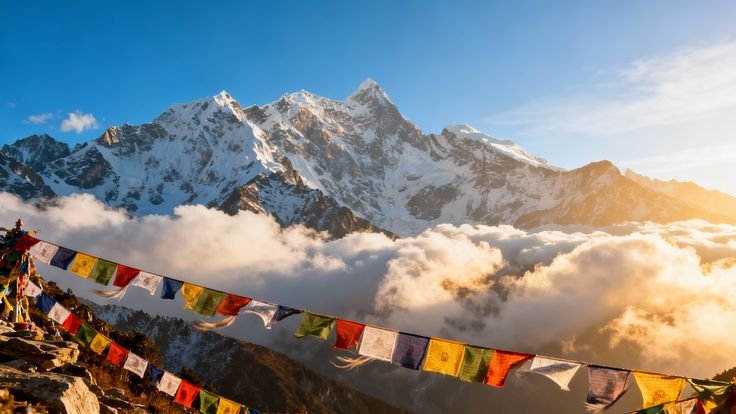
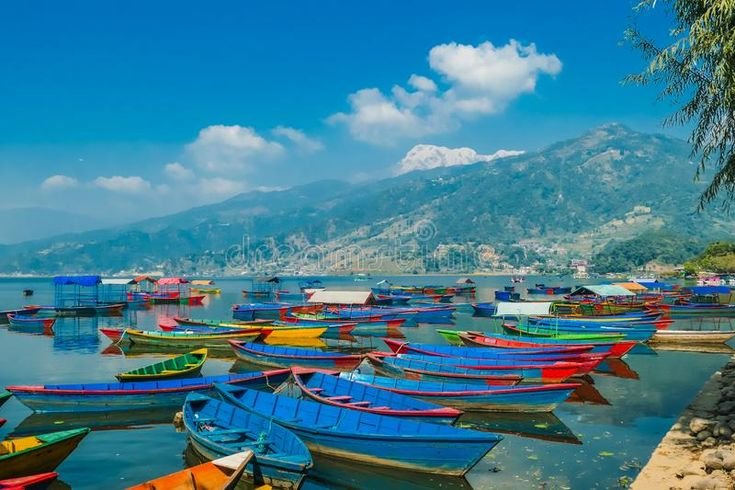
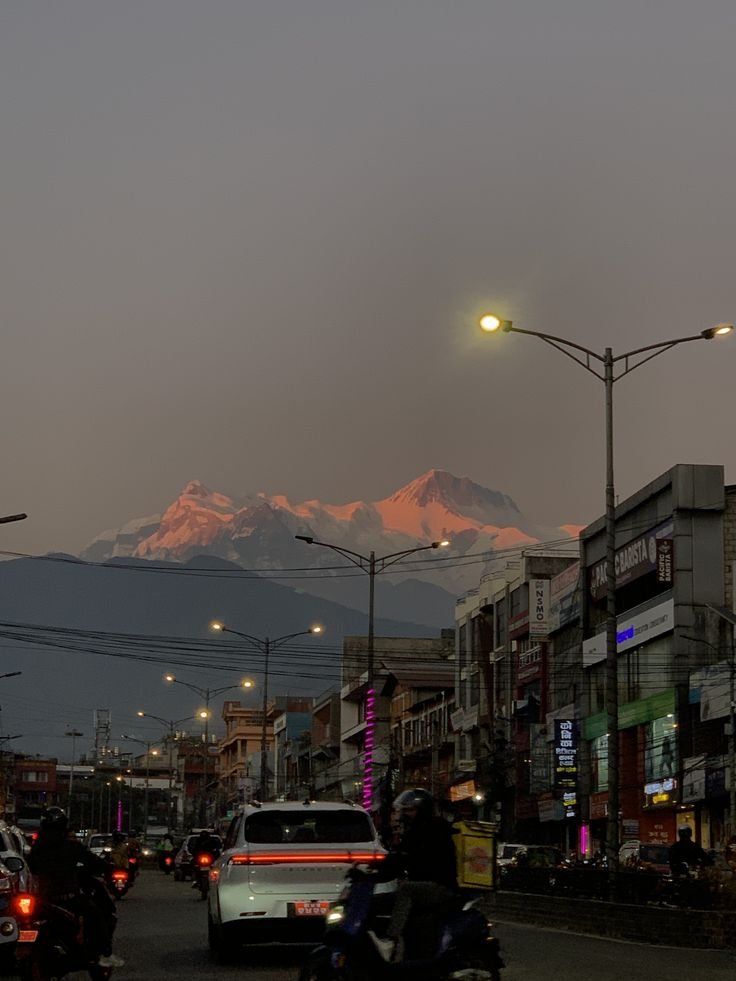
On the way, you will see one of the deepest gorges in the world with high mountains on the both sides of the river, Kali Gandaki. The journey from Pokhara to Mustang is a gradual but yet dramatic one, and very beautiful from every perspective.
The Cultural heritage and the Influence of Tibet
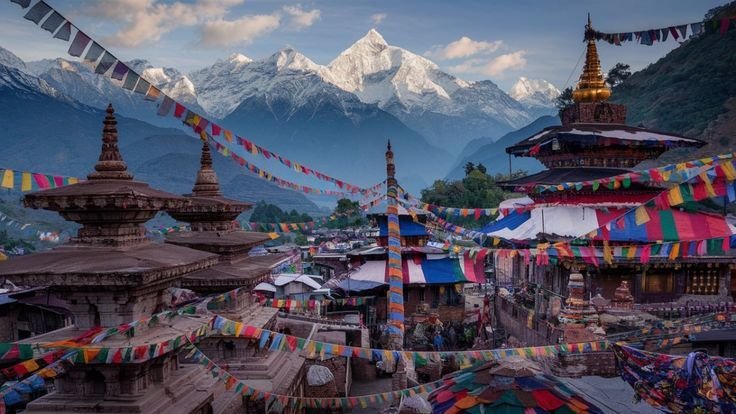
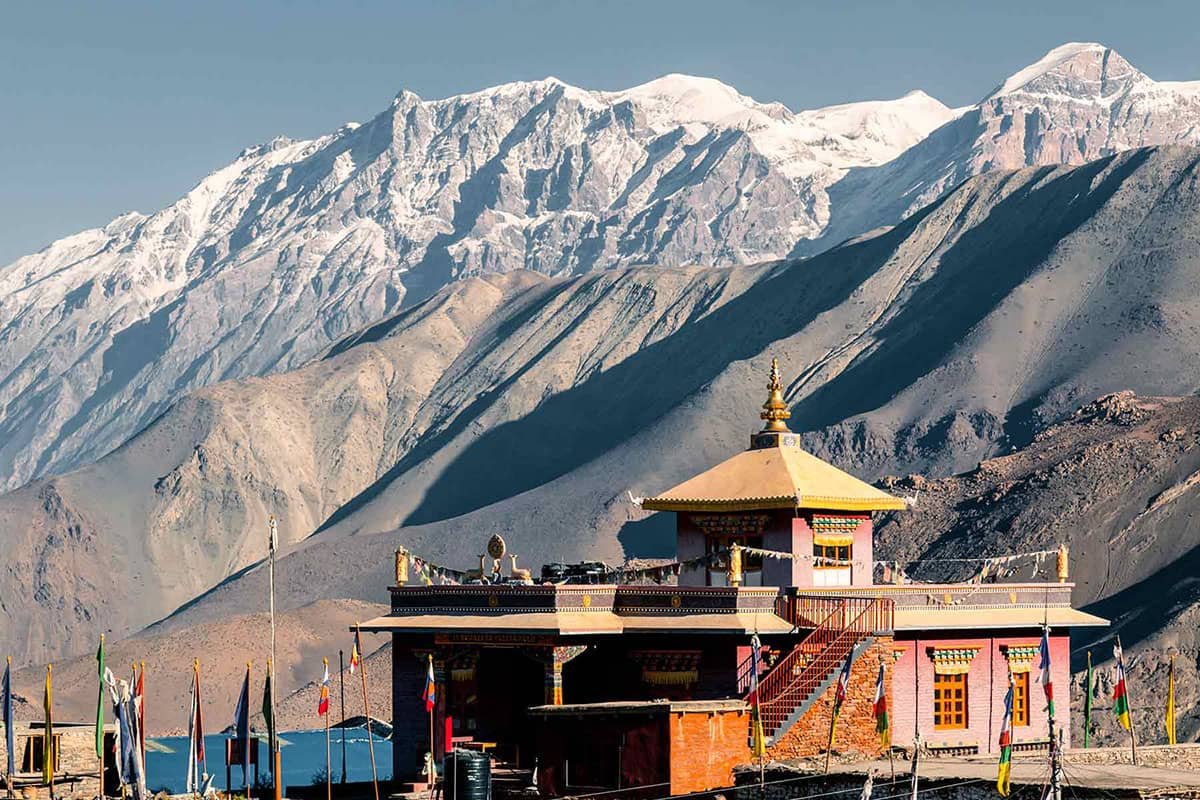
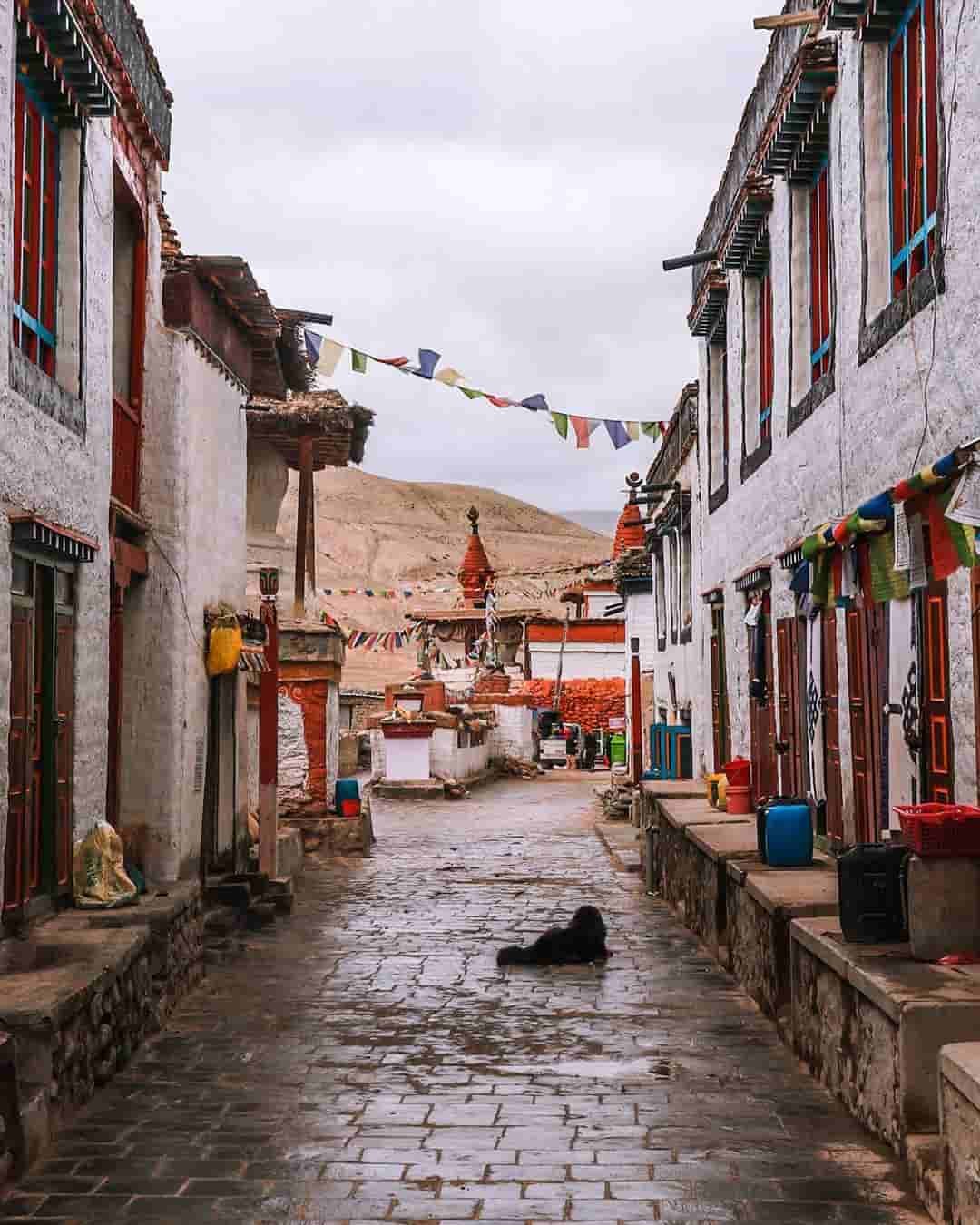
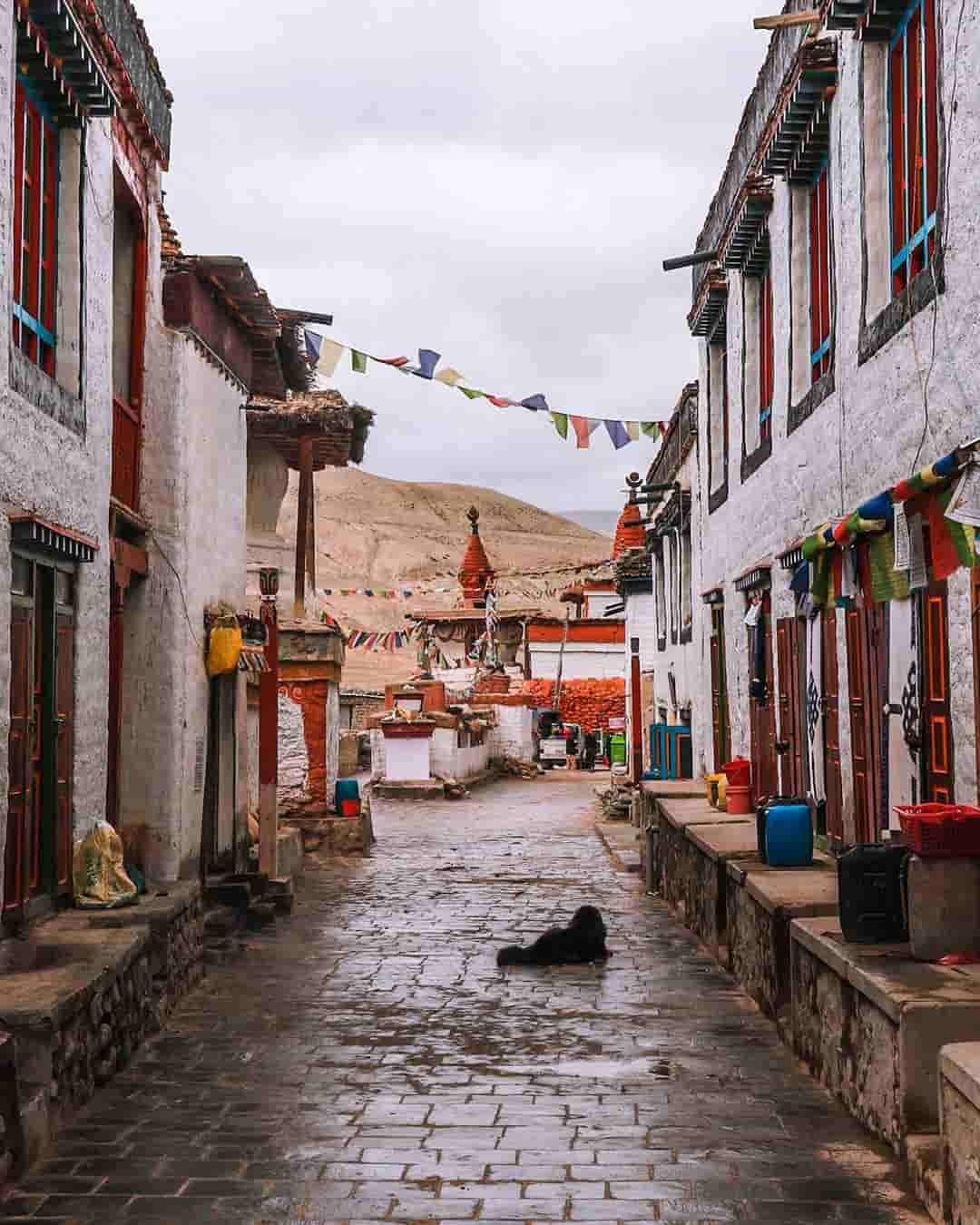
Upper Mustang is a culturally different region from the rest of Nepal. The residents are Tibetan Buddhist, and their customs, language and architecture are quite similar to those of Tibet. Monasteries, prayer wheels and chortens are a part of everyday life; festivals like Tiji, are significant in the community.
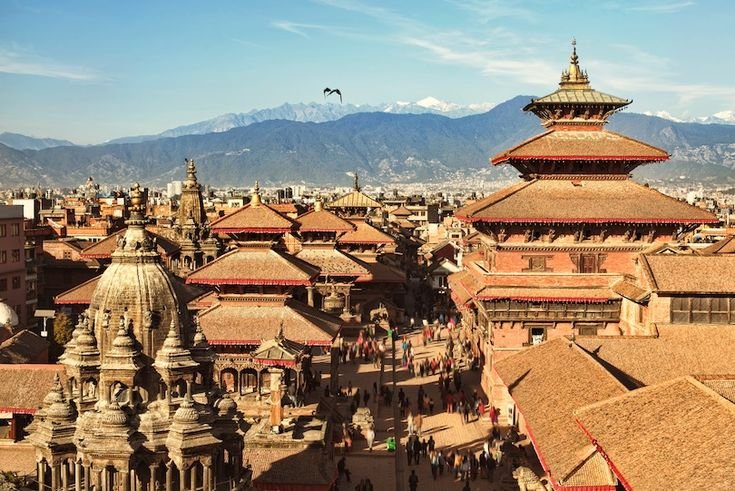
Lo Manthang is a walled city, a symbol of this heritage. Within its old walls, there are royal palaces, centuries-old monasteries, and a culture that still flourishes in the face of modernity. The visit to this region is a once in a lifetime chance of experiencing an untouched and authentic Himalayan culture.
Road Journey Experience – Adventure Without Trekking
The tour is different from the traditional trekking routes as it offers the opportunity to explore the Upper Mustang by road, which makes it accessible to a wider range of travelers. But it's not a walk in the park. The roads (particularly beyond Jomsom) are rough and frequently unpaved, necessitating a 4WD vehicle and a competent driver.
It is a drive through narrow mountain roads, river crossings, and ever-changing scenery, making for an adventure. It's not as physically demanding as trekking, but the isolation and hours on the road come with its own set of challenges and excitement.
Considerations for Altitude
Although a roadless tour, the altitude is a critical element. Above 3,000 m the air is less dense and you will need time to acclimatize. The routes are planned to gradually climb up but one has to pay attention to fluid intake, proper nutrition and avoiding haste.
Basic facilities in remote areas should also be expected when traveling. Hot water, electricity and Internet access may be limited (particularly in Upper Mustang). These circumstances are a way of life and make the entire experience more fun.
Best Time to Visit Upper Mustang
The monsoon season is one of the best times of the year to visit Upper Mustang. Most regions of Nepal get abundant rainfall but Mustang is comparatively arid being in the rain shadow. This makes it a great destination during the late spring/early fall.
Spring and autumn provide the best clear skies and best temperatures; summer provides an opportunity to visit Mustang when other parts of the world have less desirable conditions. But winter times can be challenging, with cold weather and reduced accessibility.
Why Choose the Upper Mustang Road Tour
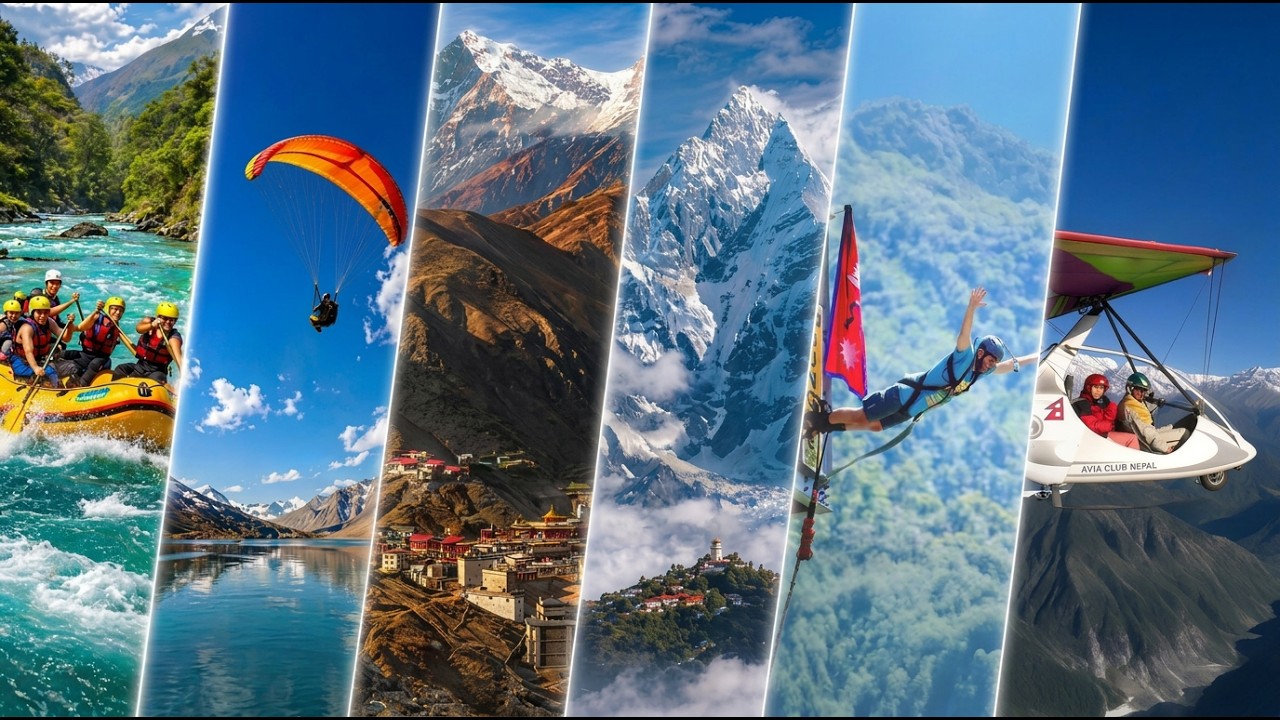
The Upper Mustang road tour is perfect for those who want to explore the Himalayas without having to trek for a long day. It's a mix of culture, nature, and adventure at high altitudes within a relatively short period of time.
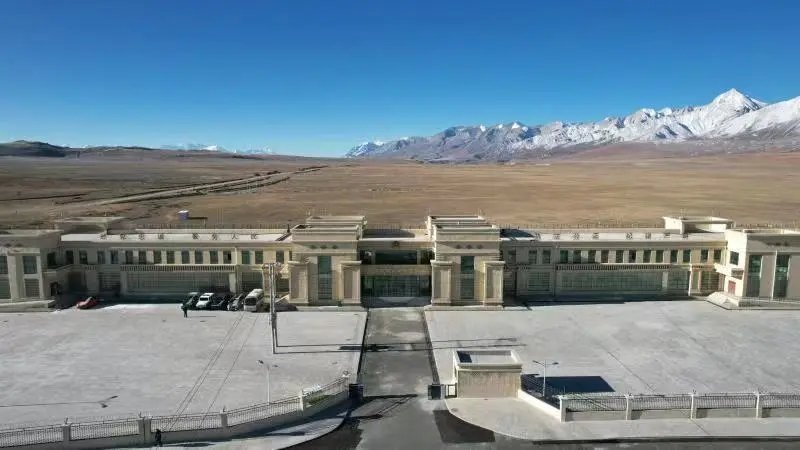
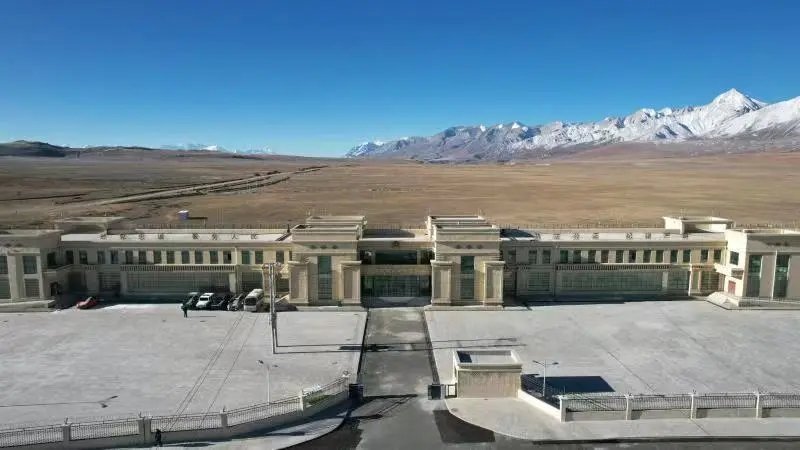
This trek is a spiritual, historical and natural experience, ranging from sacred pilgrimage locations such as Muktinath to the more distant regions of the Korala Border. It's ideal for individuals who are looking for a more profound and memorable journey, as opposed to a more touristy one.