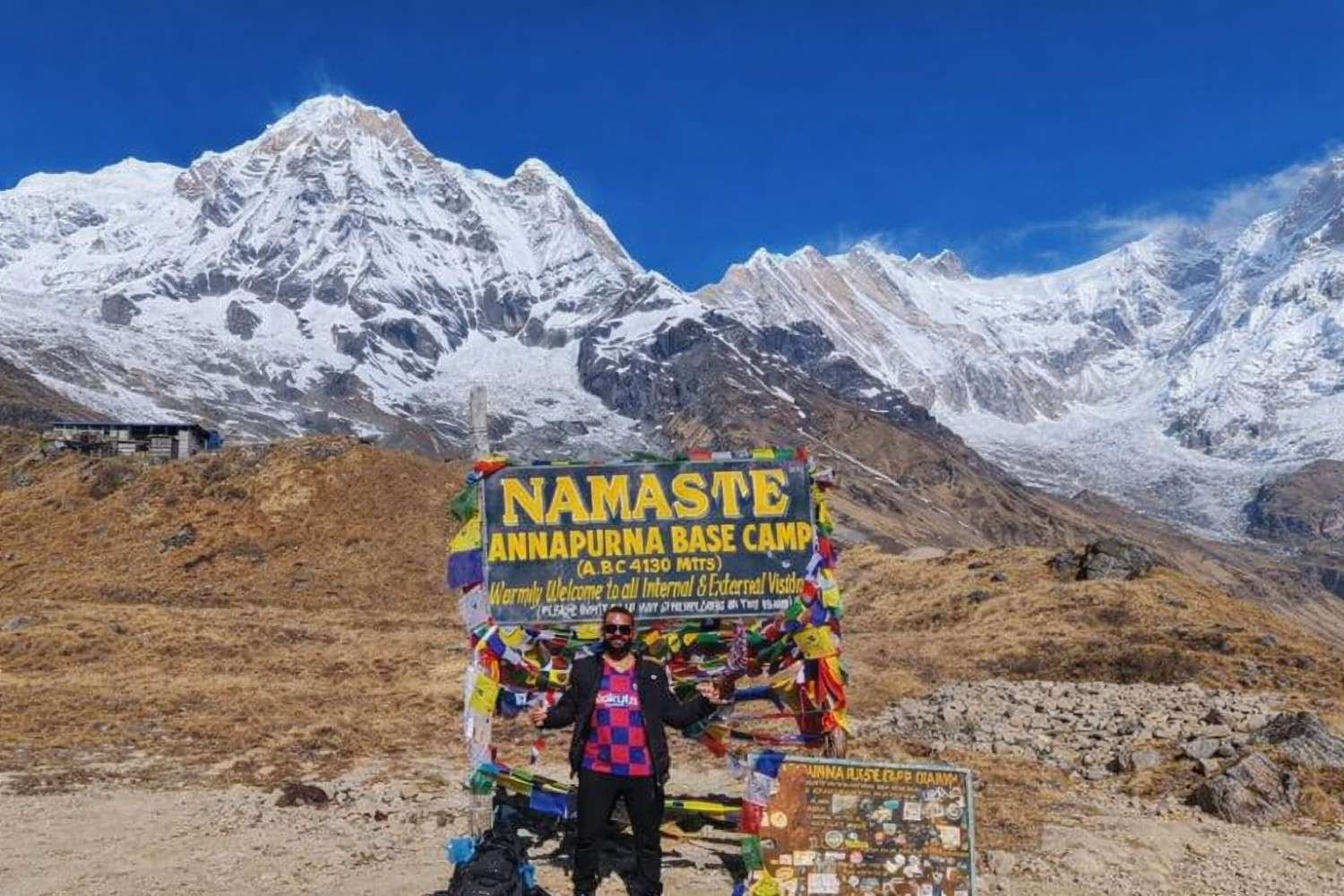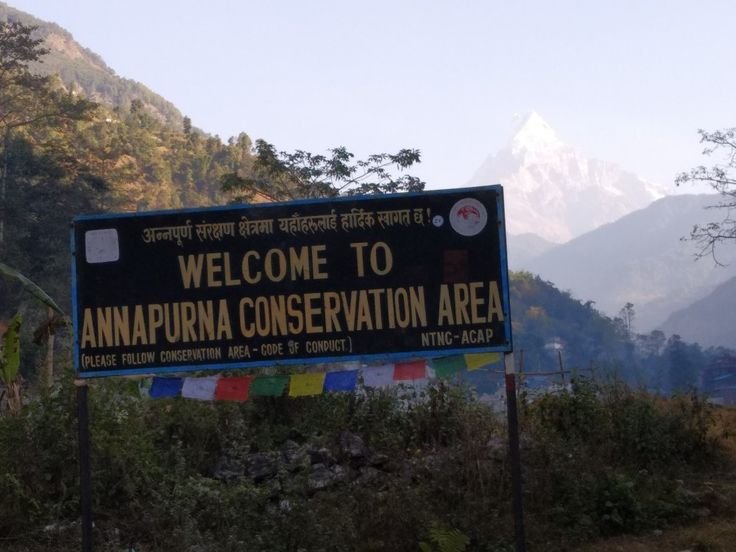
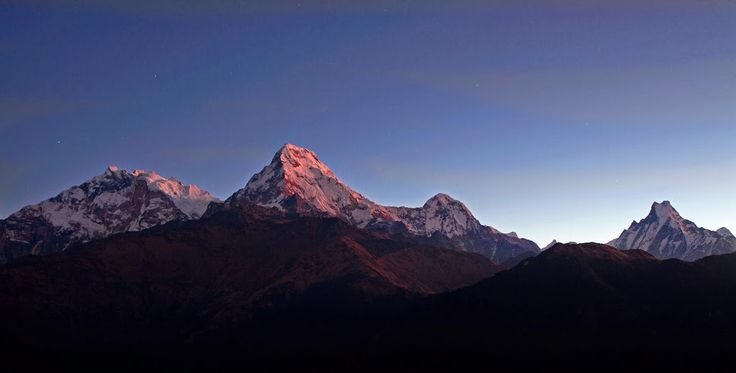
Starting the Annapurna Circuit Trek and the Poon Hill Trek
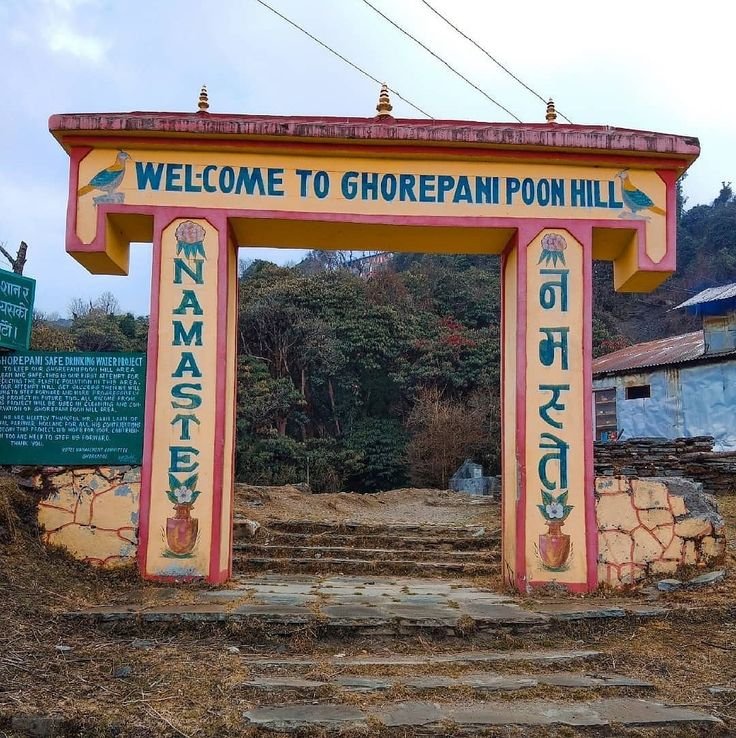
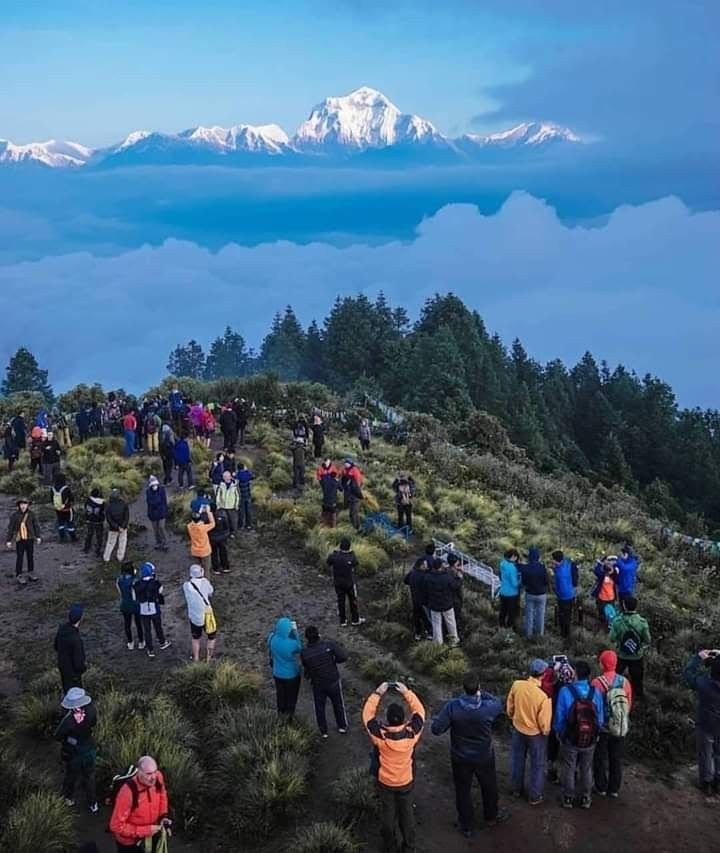
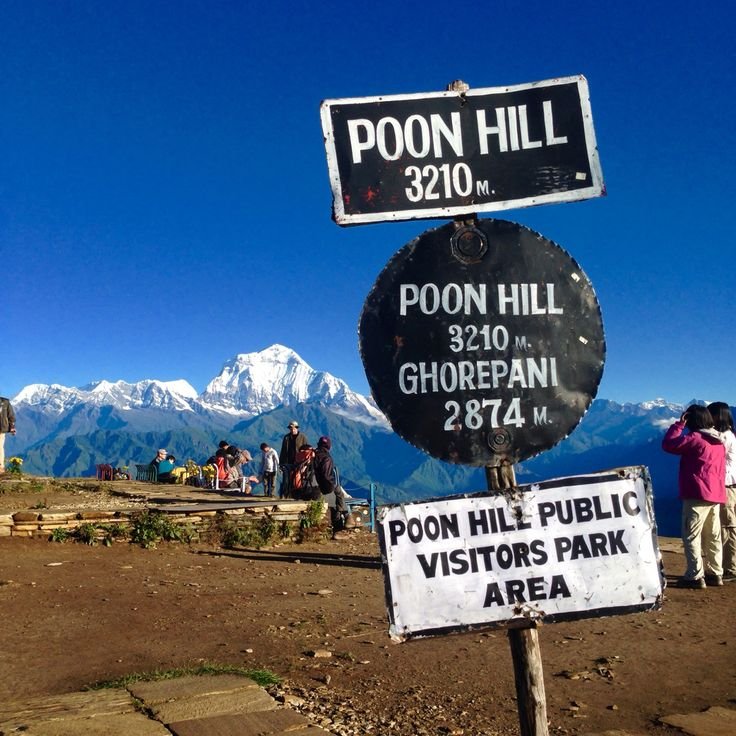
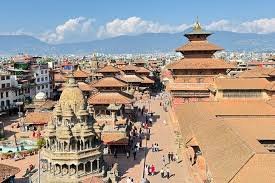
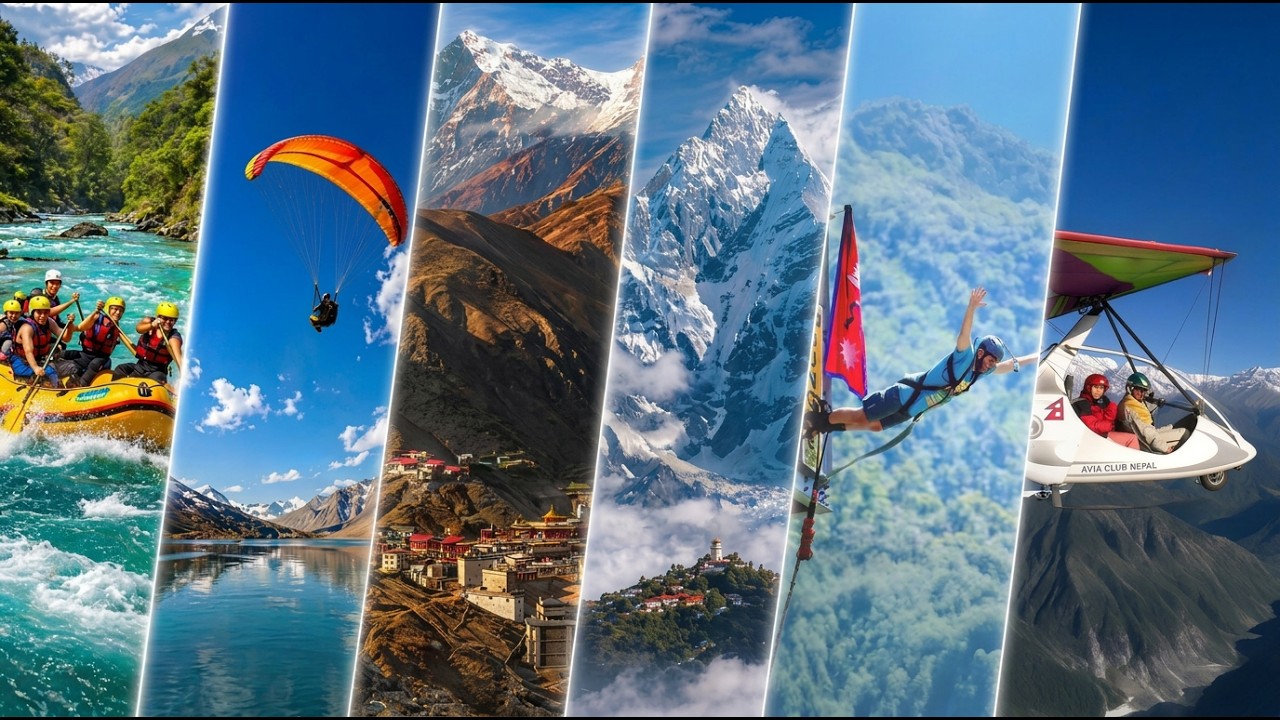
The Annapurna Circuit and Ghorepani Poon Hill trek is considered as one of the most diversified and complete trekking routes in the Himalayas. It is not a route that goes from one place to another, but one that speaks of the evolution of landscapes, cultures and elevation over time. The journey starts from Kathmandu and winds through the valley of the Marsyangdi, gradually climbing to the high altitude area of Manang, passes through the formidable Thorong La Pass and then plunges down into the culturally rich area of Mustang. With the addition of Tilicho Lake and the sunrise viewpoint at Poon Hill, this is a truly all-encompassing Himalayan adventure.
There's something about this trek that is so special because of the changes and the contrast; there's lush forests, there's barren highlands, there's the Hindu villages and there's the Tibetan Buddhist villages and there's humid valleys and there's freezing out highlands. It's a trip that tests the body and mind to the limit, and seeing some of the most spectacular landscapes on Earth is certainly a great reward.
Route Overview and Experience
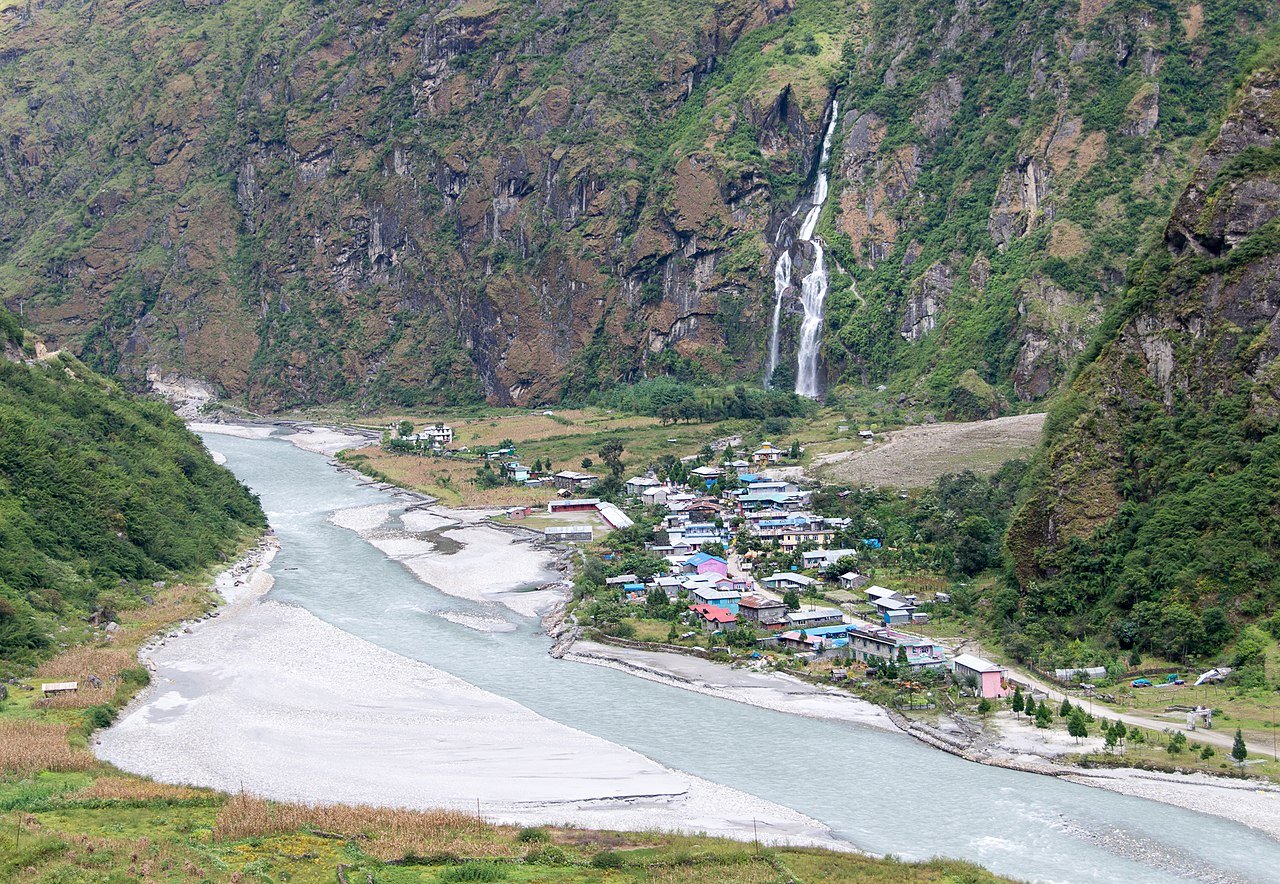
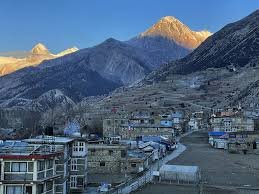
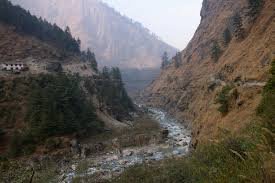
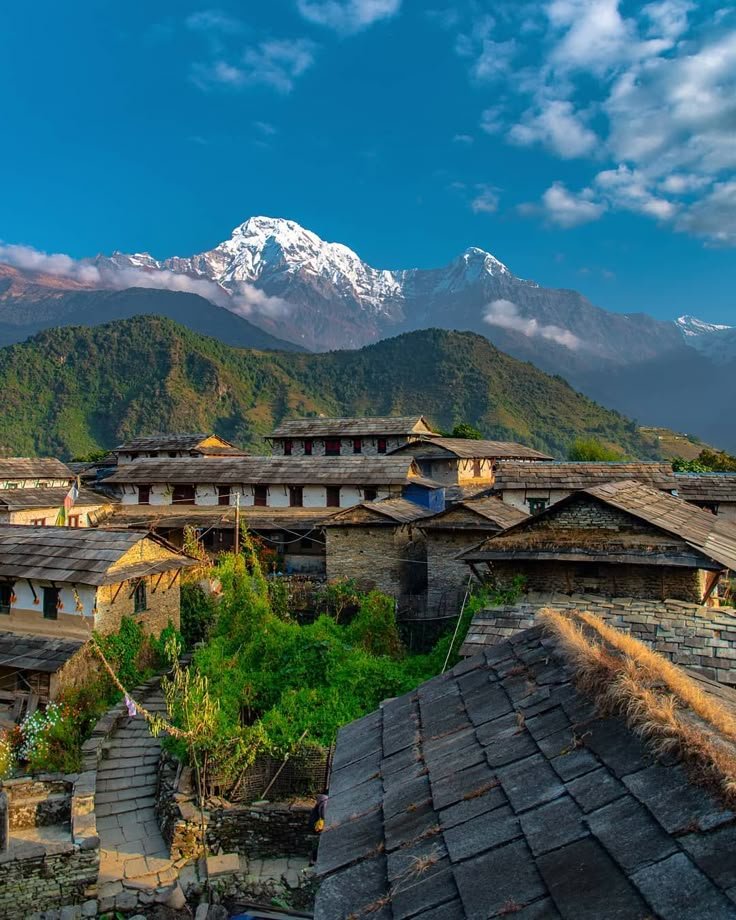
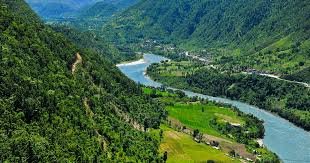
The hike takes a slow and steady pace to allow trekkers to acclimatize, while ensuring a wide variety of scenery. Early days are spent in terraced farmlands and subtropical forests, waterfalls tumble down steep hillsides and suspension bridges span the distances to distant settlements. Past Chame and Pisang, the landscape starts to change markedly, with broad valleys offering spectacular views of the Annapurna range.
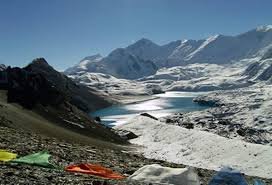
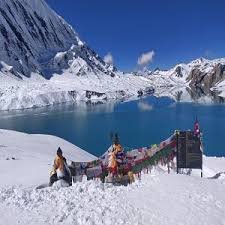
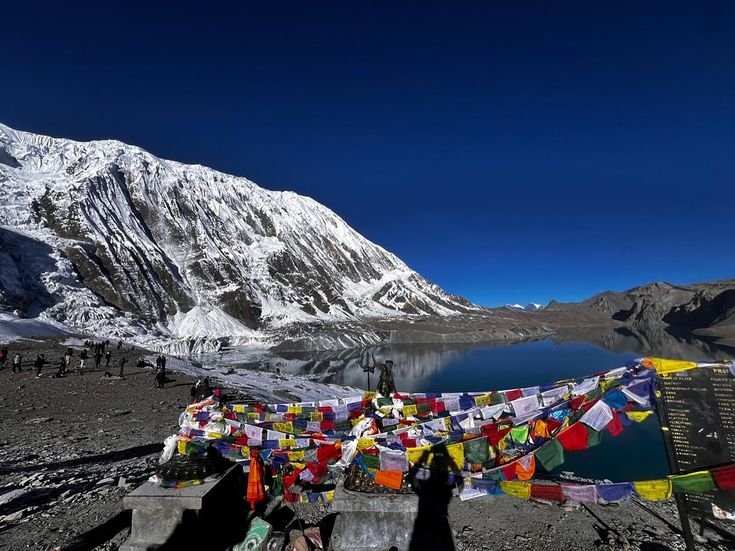
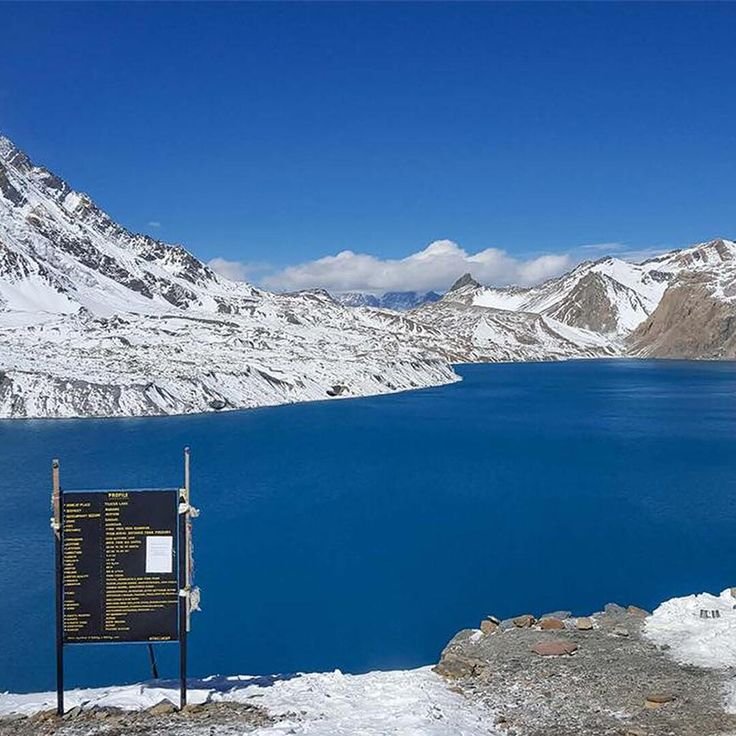
Manang is the turning point in the journey both physically and geographically. The air is less dense, the plants are fewer and the flow is slower. The hike then takes a detour to Tilicho Base Camp, featuring rougher terrain and more remote settings, along with a backdrop of dramatic mountains. From the viewpoint of Tilicho Lake, which is surrounded by high mountains and glaciers, the experience seems like you were in another world.
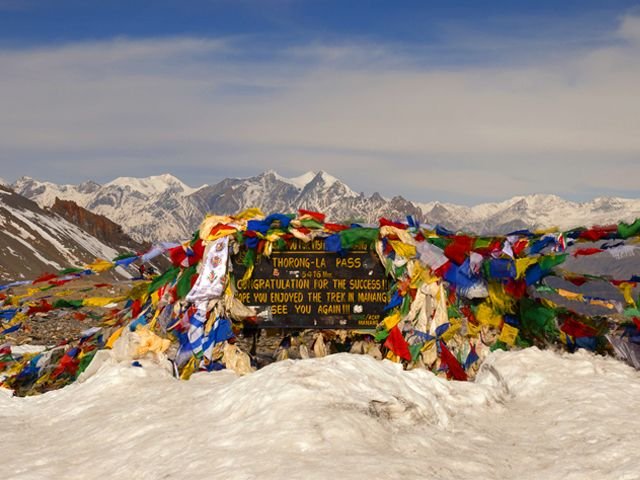
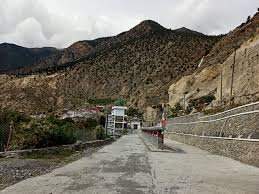
The highlight of the walk is the crossing of Thorong La Pass. Before dawn, the trek begins, and after a few hours, it takes place in cold weather and with the aid of headlamps and perseverance. There is happiness upon the pass itself and the view of the Himalayas in both the Annapurna and the Dhaulagiri range is breathtaking. The journey into Mustang opens onto a harsh, desert landscape that has been influenced for a thousand years by trade across the Himalayas.
Explore the Cultural Diversity and Local Life
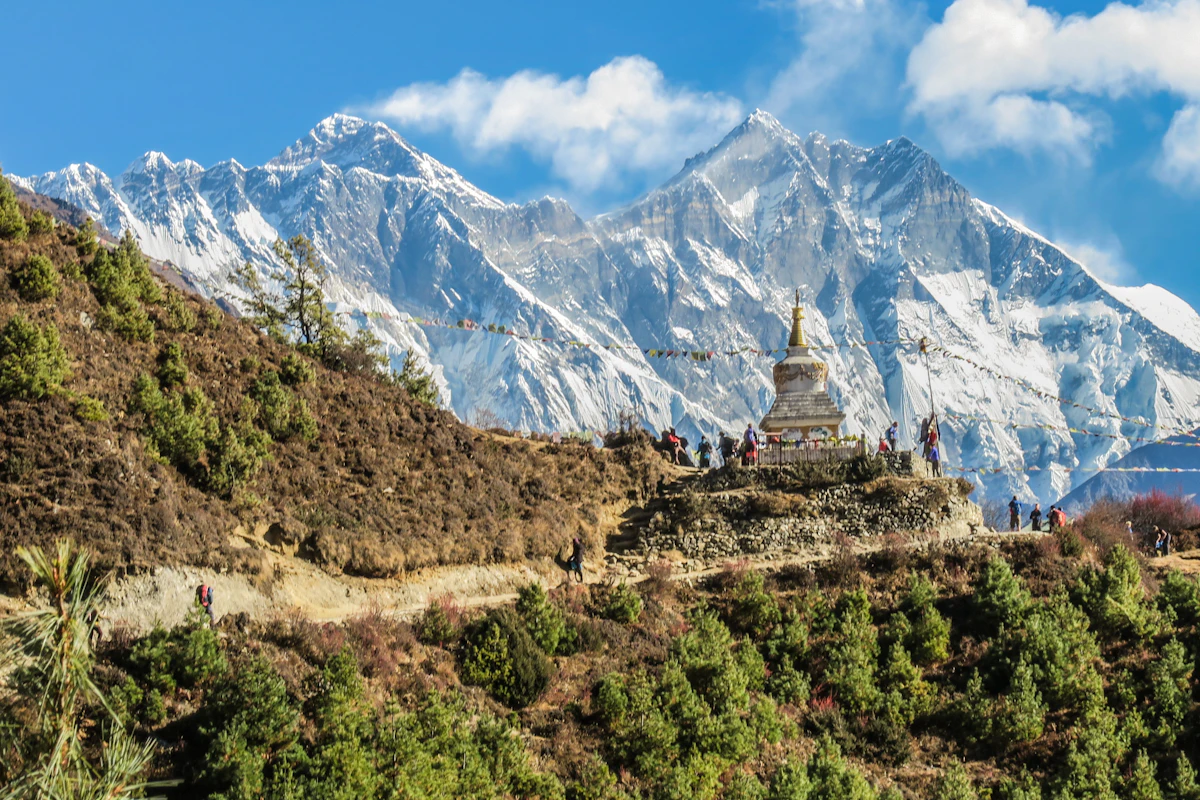
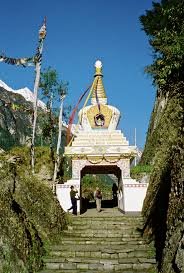
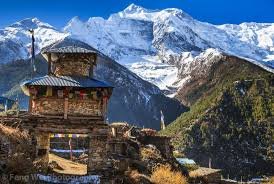
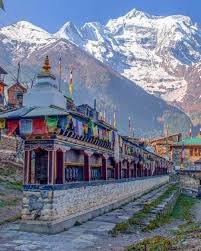
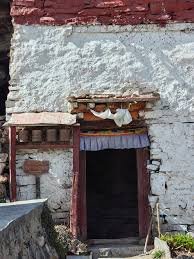
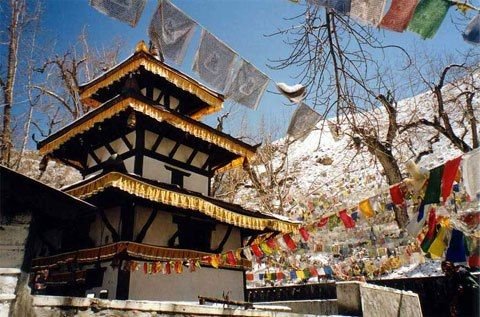
This is one of the most enriching parts of this trek are the diverse cultures that can be seen throughout the path. The villages in the lower areas are more Hindu in character and are mostly under the influence of Hindu traditions with terraced farming and traditional Nepali life style. The cultural influences change as you head up to Manang and onwards with Tibetan Buddhism being adopted, as seen in the monasteries, prayer flags, chortens and mani walls.
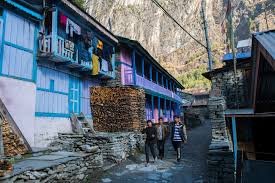
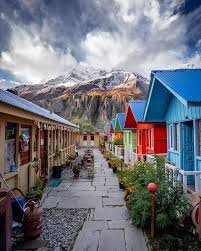
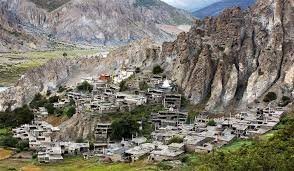
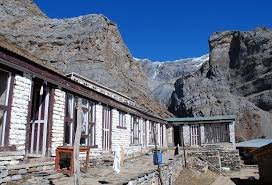
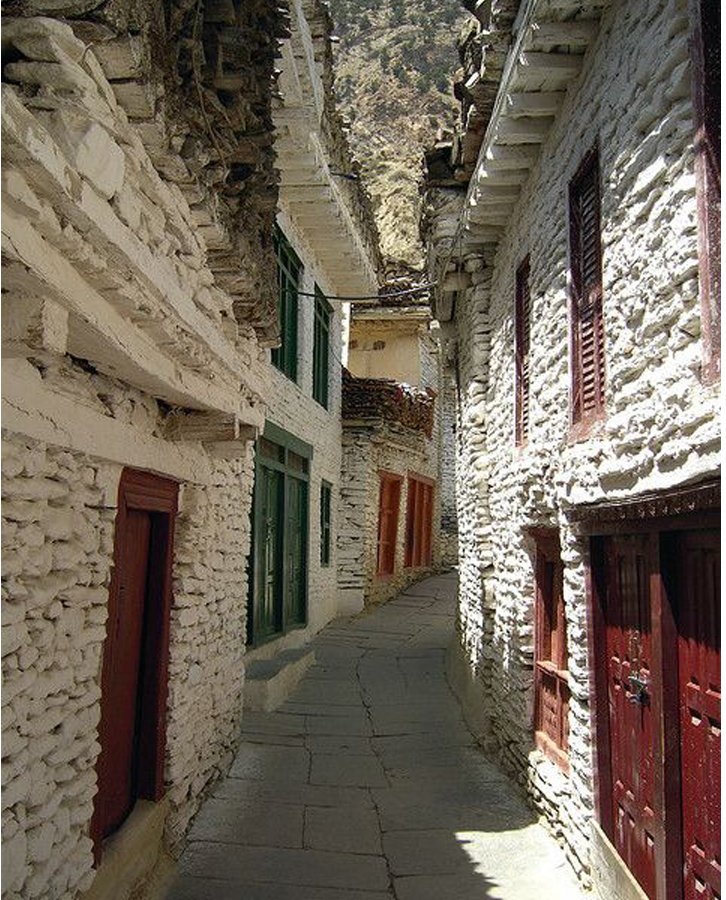
It is in the villages, such as Manang, Kagbeni and Marpha, that one may learn a village life that has lived in hard conditions for generations. For instance, in Marpha there are well-organized stone houses, narrow lanes and robust hosts and traditions of Thakali people, who are known for their hospitality and cuisine. The region’s apple orchards and locally produced products add a unique flavor to the trekking experience.
The local people, whom you interact with, whether in a teahouse or along the trail, offer a more in-depth look at the Himalayan lifestyle, which is simple and frugal, yet strength and resilient, deeply rooted in nature and tradition.
Acclimatization and Safety
The one thing that matters the most on this trek is the altitude. The danger of altitude sickness rises rapidly as you get higher than 3,000 m. The program includes an acclimatisation day in Manang, a key day to help acclimatise your body to the lower oxygen levels.
It is recommended that trekkers ascend slowly, drink plenty of water and avoid over exertion. It's important to be aware of the early signs of altitude sickness, including headache, nausea or dizziness. When it comes to severe cases, the only answer is immediate descent. The key to a successful trek is proper acclimatization.
Thorong La Pass crossing should be taken care. Weather can turn bad in a flash and temperatures can plummet below freezing. Passing early in the morning will allow avoiding strong winds and thus safer crossing.
Best Time to Trek
The season you select can make a big difference to your experience. Fall (October-November) and spring (March-May) are the most popular times. Fall weather is clear, stable, and has great views in the mountains, making it a great time to photograph and hike in the mountains. The spring season is characterized by warmer weather, and the beauty of the rhododendron forests, particularly in the lower reaches of Ghorepani.
Trekking is also possible in the winter, but it is difficult with plenty of snow and very cold conditions, especially on Thorong La Pass which may be closed. During the monsoon season, however, it rains, muddy trails, and there is the possibility of landslides; but because of its rain shadow environment the Mustang area is relatively dry.
Food and Accommodation
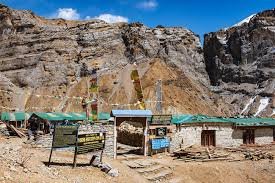
Throughout the trek, accommodation is in teahouses, or local family-run simple lodges. Simple, they offer the basic comforts: a bed, food, and a warm dining area. The higher the elevation, the fewer facilities are available and hot showers and WiFi may have to be paid for.
A wide variety of foods are available – from classic dal bhat to noodles and soups to pancakes or pasta in certain places. The most popular is dal bhat as it is nutritious and can be consumed for as long as you wish, which is perfect for maintaining energy during long days of trekking.
Although it is very simple, it is very enjoyable to spend the evening with other trekkers and the warmth of hospitality makes it a very memorable time.
Physical Preparation and Fitness
This trek demands a good level of physical fitness. This involves walking in irregular terrain for 5-8 hours a day and frequently at high altitudes, which demands stamina, strength and mental stamina. This should ideally be done weeks or months before, with emphasis on cardiovascular fitness, leg strength and stamina.
Carrying your backpack, doing uphill hikes and sticking to a regular exercise schedule can make your trekking experience much easier. Getting physically fit will not only make the trip more comfortable, but will also enable you to see the sights and learn more about the culture without being constantly fatigued.