
Introduction
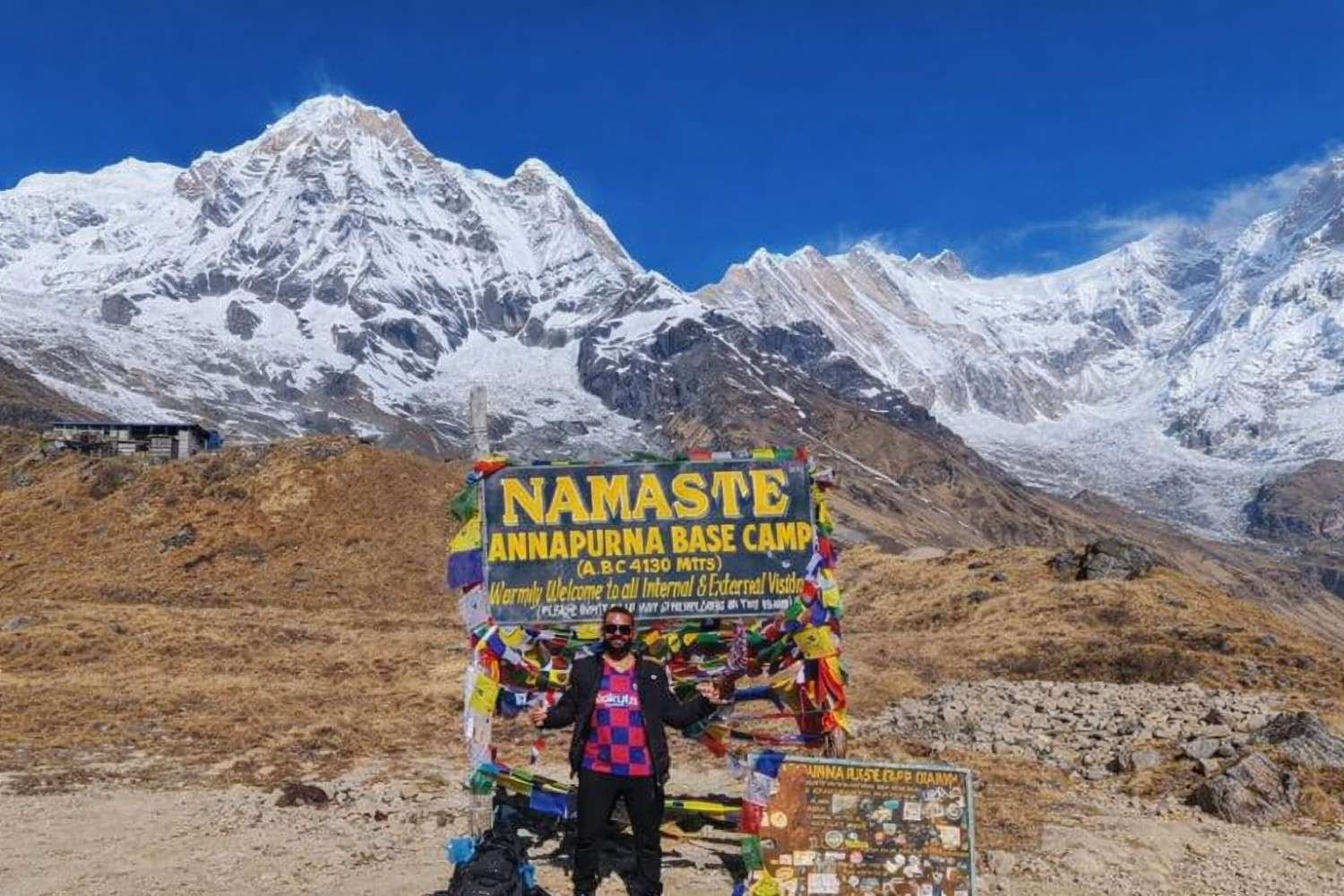
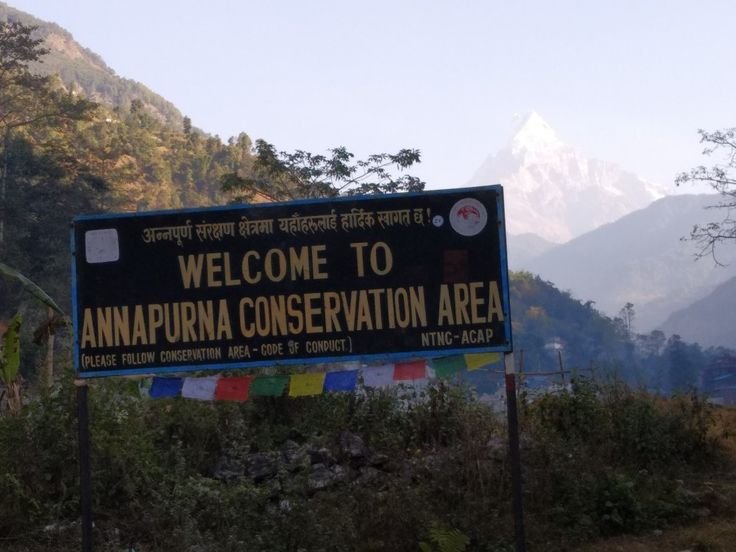
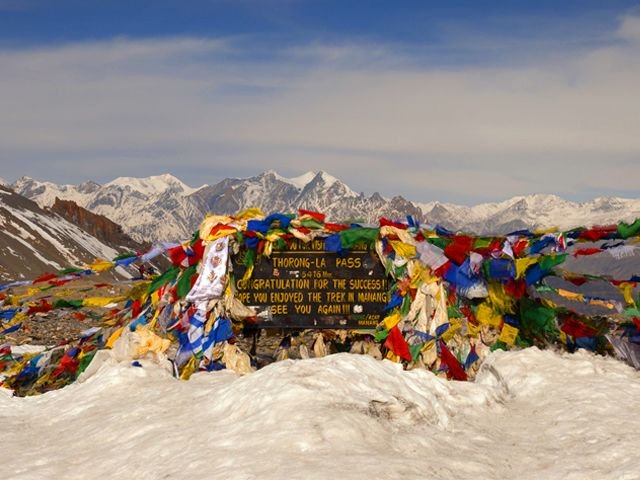
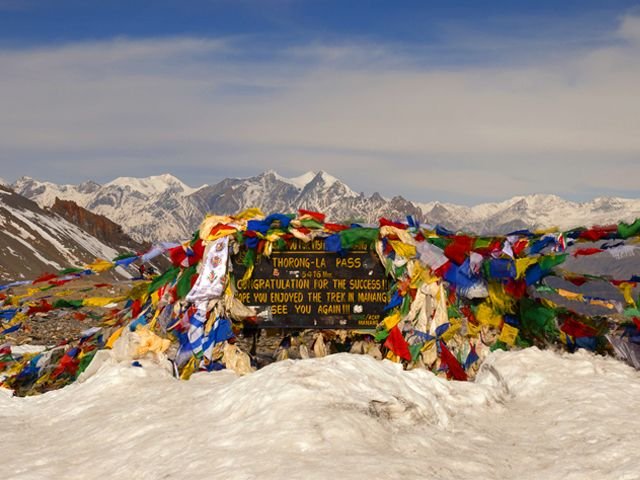
The Annapurna Circuit Trek is among the most renowned long distance trekking routes in the world with an incredible variety of landscapes, altitude and culture. This 12 day version is a complete circuit experience which takes you around the Annapurna massif, starting with low river valleys and reaching the extreme high-altitude environment of Thorong La Pass at 5,416 meters.
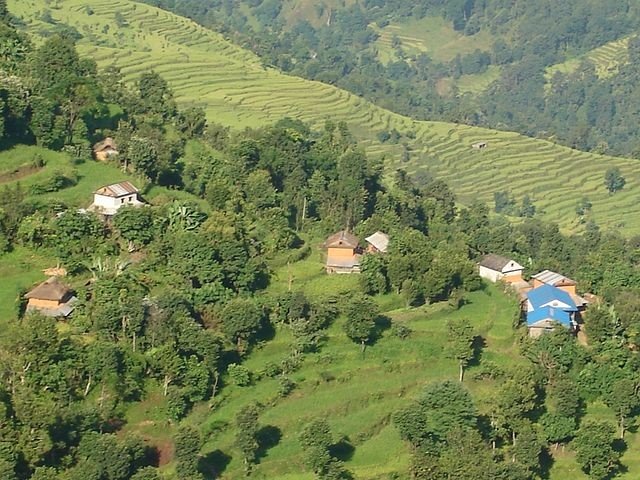
This circuit, unlike shorter walks, which specialize in one object, is a series of walking through a whole mountain district. It enables the trekkers to have dramatic changes in the geography, within a single itinerary; subtropical forest and rice terraces to alpine valleys and cold desert landscapes.
What is so Special about the Annapurna Circuit?
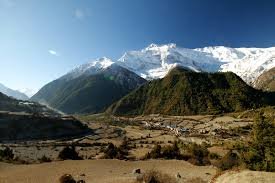
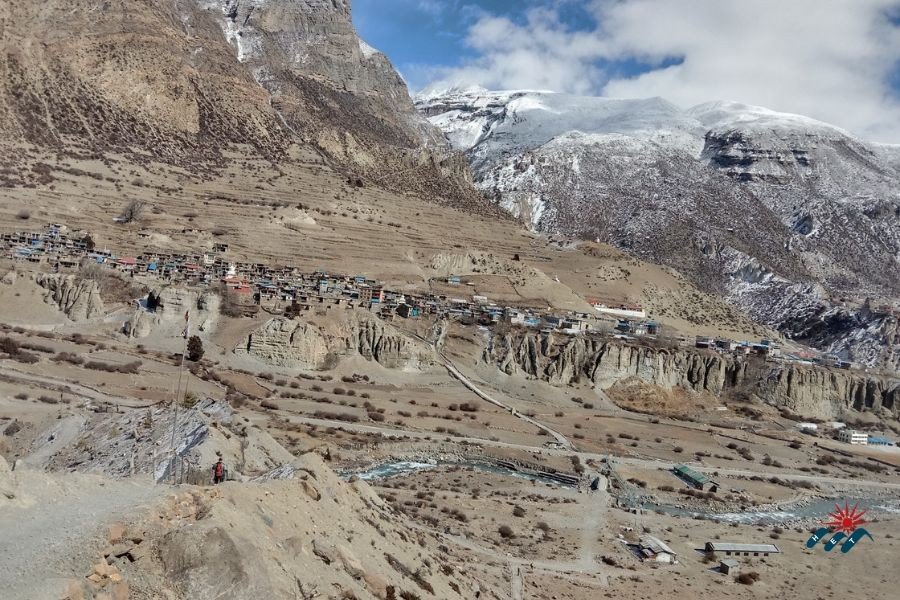
The main uniqueness of this trek is its variety. The sections are totally different to the prior one. The lower part is green and agricultural and the upper part becomes dry and windy and Himalaya desert-like.
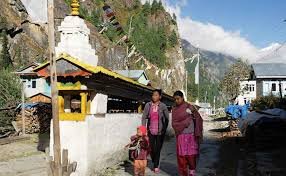
The other attraction is the cultural diversity. You cross the Hindu villages of the lower part and slowly enter the Tibetan influenced Buddhist villages of Manang and Upper Mustang. This changing of culture is as wonderful as the mountains themselves.
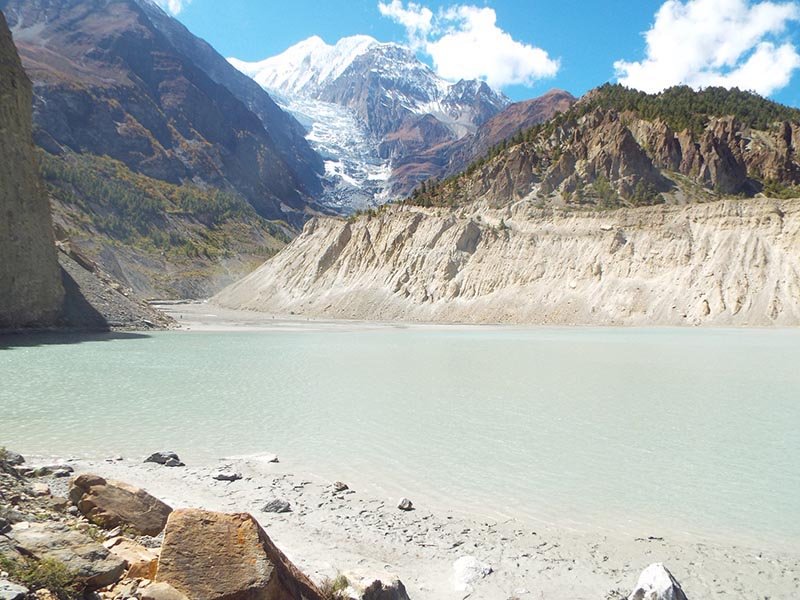
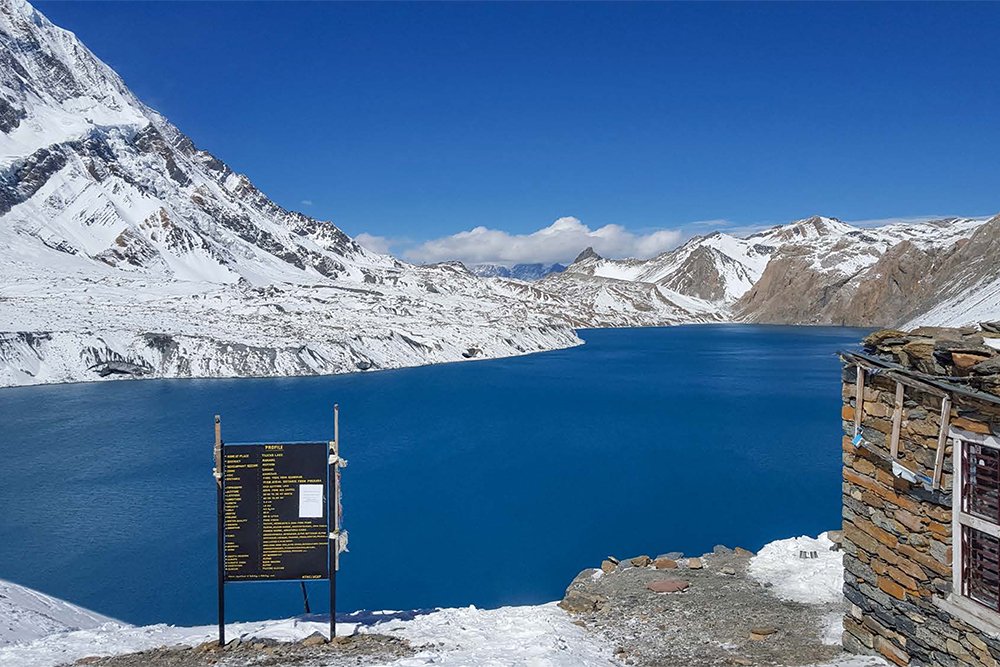
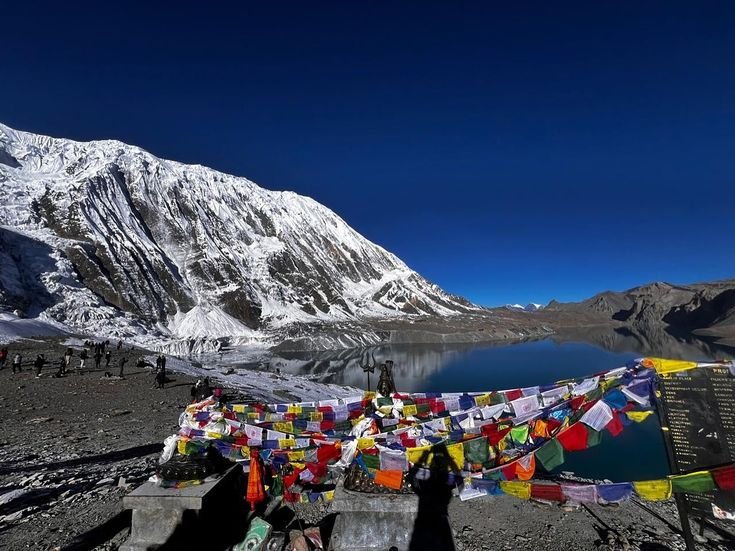
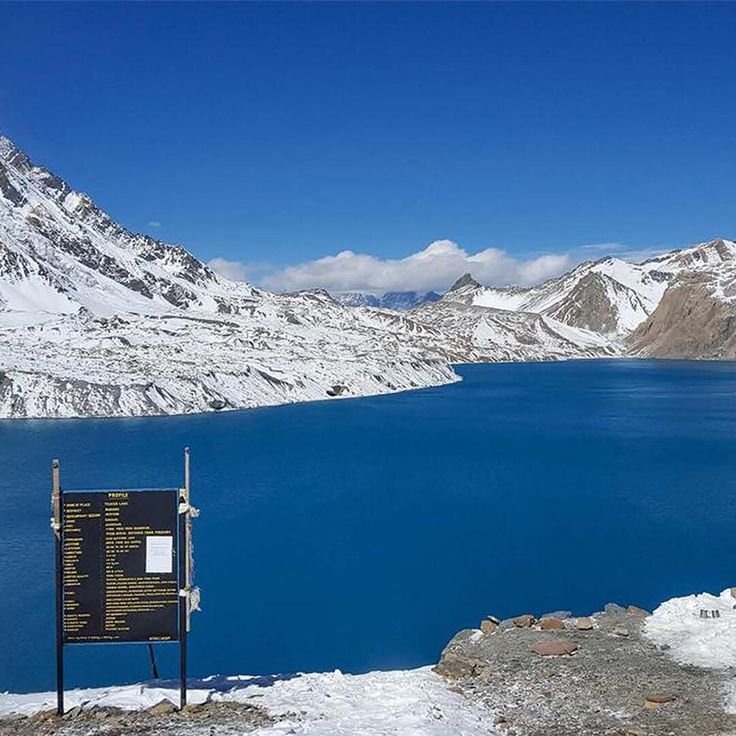
It is even more potent with the addition of Tilicho Lake and Thorong La Pass, which makes the route a complete one; the combination of natural beauty and high-altitude adventure.
Routes and Geography Overview
The expedition starts by driving Kathmandu to the Annapurna area slowly moving to deeper valleys along the Marsyangdi River. The line flows across Tal, Chame, Pisang and Manang, and turns off to Tilicho Lake and then back onto the main line.
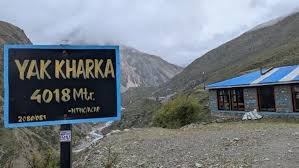
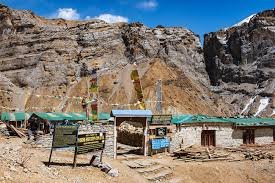
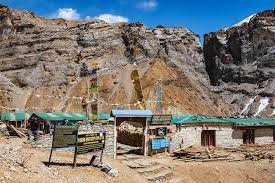
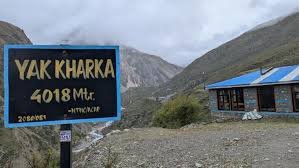
The scenery, which up to Manang is dry and alpine, is more dry and alpine. The trail then ascends to Thorong La Pass, the highest point of the trek, after Yak Kharka and Thorong Phedi. Once the pass is crossed, the trail descends sharply into the Mustang area, and ends at Muktinath and then returns to Pokhara and Kathmandu.
Altitude and Acclimatization
The most significant in the Annapurna Circuit Trek is altitude. The path in which the body would naturally adapt gradually increases in height. The part above 3,500 meters, however, needs to be carefully acclimatized.
In this itinerary, Manang is the major acclimatization point. In this case, trekkers take an additional day to help the body to acclimatize before proceeding to higher altitudes. This greatly helps in minimizing the chances of altitude sickness.
Such symptoms as a headache, nausea, and fatigue cannot be overlooked. The most correct way is to go very slowly, take as much water as you can in you, and do not overstrain.
Physical Challenges and Preparation
This hike is said to be medium to challenging, primarily because of its length and elevation gain. The number of hours per day of walking is between 6-8 hours usually on rough and steep surfaces.
It is strongly advisable to prepare before embarking on the trek. Endurance can be greatly enhanced by regular walking, jogging, climbing stairs and cardio training. Mental training is also necessary, because there are days of long trekking, where patience and consistency are needed.
Weather and Best Season
The best time to do the Annapurna Circuit Trek is during autumn (September–November) and spring (March–May).
The autumn is an excellent season to view the mountain clearly due to clear weather and good visibility of the mountain. The springtime is warmer and the rhododendron forests are in blossom.
During the winter, it can be trekked but it is very cold at high altitude. The monsoon season should not be attempted because of the landslides, rain, and poor visibility.
Food and Accommodation
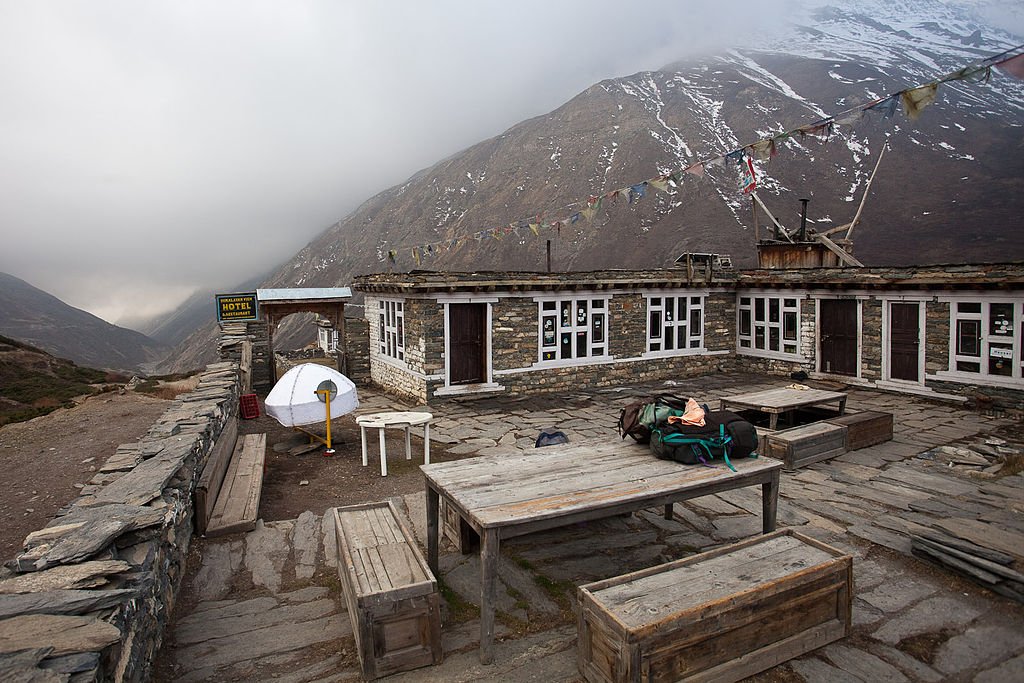
Along the trail, accommodation is in teahouses, these are simple lodging houses in the mountain run by the local families. Basic, yet comfortable, rooms typically have twin beds and shared bathrooms.
Food is freshly cooked and consists of dal bhat (traditional Nepali meal), noodles, fried rice, soups, eggs, potatoes, and tea/coffee. Menu variety and variety decrease with the altitude, yet meals are adequate to meet the energy requirements during trekking.
Cultural Experience
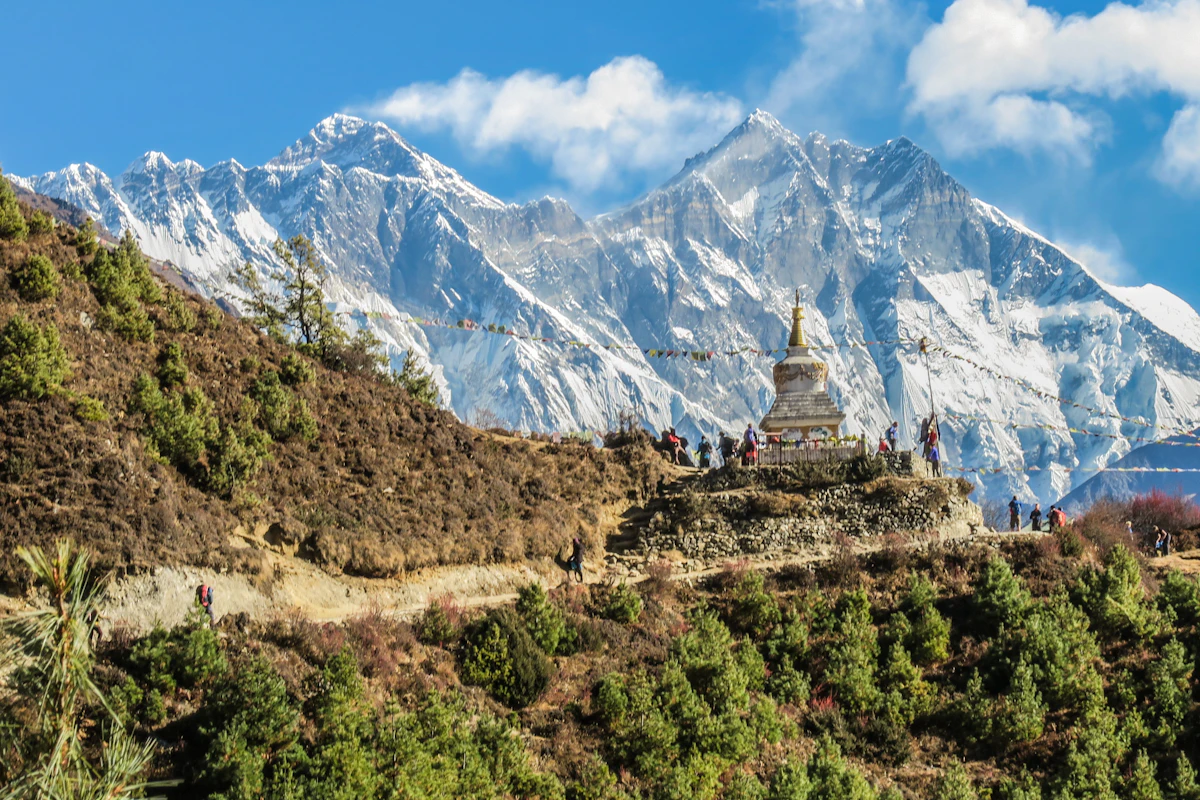
The Annapurna Circuit is not only a trekking trail but also a cultural trail. The lower areas are under the influence of Hindu traditions whereas upper areas are under the influence of Tibetan Buddhist culture.
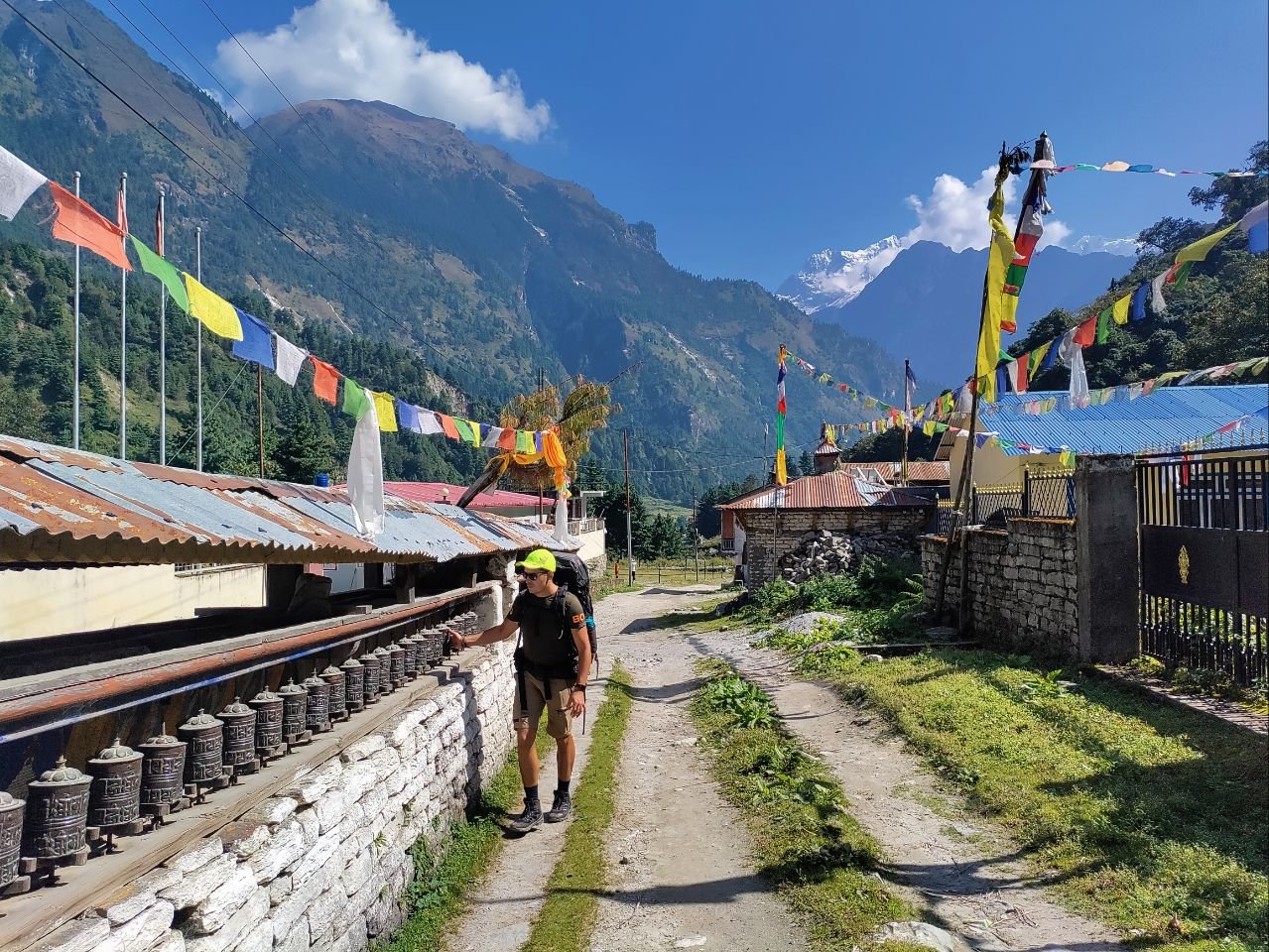
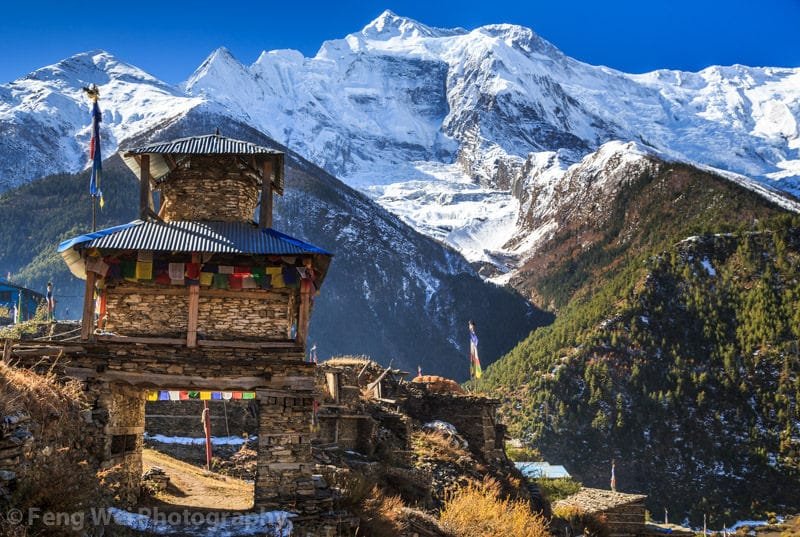
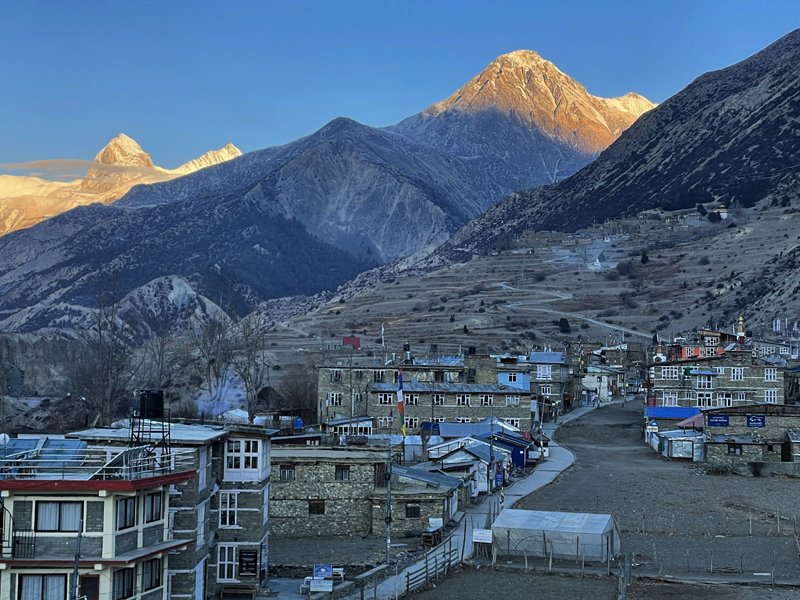
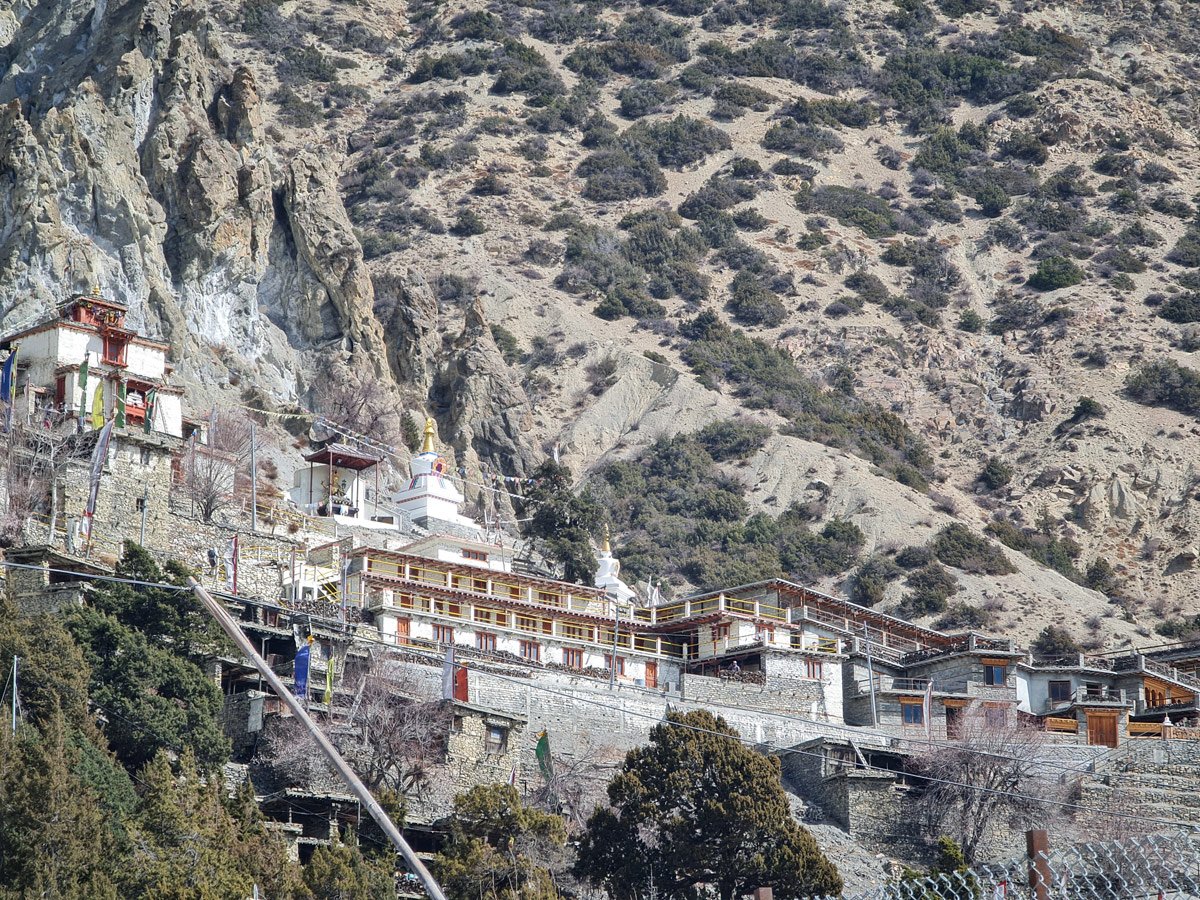
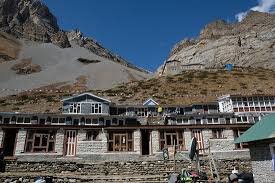
The villages such as Manang exhibit prayer wheels, monasteries, and the traditional stone houses. The locals are open, welcoming and can help you understand the life of the mountains, their agriculture and how they survive in unfriendly conditions.
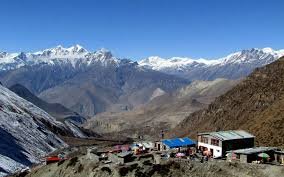
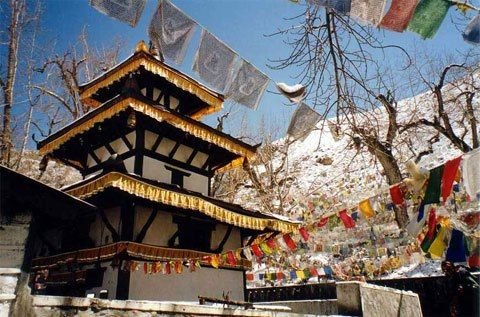
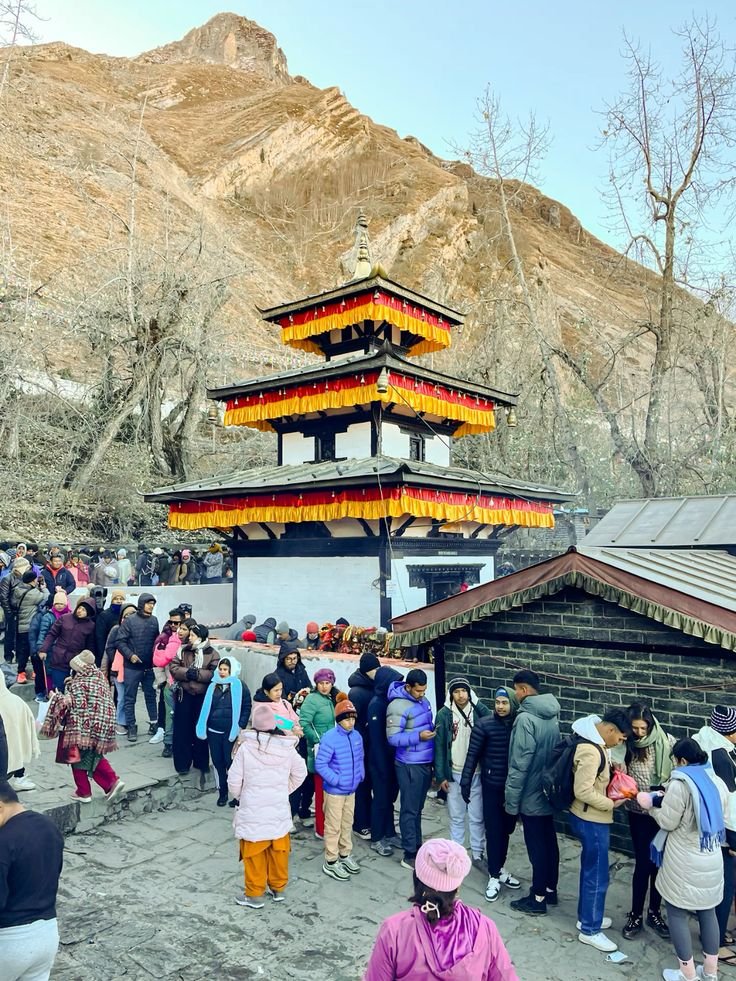
One of the biggest cultural attraction sites is Muktinath, the sacred pilgrimage site of the Hindus and Buddhists, which has got spiritual significance and natural water springs.